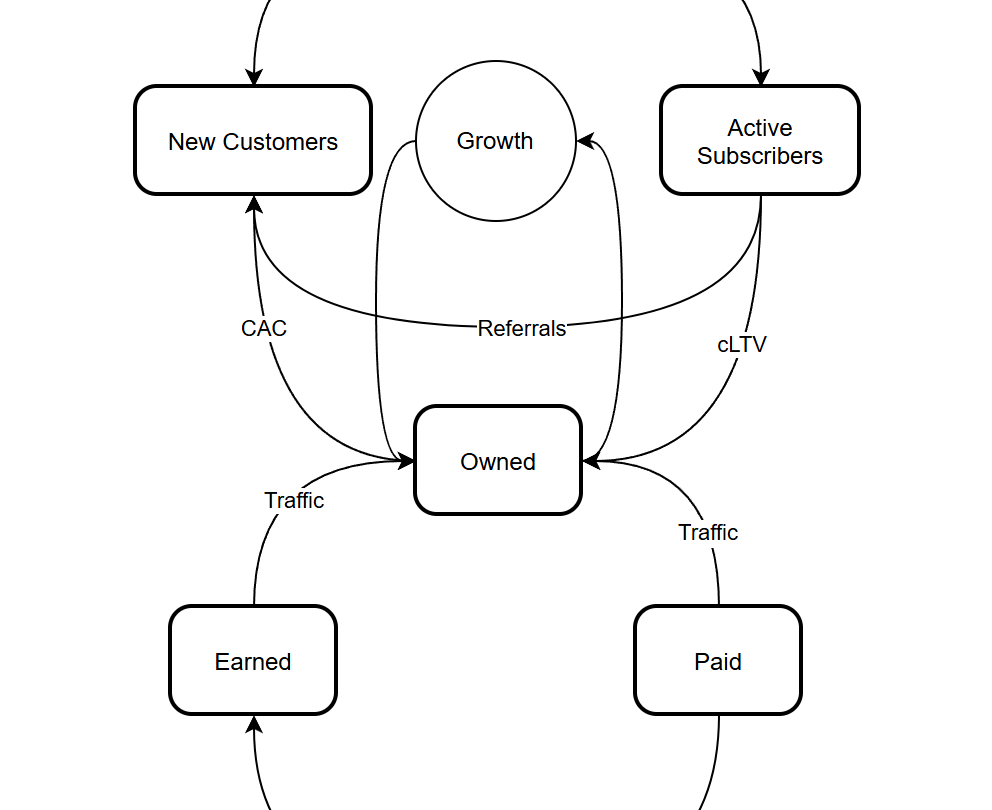
In today’s fast-paced, customer-centric world, Product-Led Growth (PLG) isn’t just a buzzword. It’s a movement. PLG is all about putting the product at the heart of your business strategy, allowing it to drive customer acquisition, retention, and expansion. But here’s the kicker: PLG isn’t just for product teams anymore. It’s time to democratize PLG and make it a mindset for every functional group.
What is PLG?
PLG is a go-to-market strategy that relies on the product itself as the primary driver of growth. Instead of relying solely on sales teams or marketing campaigns, the product sells itself by delivering immediate value to users. Think of tools like Slack, Notion, or Canva. They’re so intuitive and valuable that users can’t help but spread the word.
Why PLG Should Be in Every Functional Group
- Marketing: Marketing teams should focus on creating product-driven campaigns. Instead of just talking about features, show how the product solves real problems. Use free trials, freemium models, and interactive demos to let the product speak for itself.
- Sales: Sales teams should shift from pushing the product to guiding users to discover its value. Think of sales as product educators who help users unlock the full potential of the product.
- Customer Success: Customer success teams should focus on onboarding and activation. Their goal? Ensure users experience the “aha!” moment as quickly as possible. Happy users equal organic growth.
- Engineering: Engineers should prioritize building intuitive, user-friendly experiences. Every line of code should reflect the product’s mission to deliver value effortlessly.
- Leadership: Leaders should champion the product-first philosophy across the organization. This means aligning goals, metrics, and incentives around the product’s success.
The Baseline Philosophy: Be Product-First
At its core, PLG is about putting the product first. This means every decision should be made with the user in mind, every team should understand how their work impacts the product experience, and every interaction should reinforce the value of the product.
When every functional group embraces this philosophy, the product becomes more than just a tool. It becomes a growth engine that drives the entire business forward.
Key Takeaways
- PLG is not a one-size-fits-all strategy. It requires customization based on your product and market.
- Freemium models and free trials are powerful tools, but they must be backed by a product that delivers real value.
- Metrics like Time-to-Value (TTV) and Product-Qualified Leads (PQLs) are essential for measuring PLG success.
Get the next one by email
Occasional notes on growth, brand and performance. No spam, one click to leave.