Author: cezanne

The Great Cull: Why the Omnicom-IPG Merger is a Margin Play, Not a Creative One

Omnicom Merger

In 2013, when Publicis and Omnicom first attempted their mega-merger, I sat down with AdExchanger and called it the "end of the agency era." My argument then was that these moves were "last ditch efforts" driven by exhausted R&D and a desire for financial efficiencies rather than better work.

Twelve years later, Omnicom has officially closed its $13 billion acquisition of IPG. The press release is stuffed with 2025 buzzwords, claiming the merger will "harness the significant opportunities of generative artificial intelligence" to create "sales leadership".

Don't let the tech jargon fool you. This isn't an innovation play. It is an infrastructure consolidation designed to solve a math problem, not a marketing one.

AI is a Processing Superpower, Not a Creation Superpower

The core justification for this merger is that "scale" is required to feed the AI beast. Omnicom claims the combined entity will accelerate "ideation and creation".

I disagree. We need to distinguish between processing and creation.

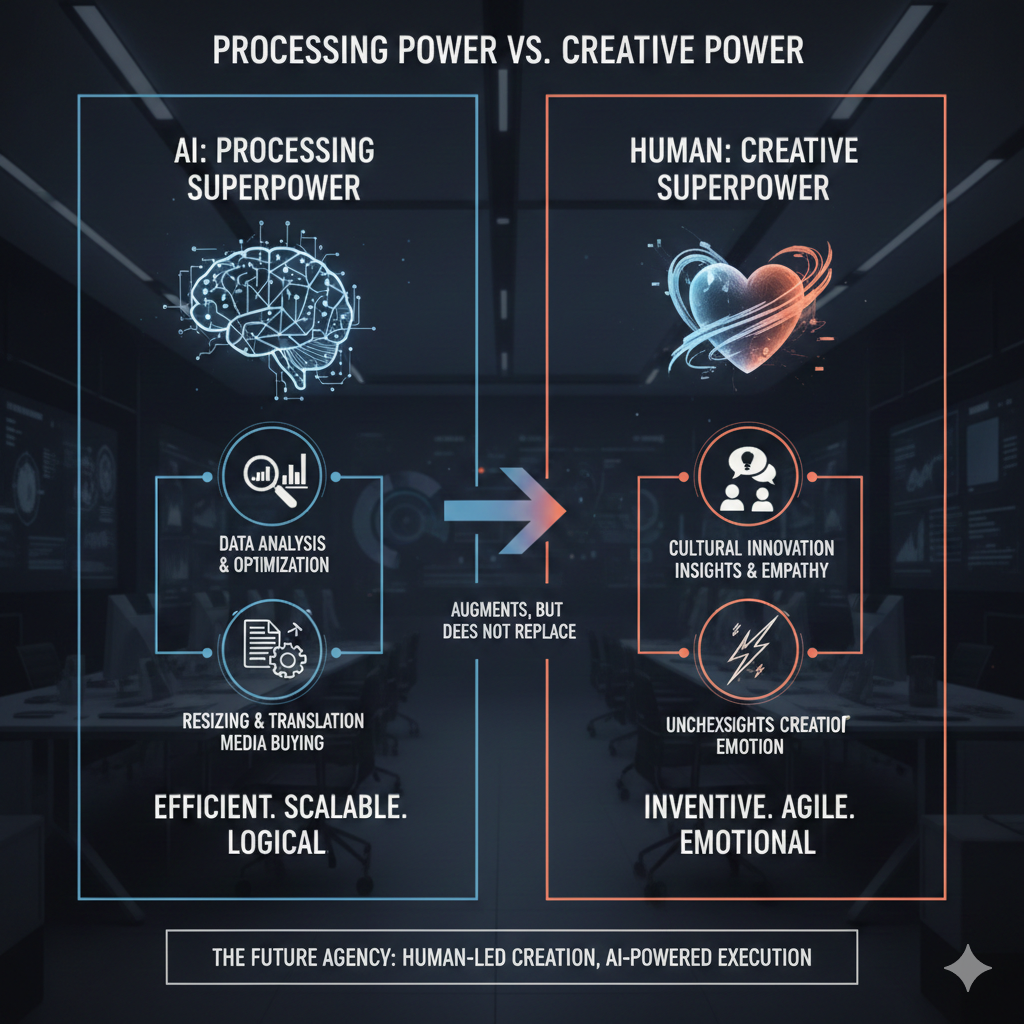
AI is a processing superpower. It can resize assets, translate copy, optimize media spend, and analyze patterns faster than any army of junior associates. But it does not possess the creation superpower required to move culture.

As noted in a recent discussion at ADWEEK House, modern marketing runs on "agility" and "insiders". To resonate with a niche community - whether it’s F1 fans or Android users - you need team members who "speak the language" and can sniff out inauthenticity in a second. You need the human intuition to turn a typo (like Nicki Minaj calling Shopify "Spotify") into a brand win, rather than a PR crisis.

AI can process the recap, but it cannot create the moment. By betting the farm on AI, Omnicom is doubling down on the commoditized middle - the processing layer - while the true value of an agency (creative invention) remains a uniquely human, un-scalable trait.

The Data Fallacy: Renting the Fuel

The second hole in the "AI innovation" narrative is the data itself. To train a proprietary model that offers a true competitive moat, you need proprietary data.

Publicis understood this years ago when they acquired Epsilon and Axciom, effectively buying the fuel for their engine. Omnicom and IPG, by contrast, generally do not own the underlying consumer data in the same way. They are service providers processing client data.

Without a proprietary data lake like Axciom, the "scale" Omnicom just bought is simply a larger volume of rented data. They are building a bigger refinery, but they still don't own the oil.

Culling the Herd for Margin Preservation

If the AI isn't for creative invention, and they don't own the data to build a unique brain, what is the $13 billion actually for?

It is for margin preservation.

In 2013, John Wren admitted the Publicis-Omnicom deal would create $500 million in "efficiencies". In 2025, AI is the ultimate efficiency engine. This merger isn't about empowering talent; it is about "culling the herd."

The goal is to use AI to strip out the "inefficiencies" of human capital - the mid-level managers, the media planners, the production staff. By consolidating IPG's roster into Omnicom's AI infrastructure, they can drastically reduce headcount to protect margins in an era where clients are squeezing fees.

This is the "right-sizing" I predicted in 2013, but on a technological steroid.

The Verdict

The Omnicom-IPG merger is a brilliant financial maneuver for a company realizing that its traditional service model is too expensive. By replacing human processing with AI processing, they will undoubtedly save money.

But let’s not call it the future of marketing. The brands winning today are moving away from "long-tail campaigns" toward a "shipping mentality" driven by culture-obsessed humans.

Omnicom has built a massive machine to process the past efficiently. But they are no closer to creating the future.

Meta’s Instagram Reels Skippable Ads: The Quiet Revolution

Meta Insta Reels skippable ads

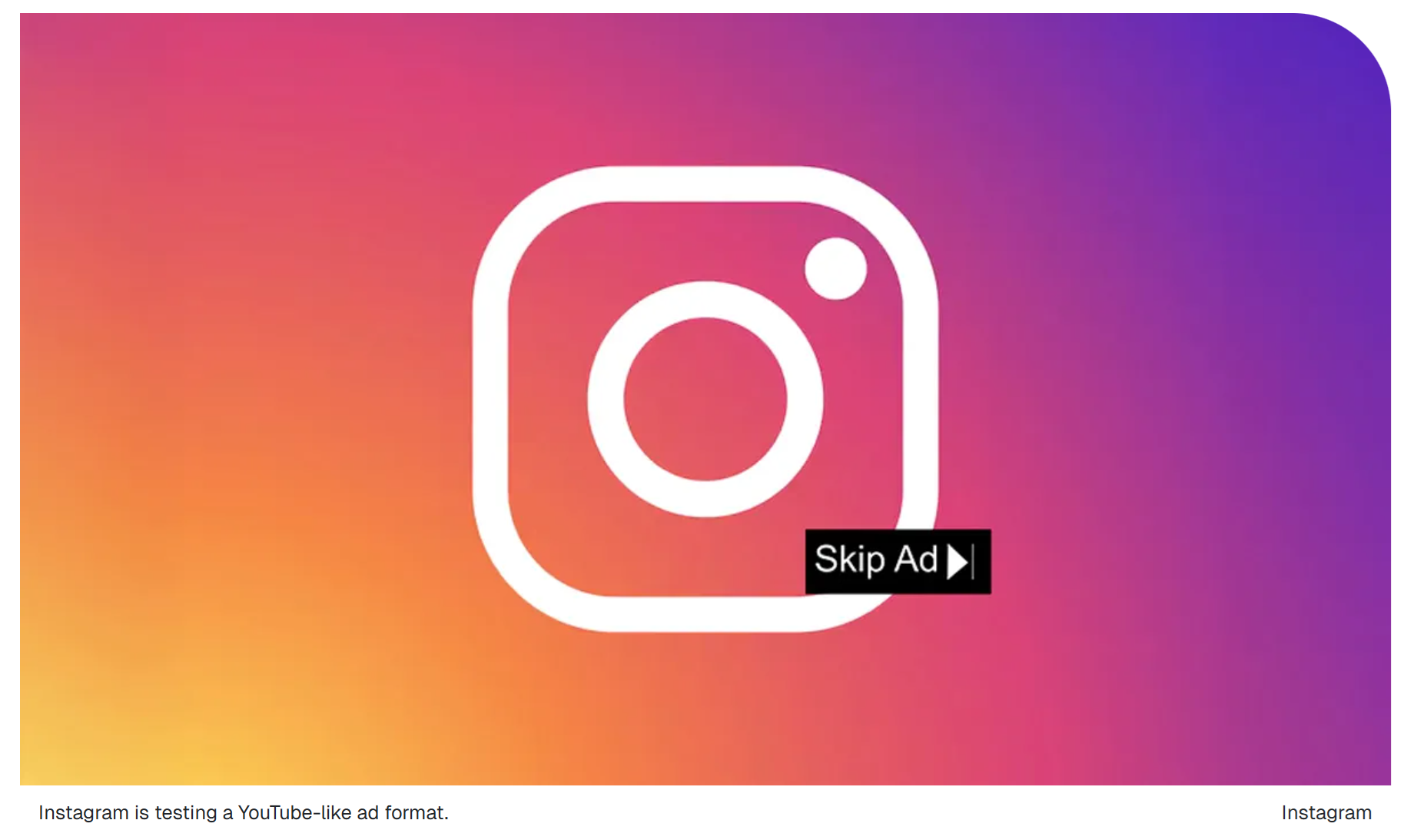
In October 2025, Adweek confirmed Meta began testing Instagram Reels skippable ads, mirroring YouTube’s in-stream ad format. Users can now skip ads after a few seconds and jump back to their video feed.

At first glance, it might look like a simple UX experiment. But beneath it lies a major shift in how attention, intent, and creative performance could be measured across social platforms.

The Test and Its Context

According to Adweek reporter Trishla Ostwal, Meta is running a limited test to understand whether this format helps users discover businesses more effectively.
Unlike YouTube, Meta is not sharing revenue with creators during the pilot phase.

The timing is deliberate.
Gartner’s 2025 CMO Spend Survey shows marketers allocating 30.6% of total budgets to paid media, a 10% year-over-year increase. Social channels are now the second-largest digital spend category. And among them, Instagram has a higher purchase intent than both Facebook and YouTube.

For Meta, the equation is simple: if users tolerate skippable ads without hurting engagement, Reels could become a more efficient revenue engine.

(Source: Adweek, “Meta Is Testing Skippable Ads on Instagram Reels, Borrowing From YouTube’s Playbook,” Oct 17, 2025)

Why It Matters

Skippable ads change the game for both performance marketers and creative teams.

Historically, non-skippable ads were priced at a premium because they guaranteed full viewership. But forced attention rarely equals real engagement. Skippable formats, on the other hand, turn the moment of attention into a user decision and a behavioral signal that can separate curiosity from disinterest.

When someone doesn’t skip, that’s intent data.
When they do, it’s still valuable just different. It tells the algorithm what not to show, and it tells you which creative failed to earn a second chance.

What Growth Marketers Should Do Now

1. Treat skips as data, not failure

Every skip is a signal. Over time, Meta’s delivery models will likely use skip behavior to refine audience targeting. Track skip rates, watch-through rates, and conversions together to uncover patterns that explain quality, not just reach.

2. Redesign creative for “voluntary attention”

The first five seconds of a Reels ad now matter more than ever. Borrow the YouTube hook architecture: open with story, motion, or emotion versus a logo. Reward attention early, and you’ll earn more of it later.

3. Build sequential storytelling

Skippable formats open the door for creative sequencing:

  • Those who skip can be retargeted with shorter, sharper hooks.
  • Those who watch can be served longer or higher-intent creative, like testimonials or offers.

It’s a subtle shift from one-shot persuasion to multi-step storytelling.

4. Expect pricing and auction evolution

Meta could eventually roll out cost-per-view (CPV) or hybrid pricing models. Prepare by modeling CPV vs CPM efficiency and by aligning ROI measurement around view-through conversions.

What to Watch For

AreaShift or RiskWhy It Matters
Measurement NoiseSkip data may complicate attribution and inflate signal-to-noise ratio.Algorithms will need time to interpret skips as quality indicators rather than negatives.
Creative StrategyMay usher in a new short-form storytelling discipline.Teams will need to master earned attention rather than relying on forced impressions.
Auction DynamicsCPMs could temporarily rise as the system learns.Early adopters should isolate budgets to prevent blended CPM distortion.
Attribution ClarityView-based engagement may dilute click-based signals.Marketers must redefine how success is measured beyond CTR.
Creator EcosystemNo revenue share yet for creators.This could limit long-term adoption unless Meta adjusts monetization models.

Staying Ahead of Platform Changes

The speed at which ad platforms evolve means marketers can’t wait for quarterly updates. Teams should build a lightweight “Ad Product Watchlist” to stay current.

Here’s a simple playbook:

  • AI Alerts: Use Feedly, Perplexity, or Google Alerts for “Meta test,” “Reels ad format,” and “auction update.”
  • Weekly Syncs: Align creative and media teams to share what’s changing and test hypotheses early.
  • Rapid Test Protocol: Treat every new ad format like a product feature — run 14-day experiments, report learnings, and scale what works.
  • Partner Engagement: Encourage Meta Partner Managers to include you in closed betas. Early learnings compound over time.

The Takeaway

Skippable Reels ads are not just a UX tweak they’re Meta’s signal that attention is moving from captive to voluntary.

The best growth marketers will recognize this for what it is:
A chance to design for curiosity, not captivity.
To read attention like a behavioral dataset, not a vanity metric.
And to build creative that doesn’t demand attention but earns it.

Are marketing funnels becoming obsolete?

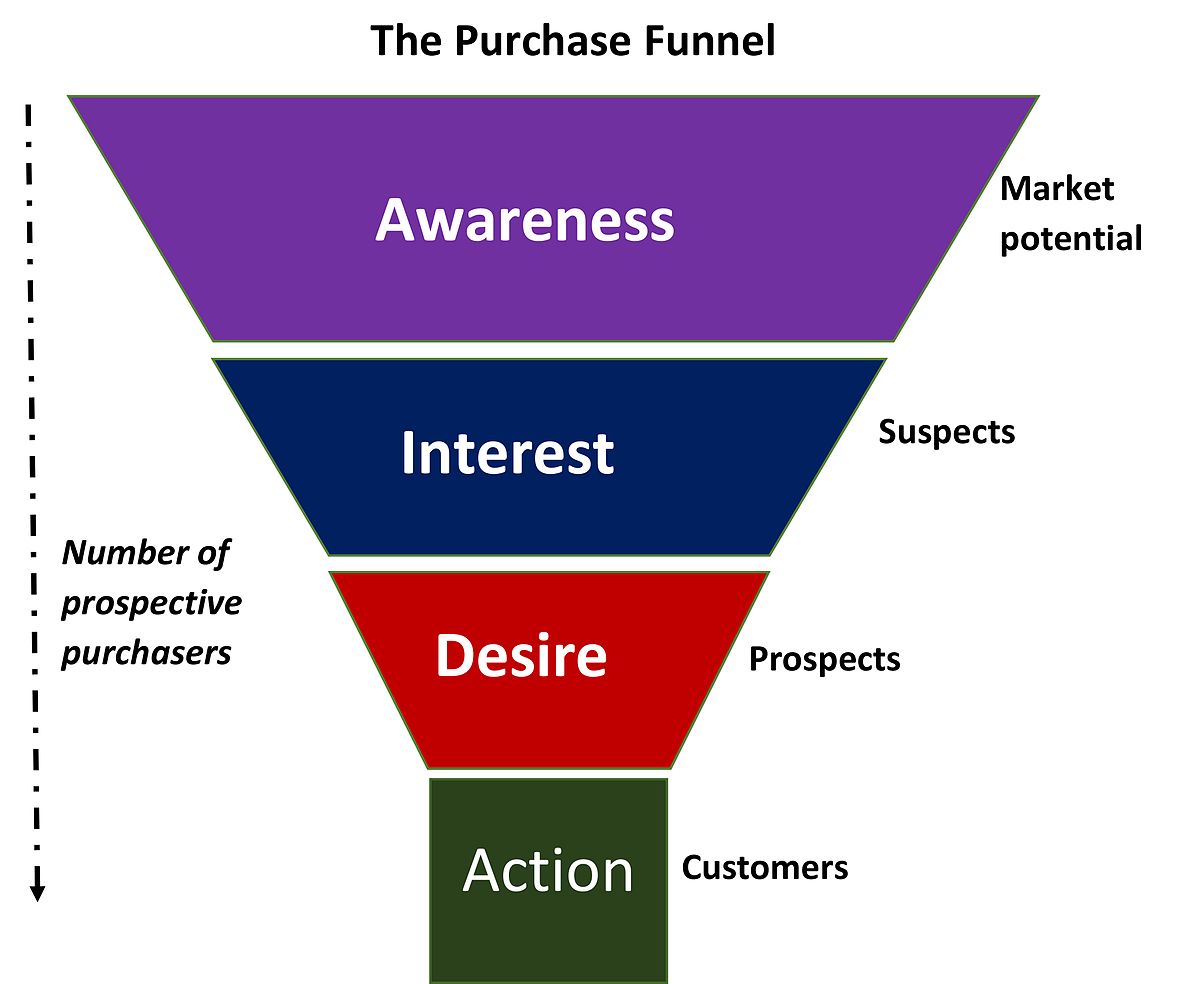
For years, we've built growth strategies around the classic funnel: Awareness → Interest → Desire → Action. Track drop-offs, eliminate friction, optimize conversion rates. Simple, measurable, effective.

But as AI anticipates user intent and one-click checkouts compress entire purchase journeys, I'm questioning whether the next generation of marketers will even think in funnels.

Here's what's shifting my perspective:

When Duolingo added streak freezes and achievement badges, their retention actually improved despite adding "friction" to the experience. Users who worked through these extra steps showed 40% higher long-term engagement than those who breezed through a streamlined onboarding.

This aligns with what Rory Sutherland argues in Alchemy: humans aren't rational calculators. We value what we work for. A quiz that helps users discover their "marketing personality type" might slow conversion, but it can dramatically increase commitment to your product.

Similarly, John List's research in The Voltage Effect shows that what works in small tests doesn't always scale. Removing a single form field might boost conversions 15% in your pilot, but when rolled out broadly, it could attract lower-intent users who churn faster, ultimately hurting lifetime value.

The real insight? Friction isn't the enemy irrelevant friction is.

The companies winning today aren't just optimizing for conversion rates. They're optimizing for the right conversions. They understand that a 5% drop in top-of-funnel conversion might be worth it if it leads to 25% higher retention and customer satisfaction.

So funnels aren't dead they're evolving.

Instead of pushing everyone through the same pipe, we're learning to design intelligent friction that filters for intent while removing barriers that genuinely don't serve the customer experience.

The question isn't whether to use funnels, but how to balance friction and flow to attract customers who will actually succeed with your product.

What's your experience? Have you found cases where adding steps improved your long-term metrics?

#GrowthMarketing #CustomerExperience #ConversionOptimization #BehavioralScience

Website Optimization for LLM Citation

AI SEO Image

Metadata Optimization

  1. Implement comprehensive schema.org markup for structured data across your business, services, and expertise
  2. Create detailed meta descriptions that accurately summarize page content
  3. Use descriptive, keyword-rich title tags that clearly indicate page topics
  4. Include proper canonical tags to avoid duplicate content issues
  5. Add appropriate Open Graph and Twitter card metadata for social sharing
  6. Ensure all content remains publicly accessible without paywalls or login requirements
AI SEO Workflow

Content Structure & Quality

  1. Use clear hierarchical heading structure (H1, H2, H3) following logical information architecture
  2. Include informative subheadings that summarize key points in each section
  3. Structure content with semantic HTML5 elements (article, section, aside, nav)
  4. Create content that answers specific questions comprehensively
  5. Include data tables with proper markup for structured information
  6. Maintain high information-to-word ratio for efficient knowledge transfer
  7. Build progressive knowledge structure from fundamental to advanced concepts
  8. Present information in multiple formats (text, tables, lists) to reinforce learning relationships

Semantic Relationships

  1. Create topic clusters with pillar pages and supporting content
  2. Use descriptive anchor text that indicates linked page content
  3. Build internal links between related content to establish topical authority
  4. Explicitly define relationships between concepts with clear statements
  5. Include concise definitions of key domain terms
  6. Structure content to showcase predictive patterns (cause-effect, problem-solution)
  7. Use semantic HTML enrichment beyond basic elements (time, mark, details, summary)

Technical SEO & Accessibility

  1. Ensure fast loading speeds and high Core Web Vitals scores
  2. Implement proper robots.txt configuration to guide crawler behavior
  3. Use HTTPS for security (LLMs prefer secure sources)
  4. Make your site mobile-friendly and responsive
  5. Ensure accessibility compliance (WCAG) to help with content parsing
  6. Maintain a flat site architecture where important pages are few clicks from homepage
  7. Create comprehensive sitemap.xml files to ensure all content is discoverable
  8. Implement machine-readable fact structures using schema.org types like ClaimReview

Trust & Authority Signals

  1. Include clear author information with credentials and expertise
  2. Cite authoritative external sources to support claims
  3. Display trust signals like testimonials, reviews, and certifications
  4. Regularly update content to maintain freshness and accuracy
  5. Provide transparent "About Us" and contact information
  6. Implement robust citation systems showing information sources
  7. Include explicit fact verification language ("research confirms," "studies show")
  8. Clearly mark content updates with dates to signal currency
  9. Add transparency statements about content origin and verification processes

Structured Data & FAQ Implementation

  1. Implement FAQ schema markup for question-answer pairs
  2. Create comprehensive FAQ sections addressing common queries in your field
  3. Structure answers in clear, concise formats that LLMs can easily extract
  4. Use consistent vocabulary and terminology throughout your site
  5. Include both broad and specific questions to capture different search intents
  6. Create knowledge graph connections through entity linking and references

Content Filtering Prevention

  1. Avoid content that might trigger filtering (spam patterns, excessive personal information)
  2. Respect privacy boundaries while remaining informative
  3. Include elements that signal legitimate content use (attributions, permissions)
  4. Create content with ethical considerations and standards clearly indicated

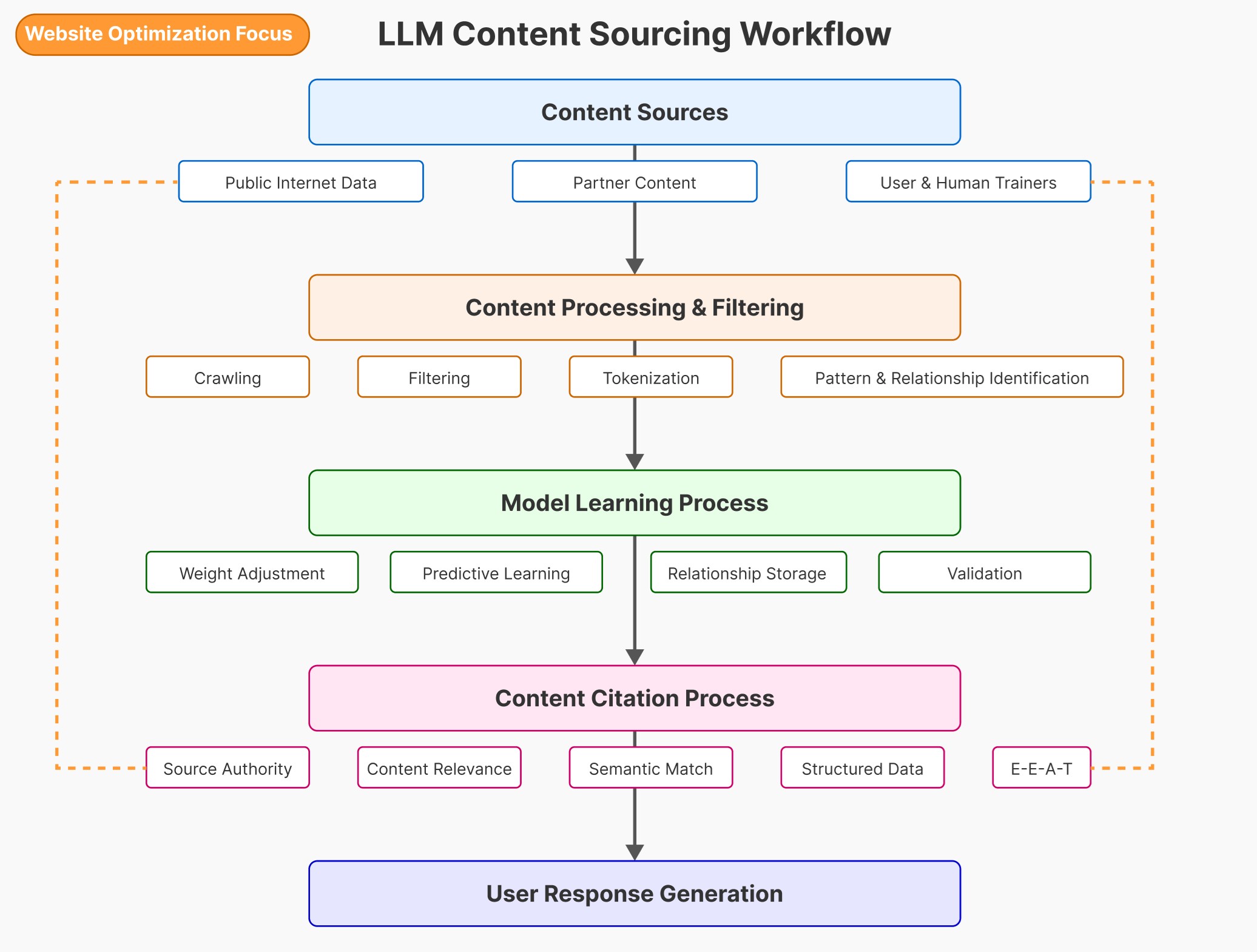
By implementing this comprehensive framework, you'll significantly increase the likelihood that LLMs will recognize your content as valuable, authoritative, and worthy of citation. This approach aligns with how these systems actually learn from and evaluate web content, positioning your site as an ideal knowledge source.

🚀 Gen Z is Moving On—Are Marketers Keeping Up? 🚀

As marketers, we have to be where our audience is. And if you're still running Facebook ads expecting to engage Gen Z in the U.S., you're already behind.

📉 Facebook’s Gen Z Exodus:
Gen Z is leaving traditional social media. In the U.S., Facebook's 12-34-year-old user base shrank from 58% in 2015 to just 29% in 2019 (Wikipedia). But there’s a twist…

📦 Facebook Marketplace is Thriving:
While young users are abandoning the Facebook news feed, they’re still shopping on Marketplace. 49% of social media shoppers turn to Facebook Marketplace when they’re ready to buy (CNBC).

Why? Because it offers something they actually want: local, sustainable, peer-to-peer commerce. This same expectation for community, connection, and commerce is already influencing Amazon and physical retail.

💡 Where Is Gen Z Shopping Now?

Gen Z isn’t rejecting digital experiences—they’re ditching social platforms that don’t serve them. Instead, they’re flocking to community-driven marketplaces like:

🛍️ Depop – Over 35M users, with Gen Z dominating the space. Now the 10th most visited shopping platform for Gen Z in the U.S.

🎨 Etsy70% of Gen Z prefers to buy from smaller, unique brands instead of big-box retailers (Statista).

📍 OfferUp – With 90M app downloads and 20M monthly active users, OfferUp is becoming a Gen Z resale go-to.

📦 Facebook Marketplace – Even as Gen Z ditches traditional Facebook, they still shop on Marketplace because it’s local, convenient, and sustainable.

🏬 The New Retail Playbook: Blending Digital + IRL

But here’s what most marketers are missing—this isn’t just about digital. Gen Z wants omnichannel experiences that blend digital with in-person engagement (PYMNTS):

🔄 Omnichannel Commerce – Gen Z expects seamless experiences between online & in-store. Brands integrating their digital and physical footprints will win.

📹 Live Shopping – In-store and online live demos, styling tips, and Q&A formats create real-time engagement and drive purchasing behavior.

🎭 Retail as Experience – The future of physical retail isn’t just about transactions—it’s about experiences, community events, and real-world brand engagement.

🔥 Are We in a Classifieds Renaissance?

Yes, but classifieds have evolved. They now deliver what Gen Z craves: connection, sustainability, and direct commerce.

💰 Digital classifieds hit $21B in revenue in 2022 (Wikipedia).
🏡 Platforms like Rightmove now rival traditional media in value (Financial Times).
📢 Investment in modern classifieds is rising as Gen Z shifts behaviors (The Australian).

💡 What This Means for Marketers

If Gen Z is leaving traditional social media but thriving in marketplaces and omnichannel retail, we need to adapt—or risk irrelevance.

Leverage AI for Hyper-Personalization – TikTok’s algorithm-driven content keeps users hooked. Are you using AI to deliver intuitive, tailored shopping experiences?

Meet Them in Marketplaces – Why force Facebook ads when Gen Z is already engaging on Etsy, Depop, OfferUp, and Facebook Marketplace? Look at partnerships, UGC, and influencer commerce.

Champion Sustainability & Purpose75% of Gen Z prefers buying from brands that care about sustainability (First Insight). If your brand isn’t aligned with their values, they’re not buying from you.

Community > AdsTraditional digital ads don’t work the same way anymore. Gen Z wants interactive experiences, peer recommendations, and brand transparency.

🔥 The takeaway? This isn’t about “social” anymore—it’s about commerce, community, and connection. The brands that seamlessly integrate where Gen Z already shops and engages will win.

Are you rethinking how to reach Gen Z? Drop your thoughts below! ⬇️

#GenZMarketing #EcommerceTrends #SustainableShopping #RetailInnovation #AIinMarketing #CommunityEngagement #Marketplaces #ConsumerBehavior #MarketingStrategy #GrowthMarketing

Brand Awareness and Market Penetration – A Marathon, Not a Sprint 🏃‍♂️💨

This piece was inspired by a LinkedIN piece and study by Sundar Swaminathan

In the fast-paced world of tech and startups, companies often focus on rapid growth and quick wins. But let’s be real—building a brand that sticks isn’t about sprinting to the finish line. It’s about pacing yourself for the long haul. The story of Uber Eats in 2018 is a perfect example of what happens when a company takes its foot off the gas in the race for brand awareness. While Uber was busy optimizing its ad spend and cutting costs, it inadvertently handed over significant market share to competitors like DoorDash and Grubhub. Today, we’re diving into how Uber’s decision to cut Meta (Facebook) ad spend in 2018 may have backfired, and why building a brand is more like running a marathon than a 100-meter dash. 🏁

Google Trends: Racing Against The Tides 🏁

From October 2018 clearly illustrates the pivotal moment when DoorDash surged ahead of Uber Eats in the US food delivery market. While Uber Eats maintained a stable but unremarkable trajectory, DoorDash experienced a significant uptick in search interest, reflecting its growing popularity and market presence. This shift aligns with DoorDash's aggressive expansion strategies, localized marketing campaigns, and customer-centric approach, which resonated strongly with consumers. Meanwhile, Uber Eats, despite its established brand, showed no appreciable change in search interest, suggesting a plateau in its growth. This divergence in trends underscores the importance of continuous brand investment and innovation in maintaining market relevance, as even a brief lapse can allow competitors like DoorDash to seize the lead. 🚀📈

The Context: Uber’s Meta Ad Spend Cut 💸

Back in 2018, Uber made a bold move to cut $35 million in annual ad spend on Meta (Facebook). The decision came from an internal analysis led by Sundar Swaminathan, who was heading up US & Canada Rider Performance Marketing Analytics at the time. The analysis showed that Meta ads weren’t driving new customer acquisition for Uber Rides anymore—the market was pretty much saturated. Uber’s data suggested that almost everyone in North America who was going to use Uber already was, so pouring more money into Meta ads seemed like a waste. 🛑

On paper, it made sense. Save money, right? But here’s the kicker: Uber Eats, the company’s food delivery arm, was still in growth mode. By cutting Meta ad spend, Uber may have weakened its brand presence in the food delivery space, leaving the door wide open for competitors like DoorDash to swoop in and steal the show. 🚪🍔

Uber Eats vs. DoorDash: The Battle for Market Share 🥊

In 2018, DoorDash pulled ahead of Uber Eats to become the second-largest food delivery service in the US, right behind Grubhub. According to Second Measure, a firm that tracks consumer spending, DoorDash’s market share jumped from 17% in January 2018 to 27% by December 2018. Meanwhile, Uber Eats’ share stayed flat at around 20%, and Grubhub held onto the top spot with 34%. 📊

DoorDash’s Secret Sauce 🍔🔥

So, how did DoorDash do it? Well, they didn’t just throw money at the problem. They built a brand that resonated with both customers and delivery drivers. Here’s how:

  1. Customer-Centric Approach: DoorDash focused on delivering a great experience. They offered a wide variety of restaurants, including local favorites, and made sure deliveries were fast and reliable. Their DashPass subscription service was a game-changer, giving frequent users free delivery for a monthly fee. Who doesn’t love a good deal? 🎯
  2. Driver-Friendly Policies: DoorDash knew that happy drivers meant happy customers. They offered competitive pay, flexible hours, and bonuses for working during peak times. This helped them attract and retain a massive pool of delivery drivers, which kept deliveries speedy and customers satisfied. 🚗💨
  3. Localized Marketing: DoorDash didn’t just blanket the country with generic ads. They ran localized campaigns that connected with communities. By partnering with local restaurants and running region-specific promotions, they built a strong local presence that felt personal. 🏘️🍕
  4. Digital Dominance: DoorDash went all-in on Meta (Facebook) and Instagram ads, email marketing, and even influencer partnerships. While Uber was scaling back, DoorDash was doubling down, ensuring their brand stayed top-of-mind for hungry consumers. 📱💻
  5. Storytelling: DoorDash’s marketing wasn’t just about selling a service—it was about telling stories. They highlighted real experiences from customers and drivers, creating an emotional connection that made people feel good about choosing DoorDash. 📖❤️

Did Uber’s Meta Shutdown Help DoorDash? 🤔

Here’s where things get interesting. Uber’s decision to cut Meta ad spend in 2018 may have indirectly given DoorDash a leg up. Here’s how:

  1. Less Competition for Ad Space: With Uber out of the picture, DoorDash had more room to dominate Facebook and Instagram ads. This meant they could reach more potential customers without competing with Uber for attention. 🎯📈
  2. Increased Brand Visibility: As Uber scaled back its marketing, DoorDash’s continued investment in Meta ads likely boosted its brand visibility. This helped DoorDash capture the attention of consumers who might have otherwise gone with Uber Eats. 👀🍔
  3. First-Mover Advantage: Uber’s focus on cost-cutting may have slowed its expansion into new markets, giving DoorDash a first-mover advantage in suburban and rural areas. DoorDash’s aggressive expansion strategy allowed it to establish a strong presence in these regions before Uber could catch up. 🏞️🚀

Other Players in the Game: Postmates and Grubhub 🎮

While DoorDash was making waves, other players like Postmates and Grubhub were also in the mix. Postmates, known for its “deliver anything” model, grew modestly in 2018, going from 10% to 12% market share. They focused on urban markets and partnerships with local businesses, which kept them competitive but not quite as explosive as DoorDash. 🏙️📦

Grubhub, the market leader at the time, held onto its 34% share but started to feel the heat as DoorDash and Uber Eats gained traction. Grubhub’s strategy relied heavily on its first-mover advantage and its large network of restaurant partnerships, but it struggled to keep up with DoorDash’s aggressive growth. 🍴📉

The Big Lesson: Brand Building is a Marathon 🏁

Uber’s experience in 2018 is a cautionary tale for any company thinking about cutting corners on brand building. Here’s the deal:

  1. Market Saturation Isn’t Forever: Even if your market seems saturated, consumer behavior can change. You’ve got to keep investing in brand awareness to stay relevant. 🔄📈
  2. Competitors Never Sleep: In a competitive market, taking your foot off the gas can give your rivals a chance to zoom past you. DoorDash’s rapid growth in 2018 is proof that maintaining a strong marketing presence is crucial. 🏎️💨
  3. Brand Awareness is a Long-Term Game: Building a brand isn’t a one-and-done deal. It’s a continuous effort that requires consistent investment. Companies that treat brand building like a marathon, not a sprint, are the ones that come out on top. 🏃‍♂️🏆

Conclusion 🎬

Uber’s decision to cut Meta ad spend in 2018 may have saved them $35 million, but it cost them dearly in the food delivery race. By scaling back its marketing efforts, Uber Eats lost ground to DoorDash, who capitalized on the opportunity by building a brand that resonated with customers and drivers alike. The takeaway? Brand building is a marathon, not a sprint. In competitive markets, maintaining a strong brand presence is critical to long-term success. 🏁🍔

As Sundar Swaminathan put it, “insights do not mean action.” While Uber’s decision to cut Meta ad spend was data-driven, it highlights the importance of considering the bigger picture. In the race for market share, companies that prioritize long-term brand building will always have the edge. 🧠📊


References 📚

🌟 The Democratization of Product-Led Growth (PLG): A Product-First Revolution 🌟

In today’s fast-paced, customer-centric world, Product-Led Growth (PLG) isn’t just a buzzword—it’s a movement! 🚀 PLG is all about putting the product at the heart of your business strategy, allowing it to drive customer acquisition, retention, and expansion. But here’s the kicker: PLG isn’t just for product teams anymore. It’s time to democratize PLG and make it a mindset for every functional group! 🎉

What is PLG? 🤔

According to ProductLed.org, PLG is a go-to-market strategy that relies on the product itself as the primary driver of growth. Instead of relying solely on sales teams or marketing campaigns, the product sells itself by delivering immediate value to users. Think of tools like Slack, Notion, or Canva—they’re so intuitive and valuable that users can’t help but spread the word! 📣

But here’s the thing: PLG isn’t just about the product team. It’s about creating a product-first culture across the entire organization. 🏢

Why PLG Should Be in Every Functional Group 🧩

  1. Marketing 🎯:
    Marketing teams should focus on creating product-driven campaigns. Instead of just talking about features, show how the product solves real problems. Use free trials, freemium models, and interactive demos to let the product speak for itself. 🗣️✨
  2. Sales 💼:
    Sales teams should shift from pushing the product to guiding users to discover its value. Think of sales as product educators who help users unlock the full potential of the product. 🗝️
  3. Customer Success 🤝:
    Customer success teams should focus on onboarding and activation. Their goal? Ensure users experience the “aha!” moment as quickly as possible. Happy users = organic growth! 🌱
  4. Engineering ⚙️:
    Engineers should prioritize building intuitive, user-friendly experiences. Every line of code should reflect the product’s mission to deliver value effortlessly. 💻
  5. Leadership 🧠:
    Leaders should champion the product-first philosophy across the organization. This means aligning goals, metrics, and incentives around the product’s success. 📊

The Baseline Philosophy: Be Product-First 🥇

At its core, PLG is about putting the product first. This means:

  • Every decision should be made with the user in mind. 👥
  • Every team should understand how their work impacts the product experience. 🔗
  • Every interaction should reinforce the value of the product. 💎

When every functional group embraces this philosophy, magic happens. 🪄 The product becomes more than just a tool—it becomes a growth engine that drives the entire business forward. 🚂

Key Takeaways from the Article 📚

The ProductLed.org article highlights some critical insights:

  • PLG is not a one-size-fits-all strategy. It requires customization based on your product and market. 🛠️
  • Freemium models and free trials are powerful tools, but they must be backed by a product that delivers real value. 💡
  • Metrics like Time-to-Value (TTV) and Product-Qualified Leads (PQLs) are essential for measuring PLG success. 📏

Final Thoughts 💭

The democratization of PLG is about breaking down silos and creating a unified, product-first culture. When every team—from marketing to engineering—embraces PLG, the result is a seamless, value-driven experience for users. 🌈

So, let’s make PLG a team sport! 🏈 Because when the product wins, everyone wins. 🏆

What do you think? Ready to go all-in on PLG? Let’s build a product-first future together! 🚀✨

10 Marketing Mistakes That Are Holding You Back—and How to Fix Them 🚀

A list of whacky myths

1. Thinking a Redesign Is a Growth Fix-All

💡 Example: When GAP launched a logo redesign in 2010, backlash was so severe that they reverted to their old logo within a week, losing millions. Their mistake? Focusing on aesthetics without addressing deeper brand and operational challenges.

✅ Fix it: Audit your eCommerce infrastructure. If your site is slow or checkout is clunky, a redesign won’t solve those problems. Instead, prioritize technical fixes and a clear hypothesis for your redesign.

2. Blindly Copying Competitors

💡 Example: Just because a competitor's ad campaign uses bold humor doesn’t mean it will resonate with your audience. Pepsi’s attempt to mimic Coke's “Share a Coke” campaign with emoji bottles fell flat—it lacked the same emotional connection.

✅ Fix it: Use competitor analysis as inspiration, not a template. Apply first principles thinking and validate ideas with your own data. For example, test messaging tailored to your audience before fully committing.

3. Over-Leaning on Rented Channels

💡 Data: Relying solely on SEM and paid social can backfire. Research shows that organic social posts generate 22% higher engagement, while paid content often feels transactional.

✅ Fix it: Balance your rented channels with owned and earned tactics, such as email lists, virality, and word of mouth. Use tools like incrementality testing to evaluate how upper-funnel tactics like OTT and Podcast assist conversions.

4. Over-Testing to Paralysis

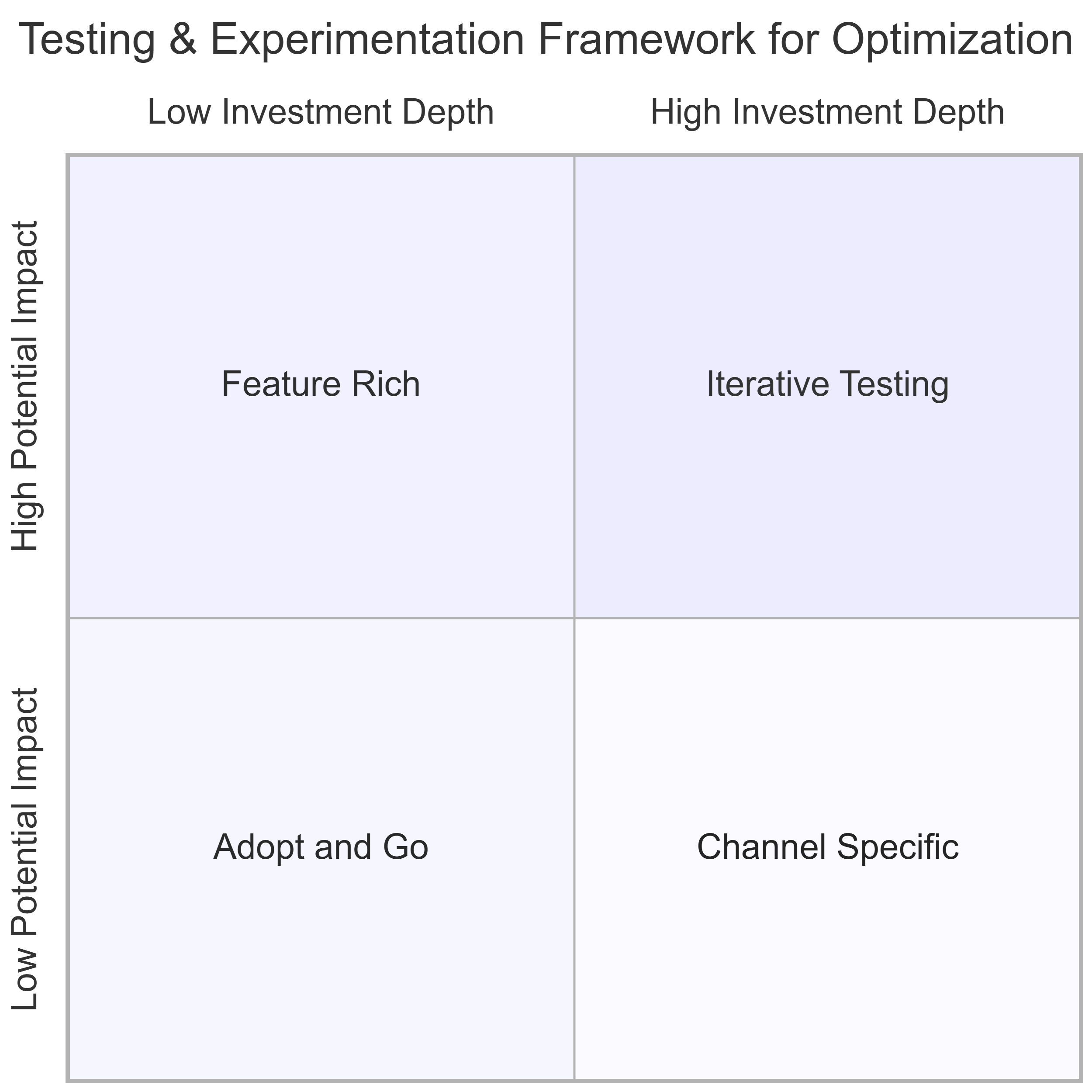
💡 Example: Startups with low traffic often get stuck waiting for A/B tests to reach statistical significance. A small direct-to-consumer brand cut their testing cycle by using a four-blocker framework: feature-rich tests for major updates and quick iterative changes for optimizations.

✅ Fix it: Build a testing playbook to prioritize:
1️⃣ Big, feature-rich tests.
2️⃣ Iterative tests.
3️⃣ Optimizations.
4️⃣ Adopt-and-go elements.

Don’t wait for perfection—move fast and refine as you go.

5. Stop With the Micro-Optimizations

💡 Data: Research from CXL shows that button color tests rarely improve conversion rates by more than 1%. Micro-optimizations won’t save a broken funnel.

✅ Fix it: Aim for step-function improvements like launching new product features or testing bold claims. For example, Spotify’s “Discover Weekly” feature drove a 30% increase in engagement, while micro-tweaks wouldn’t have had the same impact.

6. Forgetting There’s R&D in Marketing

💡 Example: Airbnb’s marketing R&D led to innovations like user-generated travel guides, creating a 200% increase in engagement during early campaigns.

✅ Fix it: Dedicate 10–20% of resources to exploring new tactics, from creatives to segments. Build habits around experimenting with future growth levers. Think: “What’s the next big win for our brand?”

7. Forgetting That Marketing Is About People

💡 Example: Dove’s “Real Beauty” campaign connected with audiences on an emotional level, leading to a 4x increase in brand value over a decade. Compare that to campaigns optimized purely for clicks.

✅ Fix it: Build a messaging framework that prioritizes emotion over transactions. Ask: What’s your brand’s superpower? How do you connect with people beyond the algorithm?

8. Always Have a Succession Plan

💡 Example: Coca-Cola tests ideas with a clear lifecycle: if a flavor or campaign underperforms, they have a plan to pivot or kill it quickly. Remember New Coke? They had a succession plan to revert to Classic Coke.

✅ Fix it: Treat your campaigns like a story with a beginning, middle, and end. Know when to iterate, when to move on, and what comes next.

9. Ignoring Quantitative and Qualitative Feedback

💡 Data: A McKinsey report found that companies using customer feedback loops grow revenue by 10–15% faster than their peers.

✅ Fix it: Build systems to gather both quantitative data (metrics) and qualitative feedback (customer interviews, surveys). Use tools like NPS surveys and cohort analysis to refine your strategy based on real customer insights.

10. Forgetting It’s a Short and Long Game

💡 Example: Amazon’s short-term focus on free shipping drove conversions, but their long-term investment in Prime built loyalty and LTV.

✅ Fix it: Balance short-term campaigns (e.g., sales promotions) with long-term brand building (e.g., loyalty programs). Think: “Will this decision boost short-term revenue and set us up for sustainable growth?”

🚀 Amazon’s Next Move: Expanding Ad Tools to Retailers

Image of Amazon.com

Amazon has announced a game-changing expansion: retailers can now use Amazon's advertising tools directly on their own online stores! 🛍️ This bold move underscores Amazon’s commitment to its fastest-growing and most lucrative segment: advertising. Far from a simple pivot, it’s a masterstroke that leverages Amazon’s strengths in ad tech and first-party data while addressing slower growth in traditional segments like online and physical stores.

💡 Why Advertising is the Focus

Amazon’s revenue breakdown paints a clear picture of its growth strategy:

  • Online Stores: 40.3%
  • Third-party Seller Services: 24.4%
  • Amazon Web Services (AWS): 15.8%
  • Advertising: 8.2% (fastest-growing 🚀)
  • Subscription Services: 7.0%
  • Physical Stores: 3.5%
  • Other: 0.9%

While Online Stores—once the foundation of Amazon’s empire—are slowing, high-margin areas like Advertising, AWS, and Subscription Services are thriving. 📈 Advertising, in particular, has delivered consistent double-digit growth, becoming a cornerstone of Amazon’s future.

By letting retailers use its ad tools, Amazon takes a logical step toward solidifying its role as a dominant ad-tech player, rivaling Google and Meta in scope and ambition.

📊 Strategic Benefits

🌐 Expanding Beyond Amazon.com

Amazon can now monetize e-commerce activity across the broader internet. This transforms the company from an e-commerce titan into a digital advertising powerhouse, expanding its influence far beyond its own platform.

🚀 Capitalizing on the Retail Media Boom

Retail media networks are surging as companies monetize first-party data. Amazon is already a leader in this space, and extending its tools ensures it remains the go-to platform for performance-driven advertisers.

⚖️ Offsetting Slower-Growth Segments

With Online Stores and Physical Stores delivering slower growth, high-margin advertising offers a scalable and future-proof counterbalance.

🔒 Owning the First-Party Data Advantage

In a privacy-first world, first-party data is gold. Amazon’s tools empower retailers to harness this resource effectively, reinforcing Amazon’s dominance while benefiting advertisers and consumers alike.

⚠️ Challenges to Watch

  1. 🤔 Retailer Hesitation: Will retailers trust Amazon, a potential competitor, with their ad strategies?
  2. 🛠️ Execution Complexity: Integrating these tools across diverse platforms could pose technical and operational challenges.
  3. ⚔️ Competitive Pushback: Expect players like Shopify and Meta to respond with innovations or partnerships to counter Amazon’s move.

🌟 Why This Matters

Amazon’s focus on advertising isn’t just about growth—it’s a reflection of its ability to adapt and thrive. With this move, Amazon is stepping into the $600 billion digital advertising market, proving once again that it’s more than an e-commerce giant; it’s a transformative force in ad tech and data-driven innovation.

This isn’t just a new revenue stream—it’s a blueprint for how businesses can evolve to lead in a rapidly shifting landscape. 🌍📈

What do you think—are we witnessing the next chapter in retail media dominance? Share your thoughts below! 👇

Reflections on a 30-Year Journey: Growth, Sacrifices, and the Power of Resilience

Looking back on my 30-year career, I’m filled with gratitude for the experiences that have shaped me—not just as a professional, but as a person. It’s been a journey defined by bold risks, incredible highs, and moments of deep personal reflection. From being part of the launch of Amazon and Priceline to refining growth strategies for global brands, I’ve lived through the evolution of marketing, pivoted across industries, and learned invaluable lessons along the way.

The Early Years: Chasing Success and Scaling Big Ideas

My career began with an incredible opportunity at Connors Communications, during a time when the internet was in its infancy and e-commerce was a bold experiment. We weren’t just marketing products; we were reshaping the way consumers interacted with the world. Launching Amazon, Priceline, and Vonage wasn’t just exhilarating—it was a masterclass in innovation and execution. I thrived in ambiguity, learned to trust my instincts, and became comfortable riding the wave of rapid change.

After Connors, I wanted to test whether these tactics could scale within more established industries. At Zeta, I took that challenge head-on, working with tech giants like ADP, Sybase, and Intuit, as well as pharmaceutical leaders such as Allergan and Novartis. These roles were a turning point. They taught me to balance agility with structure, and to refine my strategies with a full-stack view that encompassed everything from acquisition to retention. Scaling growth in these environments required a deeper understanding of data, customer journeys, and cross-functional collaboration. It was here that I built the foundations of a more sophisticated, end-to-end growth strategy.

These experiences were invaluable. They instilled in me a respect for the nuances of scaling businesses across vastly different sectors and solidified my belief that great marketing is both art and science.

Scaling Mountains and Learning Limits

Following Zeta, I transitioned to leadership roles at Vertrue, Experian, and Intuit, where I continued to scale growth engines and develop comprehensive marketing capabilities. The stakes were higher, and the expectations even greater. These were formative years where I learned to lead large teams, manage complex operations, and drive results in high-pressure environments.

But during this time, I often put my career above everything else—including my family. I chased success with relentless ambition, convinced that personal sacrifices were necessary to achieve professional excellence. It wasn’t until later that I began to question the cost of that mindset.

The Wake-Up Call: Ana’s Story

Everything changed with the birth of my daughter, Ana. She was a miracle, filling our lives with unimaginable joy. But at just three months old, she faced her first of two open-heart surgeries. Watching her endure such immense challenges at such a young age was the most humbling experience of my life. It brought everything into focus.

Suddenly, the late nights, the big wins, and the career milestones all felt secondary. Ana’s strength and resilience taught me the true meaning of courage and reminded me of what really matters. Her journey reshaped my priorities, forcing me to reevaluate my work-life balance and how I defined success.

Working Hard, But Smarter

Today, I’m more intentional about how I work. I still bring the same drive and passion to my role at CookUnity, where we’re reshaping the food subscription industry. But now, I work smarter—with a keen eye on what truly matters. I prioritize impact over busyness, ensuring that my efforts contribute to meaningful growth without compromising the time I spend with my family.

Ana’s journey taught me that presence is everything. I’m committed to being there for her as she continues to thrive, but my focus doesn’t stop there. I’ve also reconnected with my parents, cousins, and extended family, recognizing how important those relationships are. Whether it’s a family gathering, a quick check-in, or simply showing up when it matters most, I’ve learned that nurturing these bonds is just as crucial as achieving professional success.

A New Chapter: Purpose-Driven Growth

With this renewed perspective, I’ve embraced purpose-driven growth. Transitioning to startups like Molekule and now CookUnity, I’ve had the chance to apply the lessons of my earlier career while fostering a deeper sense of purpose. At Molekule, I built growth capabilities from the ground up, positioning the brand as a leader in air purification. At CookUnity, I’m leading efforts to redefine the food subscription industry through a chef-driven marketplace. Here, I’ve been able to combine data-driven strategies with creative storytelling to drive meaningful growth.

Lessons from 30 Years

If I could talk to my younger self, I’d tell him to pause and appreciate the journey more. To celebrate the wins, but also to recognize the sacrifices and prioritize what truly matters. I’ve learned that success isn’t just about career milestones—it’s about balancing ambition with humanity and finding resilience in life’s challenges.

Ana’s story is my anchor, reminding me every day why I work so hard. This journey has been extraordinary, filled with growth, learning, and purpose. And through it all, I’ve discovered that the most important success is one that honors both your professional goals and the people you hold dear.