Author: cezanne

Facebook and Cambridge Analytica concerns that may impact social and digital marketing

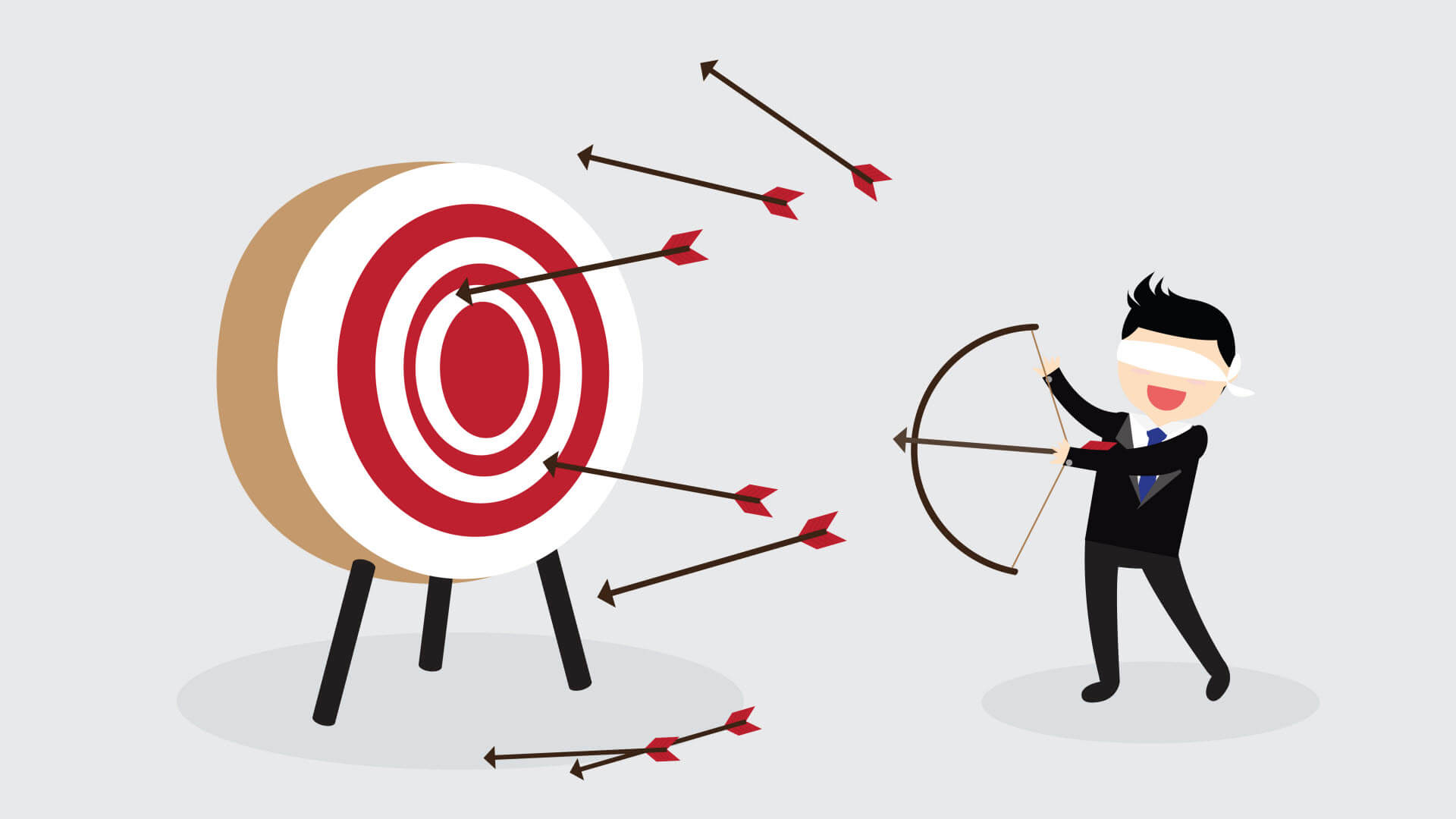
Sorry about the ominous title but there is a concern around what’s happening in the digital world specifically relating to social media. Furthermore, it’s getting more attention due to the “Trump Bump” and it’s not good, it isn’t just about stocks, and has expanded into just about anything related to Trump as well as some recent news has a lot of people now talking about Facebook. If you're like me, own Facebook stock, recently saw $60 billion get wiped off the books and tech stocks getting hammered then it's important to understand what is going on. Here’s my super simplified FAQ which will source and cover as much of the media as well as bringing in my experience to help you understand just what’s going on. Please pardon the grammar and typos! Who is Cambridge Analytica? Founded in 2013, Cambridge Analytica (CA) is a privately held data research and marketing company that was created as a commercial solution with the goal of supporting US politics. It’s partly owned by the Robert Mercer family who also happens to be a backer of Breitbart.com and Trump. Cambridge Analytica was involved in over 50 US political races since 2014 and have primarily to my knowledge supported hyper-conservative candidates. How did Facebook and Cambridge Analytica start working together? The gist of the Cambridge Analytica relationship began with Ted Cruz in 2015 where he utilized its services during the 2015 Republican primaries and of course lost to Trump. Ted Cruz was supported by Robert Mercer during that time and having a large stake in Cambridge Analytica it shouldn’t be a surprise that Trump’s campaign team, after Cruz’s loss was backed by Mercer. Went with Cambridge Analytica. From there, not surprisingly, Steve Bannon who according to Christopher Wylie, the firm's director of research, wanted “weapons for a culture war” that Facebook would be platform from which the culture influence could begin. So, Steve Bannon, Jared Kushner and Giles Parscale, Trump’s Director of Digital, went to Facebook and partnered with them to create a digital command and control data operation with Facebook’s organic and advertising products at its fingertips. Why was Facebook working with Cambridge Analytica? This part is unclear as of yet but of course the idea of supporting a major candidate, the potential commercial arrangement and the learning certainly would be a fantastic incentive for any large-scale platform. Where did they get the personally identifiable information? First, information about us can be attained across all of the breadcrumbs we leave as we “surf the web” hop between mobile and desktop in fragmented ways – this is nothing new and we marketers know this. Facebook is such an environment where you conceivably are able to track all of the web 1.0 information but add the interests, behavioral, psychographic and social graphs you essentially have a fantastic opportunity to personalize the information to trigger an action or transaction. Typically the personalization is grounded by an advertiser’s 1st party data, such as a first name, last name, email address, phone number, or in some cases a social security number, which Facebook actually collects. They then allow based on their terms of service to match this 1st party data to the Facebook community and create lookalikes or custom audiences that can then be marketed to. The lookalike modeling is standard fare digital marketing on Facebook because it doesn't have the same accuracy of custom audiences and hence it is a bit like targeting a dartboard blindfolded.Digital marketing blindfolded Any smart advertiser knows that simply targeting using Facebook's audiences to create lookalike models isn't as effective, takes a long time to analyze and is extremely costly. In Cambridge Analytica's case, they have admited they used 1st party data and a Facebook executive even claimed they used custom audiences. That's all well and good, however, there is a serious question around how they procured their database of “first party data” without the knowledge of consumers. There is also a big question surrounding how they could have extracted that information from Facebook and stored them in a database without the knowledge of Facebook. This is a highly dangerous situation, whether you are in the US, CA or the EU. Both Facebook and Cambridge Analytica may be in legal jeopardy depending on how the database information was harvested. Based on media reports, Dr. Aleksander Kogan and his GSR (Global Science Research), paid people using Amazon's Mechanical Turk to do a "personality assessment" on Facebook. The code used in the “personality assessment” app on Facebook exposed information of approximately 270,000 people their personal information and that of their entire social graph. GSR then created a database out of that information and shared it with Cambridge Analytica. Cambridge Analytica was then able to expand this to approximately 50 million US Facebook users. Dr. Aleksander Kogan has insisted that he had very clear terms of service that allowed him to legally get personally identifiable information from Facebook users. The issue here as we know, as marketers, that even large-scale advertisers spending billions of dollars a year are not able to extract information from Facebook it’s only a push and match. Was Facebook aware of the harvesting of personal information? The answer as of March 20th according to an ex-Facebook insider, reported by the Guardian, data harvesting by 3rd parties was rampant, but executives pretended it didn’t happen. unclear but as advertisers we need to be diligent about how we collect and track information. We should be interested in Facebook’s actions and whether we are satisfied that it resolves the many concerns advertisers and their customers would have. Imagine if your competitor created a simple assessment app, targeted a range of people and were able to ascertain your customer set and conquest them privately? If there is a platform hole technologically or Terms of Service (ToS) related, then it needs to be opened further or closed. It cannot be for selective entities. How will this impact digital marketing and social media? Specifically, Facebook has seen a ~$60B drop in their books because of a decline in their share value. We’re also seeing discussions in scaling back advertising spend while this current issue blows over. While I haven’t surveyed many consumers, we do know that, unrelated to this, many celebrities such as Jim Carey have begun to shutdown Facebook. This could create an inflationary effect on the cost of advertising across Facebook’s ecosystem, something we won’t know for a few weeks. We do know that the agency and DSP worlds have been inundated with transparency, data privacy and fraud issues which many have addressed. However, there is no doubt that many brands will question every decusion related to the usage of Facebook. As a result, I believe this will have a chilling effect on our industry unless Facebook and potentially a third party investigative body gets to the bottom of this. Our industry leaders Internet American Association of National Advertisers (ANA), Adverting Bureau (IAB), International Advertising Association (IAA) should take a proactive step in working together. What steps are being taking to address this from an agency and brand standpoint? At this stage, Facebook has suspended Cambridge Analytica’s accounts, the British government has procured a warrant to seize any available data, software and hardware to assess further damage as well as forensically investigate the situation. In the US, the Massachusetts Attorney General has opened an investigation into Cambridge Analytica. Our Federal Trade Commission is also investigating whether violated any previous privacy orders using Facebook. Yet, we have not heard from Mark Zuckerberg nor Sheryl Sandberg on this matter. We have also not heard from other platforms such as Twitter, Google and Snapchat. The good news is that many of the advertising associations are in the process of providing “rules of engagement” regarding Facebook and a universal checklist essentially a simplified version of the GDPR process which will alleviate any delays into impact to brands and their customers as well the agencies supporting them. The issue of course is limited to the procurement, handling and usage of customer data. The story is unfolding and there are many things not known but such is our business! If anyone has any questions or would like to add any corrections to this piece feel free to let me know. Sources:
  • The Guardian https://www.theguardian.com/news/2018/mar/17/data-war-whistleblower-christopher-wylie-faceook-nix-bannon-trump
  • Digital Guardian: https://digitalguardian.com/blog/what-gdpr-general-data-protection-regulation-understanding-and-complying-gdpr-data-protection
  • The Guardian: https://www.theguardian.com/news/2018/mar/20/facebook-data-cambridge-analytica-sandy-parakilas?CMP=Share_AndroidApp_Tweet
  • The New York Times: https://www.nytimes.com/2018/03/19/technology/facebook-cambridge-analytica-explained.html
  • Wired: https://www.wired.com/story/the-noisy-fallacies-of-psychographic-targeting/
  • Facebook ad policy: https://business.facebook.com/policies/ads
  • Money Watch: https://www.cbsnews.com/live-news/facebook-under-fire-the-latest-on-cambridge-analytica-scandal-live-updates/

Amazon buys Whole Foods, boy times, they are a changing…the courtship of digital is ending

Why would Amazon buy Whole Foods? Ironically, the answer is in the name, Amazon. The amazon jungle is the life blood of the western hemisphere providing the ecosystem and environment to nourish over a billion in population and drives civilizations largest economies. According to Wikipedia, the Amazon represents over half of the planet's remaining rain-forests, and comprises the largest and most bio-diverse tract of tropical rain-forest in the world, with an estimated 390 billion individual trees divided into 16,000 species.
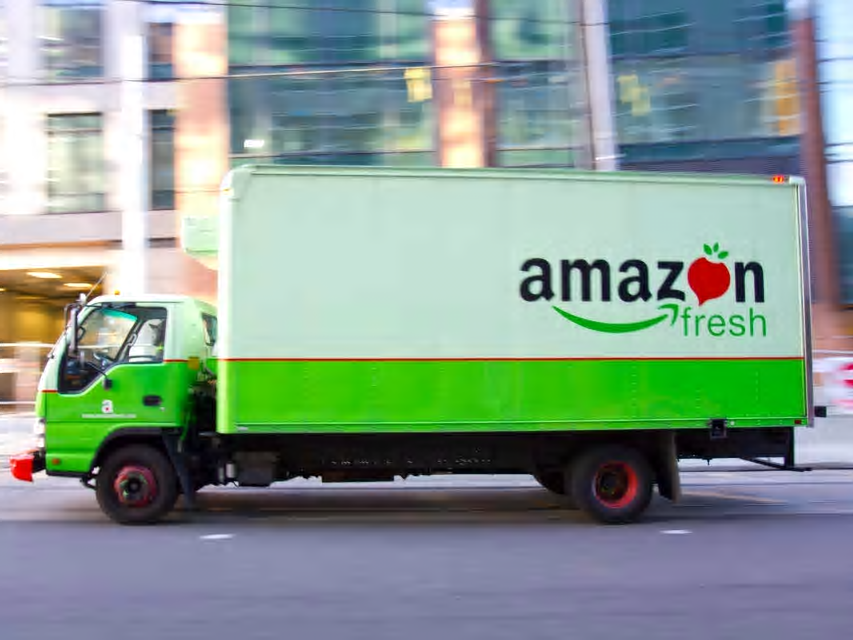
Furthermore, having worked with Amazon when they first launched, Jeff Bezos’ goal seemed to be to want to bring everything a consumer could possibly want instantaneously to any part of the globe. So, it’s not a surprise to me that Whole Foods would be part of the consideration having integrated Zappos, Audible, etc. What I like about this is that Amazon; versus Walmart or any other big etailer/retailer has an opportunity to revamp the village economy that’s been largely decimated and ignored by the chain retailers such as the Walmart’s and Kmart’s of the previous generation. What I mean is that, there will be shift to employee first and long-term strategy versus a shareholder driven short term view of profit and loss. This will help employees gain purchase power and drive the economies in their communities. What’s the state of retail and is there any benefit for brick and mortar shopping? Look, I don’t think we should see the world from a “zero-sum” game perspective. I’m not a retail expert but as a consumer myself, introspectively, I have seen a big shift in my own buying behavior. Looking back, I never thought I’d stop going to the produce markets to use Fresh Direct or Google Express, as an example. We also must be mindful that many of us consumers are in various transition stages. This means that there’s a role for physical spaces, the answer lies in defining your ideal customer, understanding how he/she’s purchase behavior is changing and what your business can do about. How Amazon integrates Whole Foods will shed more light into the convergence of digital and physical in real terms. When buying preference shifts more towards medium B versus medium A, and medium A has been the driving method for businesses to entice a transaction how should a business respond? The answer to this question is simple but the path to getting there in an organization seems to be well beyond a company’s reach. Assuming medium B is online shopping and medium A is physical retail purchasing then logic would dictate that organizations would build the necessary pathway from divesting from brick and mortar to mix shift to supporting online shopping. Yet we look across the spectrum of retail and while this isn’t new news, i.e. music stores closing due to the CD to mp3 shift or mom and pop shops disappearing due to large retail shops are just a few of the shifts that are similar in nature but every time we see a pivot in consumer behavior our career business professionals and leaders seem to miss the boat or wait too long until it’s too late. Businesses should have a strategy to address the changes in the marketplace and these changes are clear and present when you listen to consumers. This idea isn’t new, there are many businesses who have carefully followed the needs of their customers, they have succeeded, Intel or BestBuy come to mind. While others simply ignored the signs, or didn’t see the writing on the wall and are no longer around or solvent, Kodak or Kmart, etc. What's interesting is that, as a percentage of revenue, according to TheMotleyFool, Amazon spends more on advertising then Walmart, The Home Depot, Best Buy, Kroger, and Target combined. Do they know something we don't know? Or do they understand that part of doing business and competing requires investing into driving sales? And that this investment brings critical data and learnings that will help the business calibrate and course correct? A form of research and development in the digital era.
So how can a large retailer turn the tide through digital transformation? That’s a loaded question, and it’s important to note that it’s not about digital or physical, really. And you've people say, it's not a sprint its marathon, I say it's a triathlon but your organization has to be sure of what it is it needs to accomplish and be laser focused on accomplishing it. Most businesses are fully on the transformation journey, the problem lies in whether it’s the right one for them.  To understand that, it’s important to understand the organization’s wherewithal and capability from the vantage point of research, data, technology, legal, processes and talent. The underlying question will be whether you have the right mindset from the leadership and from the brick and mortar staff to facilitate any future change. If it's not a holistic approach then you're just slapping "lipstick on pig" and the underlying issues will engulf your business and you will cease to exist. With regards to research, this is a crucial first step and most businesses sit on a treasure trove of information. Ultimately it will rely upon a business’ core customers, asking the right questions and knowing who they are. Why are they your customers, what are there likes and dislikes, and what drives them to consider alternative products. I think the consumer packaged goods (CPG) industry does a phenomenal job at understanding a dimension of this but what I see a lot is research fails to address the consumer journey pieces of the qualitative puzzle. Data is another challenge for large companies, are you collecting the right data with regards to your business, end-to-end, who’s data should you use or trust, do you have a single source of truth and how is the data helping you make the right decisions or not? The research outputs should be able to allow for a gap analysis of your datasets, financial, product, marketing, sales and otherwise. The most puzzling of blockers I’ve encountered is, technology both IT and engineering. Yes, not surprising, it took a decade for organizations to realize that a Chief Marketing Officer (CMO) was investing more in technology than a Chief Technology Officer (CTO). On top of that, you have the pressure of advertising technology and how to tie all these platforms together. Each department, sales, finance, product, marketing and IT all look at their technology investments differently yet operationally and from a cost perspective it doesn’t make sense to do so. So, you have varying levels of maturity when it comes to technology deployment and the appetite for the business side to partner with technology departments from the get go to help bridge and solve problems together. Unfortunately, this is further led by strong Chief Executive Officer and other c-level opinions hence introducing barriers to a timely and frictionless solution. We’ve been here before, the question of whether legal is there to prevent or to protect. Many organizations are starting to look at this from both angles. Prevention is the equivalent of austerity, err on the side of caution. This mindset of course makes sense for certain business as usual situations. But what if you’re trying to address a new problem in the marketplace, a shift in consumer expectations or a new competitor entrant that’s pushing the envelope and their velocity of growth is staggeringly faster than yours? This is where I feel your legal counsel needs to be a critical partner in understanding the business requirements versus simply addressing the legalities of a decision. Furthermore, the legal team must be agile in its response to the needs of the business and market. How this is done is partnership and collaboration of course. Processes are absolutely the linchpin to all we’ve discussed so far. To put it simply, across the organization if making a decision is a three to six-month endeavor then leadership must look at how to accelerate the process, where are the gaps, what are the key blockers and how do we move more faster. I’m shocked that many organizations are still in a waterfall mindset, very linear in their thinking and sequential. Or there are pockets of lean startup but then other departments are operating in a different way. A process change should be defined and harmonized with inputs and alignment across all cross-functional departments. This will help large businesses move and shift to market and consumer demands more efficiently.
Finally, talent, the single most important opportunity for an organization to mine. Talent development should be seen through seeding, cultivating and building the acumen, both internal and external, required to solve the challenges the business faces. Whether it's digital, internet of things, or whatever new shift your business sees in the horizon. This is whether your technology department needs calibrate and train to understand marketing, advertising and other key aspects of your business supply chain. Do you have the right mechanisms, culture and leadership to enable curiosity and avoid complacency? I’m always afraid of becoming obsolete as a professional, shouldn’t a business’ staff and agencies feel the same way? If not what can the leadership do and provide to drive that mindset and talent transformation? Is Amazon looking at Whole Foods as a way to build and bring in new thinking and talent that is supporting a greater vision? Businessses shouldn't purchase using a one dimensional strategy, all angles, especially the impact to employees and talent are an important facet of the acquisition considertation.

Algorithms, artificial intelligence and code oh my!

Article originally published on LinkedIN Nearly all of you have taken an UBER in the last week or two… Corporations have begun to change in ways that would be unthinkable a few years ago, technology has transformed businesses in ways that are both uncomfortable and remarkable. The idea of Skynet takes on a whole new meaning; I think James Cameron had it half right with the Terminator movie franchise. We won’t be at war with Robots and AI, the reality is that robots, AI and code are entities with which we as humans will need to coexist with across a variety of situations and sectors…the truth is we already do it that we haven’t thought of it in this particular way… Let’s look at a couple of recent pieces of news; Apple’s manufacturing partner Foxconn replaced laborers with 60,000 robots, the Philippines is using code to replace call center jobs while investing to re-train their workforce to provide higher end services and believe it or not the European Union is in talks to create a robo-bill of rights and companies are required to pay social security taxes on the electronic people they employ in the future. Everyday professionals like you and me are following schedules and instructions given by software whether sent from a desktop, mobile phone or tablet device. And Uber’s automated management system is evaluating performance and compensation for over 200,000 workers. Could software serve as a CEO? Why not, a great CEO needs to be credible, competent and objective. These traits could be programmable. According to a Gartner analyst, in 2018 3 million people will be supervised by robo-bosses, these smart machines will assess performance in dispassionate ways that could effectively manage the workplace. So, could we be seeing a reality where a line of business or organization is headed up by a piece of code or managed by robot?

Era of mobile transformation

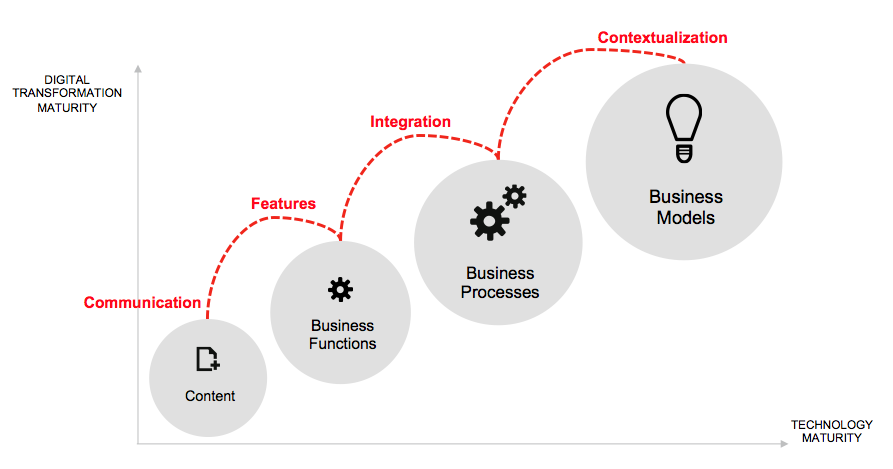
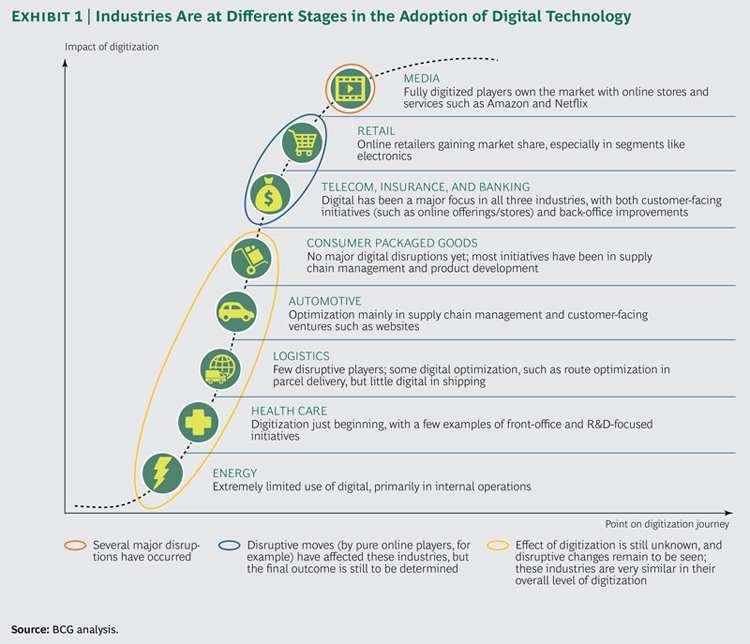
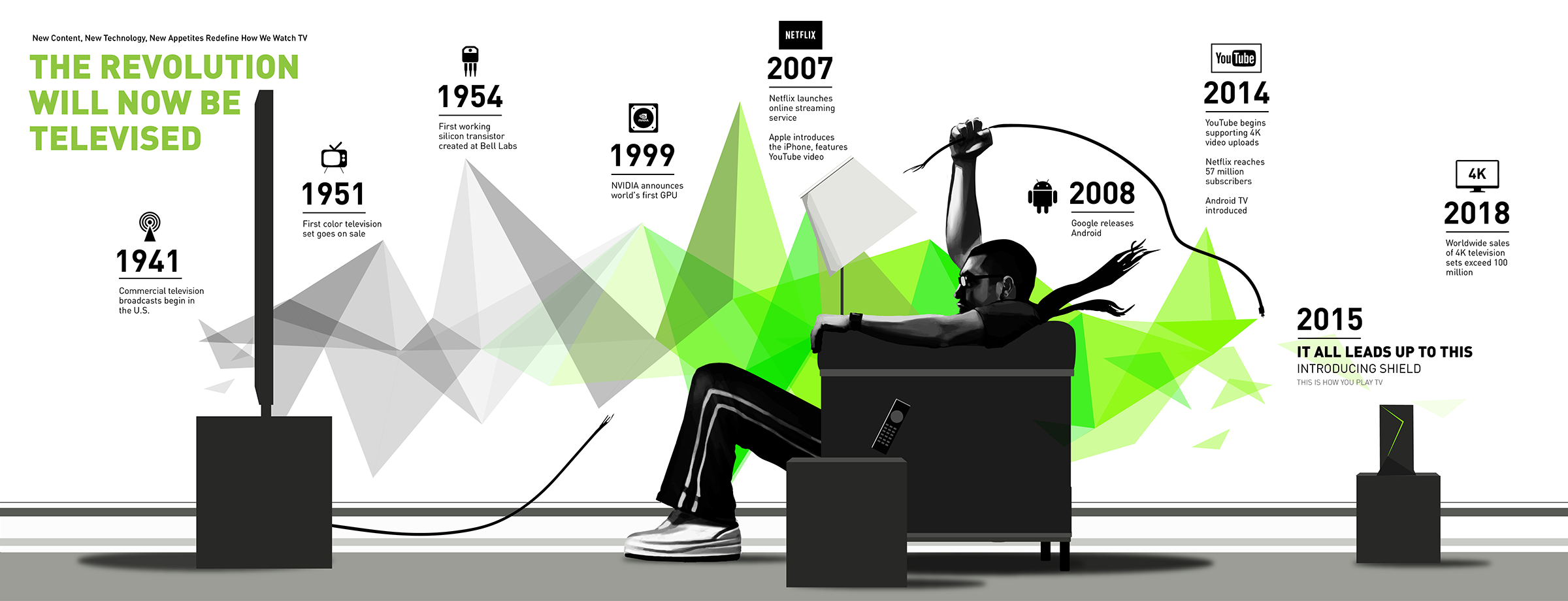
It's been a long while since my last post, and a lot has changed in digital hasn't it? Digital is here to stay, so much so, I've identified three particular areas where this is true, 1) the meaning of digital transformation has changed 2) new paradigms have emerged and 3) what was new before is now business as usual. 1) Meaning of digital transformation has changed - what it means to become a digitally driven enterprise has changed in the last year and a half. Lets face it, being a digital forward organization used to mean, shift more marketing/communications budgets/approaches towards digital and/or digitize what is "offline" to digital and/or pressure from wall street to take advantage of digital to shift to a new business model. Digital Transformation The illustration above probably encapsulates the maturity level and business aspects of the digital transformation to which we applied solutions. We've all been there, either leading and/or supporting, yet it's always catching up or missing a crucial lane here or there which presents a tremendous amount of waste and frustration. We now know that there will always be challenges along the way yet even that mindset has to change. The interpretations presented by Mckinsey, BCG and other consulting shops will have us believe that solving the business problem will enable the change. How-Jump-Start-Digital-Transformation-ex1_large_tcm80-194312 However, in order for large businesses to accelerate digital acumen isn't to ignore the business problem, existing non-digital assets and infrastructure that's driven businesses to growth today but rather understand how to shift to consumer first, tackle the customer pain points and then calibrate the strategy, operations and processes accordingly in a smart, continuous and agile way. 2) New digital paradigms have emerged - Cloud based products, the IoT (Internet of Things) is taking full shape in our lifetime, someone you know has a smart home or a series of connected devices, a hive of communications and a virtual mobile living room. 28infographic-latest Companies are struggling to keep up with the changing landscape and this transformation is happening at various layers, both consumers and employees are looking for products and workplaces that are not tethered. It's inconceivable that before 2012 Snapchat didn't exist or that Netflix would be in the movie business or Alibaba would produce Star Trek Beyond! These forward thinking companies are following the consumer, understanding the behavior and solving for there needs. Snapchat an ardent consumer experience focused company is now growing at a velocity that even Facebook couldn't keep up with. 3) What was new is now business as usual - there isn't a digital revolution, it has come and we are past the digital chasm. More prominently, mobile is the new revolution, it's consuming all that is digital and bringing it to the physical. Smartphones are how we consume, read content, view movies, communicate, work and even pay each other. Mobile Transformers Mobile has been a catalyst to changing consumer behavior, for example we went from active participants, to being witnesses and to now merely sharing experiences to families, colleagues, friends, etc. It's not just changing the consumer mindset but small businesses as well. As an example, small businesses receive from direct feedback from consumers, even collecting payments directly. In essence, they are disintermediating the VISAs and MasterCard. How do businesses tackle this new behavior? What's more, is that it was inconceivable three years ago that Verizon would by AOL, the mere fact that Verizon a telecommunications company would be in the business of culture and advertising. What's changed? Consumer behaviors have given mobile companies a huge leg up and of course the ability to naturally apply continuous learning. I hope that as professionals we're all challenging the notion of business first and thinking about consumer first to understand the natural desire for consumers to be mobile and combing the worlds of digital and physical together.

Can your press releases still be effective? With digital marketing they can!

Tip of IcebergPurist Public Relations professionals need not read further. Why? Google is the Wall Street Journal of the Web. I'm going to discuss the 5 reasons as to why Press Release Optimization is critical to any organization and business considering managing and maintaining their public image. BTW: I'm not a scientist, I'm a professional who's been doing a lot of digital marketing, public relations and search engine optimization for a long time. Traditionally, press releases served to communicate vital information to key members of the media. Classic press releases were distributed to newswires and so on. However, with the proliferation of search engines and social media and the radical adoption of search engines, a new approach has emerged. Many digital marketers have found that press releases are not one dimensional, they can be considered a part of multi-tiered strategy to achieve certain objectives such as creating awareness, driving sales/acquisition and engage customers. Multi-tiered from an targeting stand point: By this I mean, that there are really three types of audiences in order of importance with a focus on "the message" mainly what is it that you are about to communicate?
  • Distribution Channels
  • Members of the Media
  • Constituents
There are two points to keep in mind, 1) distribution channels are dependent upon the media consumption habits of your constituents. By media consumption, I mean, how are your constituents acquiring information. And, 2) distribution is indeed your target audience. Now that I've laid out, high level, the multi-tiered thinking, what we should do is quickly discuss why we're doing this and the data to support it:
  • 75% of the media, according to Jupiter Research, use news search engines.
  • 85% of Americans online use either a search engine or social media, Pew Research
  • Press releases due its content rich nature are naturally search engine friendly
A couple of what if questions. What if you were in the business of a new programmatic advertising technology and a staff writer at Time was doing a roundup of cutting edge programmatic advertising technology who went on Google, did a search for "programmatic advertising companies" and couldn't find your company or press release in the search or news results pages? What if the staff writer, because he/she couldn't find you, didn't know you had an exciting product, went on to write about your competitors and other unknown companies? Then your management reads the article says, hey, we would have been perfect for this round up, what happened? The story above has happened to companies countless times. The PR team have their top-tier lists, yes, you and thousands of other PR firms and individuals are trying to get the big piece of media coverage on a handful of top publications, online or otherwise. Now before you go and edit your release, revisit and audit your boilerplate. Yes, this is a persistent and constant element that will help your press releases bubble to the top. I had a client who wanted their press releases to come up for hotel suites yet they didn't even mention it in the boilerplate a representation of the brand position. Yikes! Now let’s focus on the how to do this on a press release:
  1. Determine the message and who you're communicating to.
  2. Research the appropriate keywords and determine a primary term and a few secondary terms.
  3. Draft copy (minimum 500 words) based on your terms but make sure your primary term is included in the headline.
  4. Determine appropriate anchor links to take folks to appropriate areas of the website.
  5. Decide whether rich media and imagery is appropriate
  6. Select appropriate traditional and online newswires
  7. Setup a search engine ranking solution* and measuring tool** to measure effectiveness of your releases
*Advanced Web Ranking or Webposition ** Google Analytics (it’s practically free) For your enjoyment I pulled this from Wikipedia: "The advent of the Internet has ushered in a new kind of press release known as an optimized press release. Unlike conventional press releases of yore, written for journalists' eyes only, in hopes the editor or reporter would find the content compelling enough to turn it into print or electronic news coverage, the optimized press release is posted on an online news portal. Here the writer carefully selects keywords or keyword phrases relevant to the press release contents. If written skillfully, the press release can rank highly in searches on Google News, Yahoo or MSN News (or the many other minor news portals) for the chosen keyword phrases. Readers of optimized press releases constitute far more than journalists. In the days before news search engines, a press release would have landed only in the hands of a news reporter or an editor who would make the decision about whether the content warranted news coverage. Although the news media is always privy to online press releases in the search engines, most readers are end-users. Optimized press releases circumvent the mainstream media which is formerly—but no longer—the gatekeeper of the news."

2013 round up of programmatic digital marketing and technologies

Programmatic Spending While we've been fascinated with the development of programmatic digital marketing & advertising the past year, there have been major technology related advancements in 2013. From, Elon Musk's high speed transport system to democratization of big data and, well, everything in-between. From Microsoft finding finally itself vis-a-vis Windows mobile to the quantifiable self and of course how can we forget the wearable technology goodness of such stuff as Google Glass. It's nice to see that technology is enabling enabling us to do more and that there are indeed pioneers and innovators of our century. 2014 will be a year of practicality, we hope, as it would be nice to see enterprises and consumers, pros and otherwise start consuming the new stuff practically and helping the innovators continue the journey of truly taking technology to new heights! So, I thought it'd be good to still kick off the new year with a round up of relevant 2013 technology and advertising coverage from various publications we enjoy reading:
  1. AdExchanger - The Programmatic Year That Was: AdExchanger's Best of 2013
  2. AdWeek - Adweek.com's Top 10 Technology Stories of 2013
  3. iMedia Connection - The Bold Ways Marketing Evolved in 2013
  4. Mashable - The Most-Searched Entertainment Electronics of 2013
  5. The Verge - The Year In Review:  the biggest stories of 2013
Background By the way, programmatic generally is the automation of the buying and selling of desktop display, video, paid social and mobile ads. Programmatic capabilities are dependent on the maturity of a country's advertising market, for example, Programmatic is widely available in the US a developed market whereas, it's rare in APAC countries as they are developing. Forbes - Programmatic Advertising - My Curious Quest Continues NY Times - The New Algorithm of Web Marketing NY Times - Elon Musk Unveils Plans for Hyperloop High-Speed Train This is merely a smidgen of what we've accomplished, just think how much we've done and how much more we can achieve. I'm bullish about everything programmatic, of course selfishly, I'm hoping advertising and marketing becomes more and more automated where we as marketers and business folk can focus on higher order elements and return to listening to our customers versus chasing the proverbial conversion rate and so on. Feel free to send me any articles you think would complement this round up and most of all enjoy!

Agile principles in digital marketing and acquisition

Agile Software Development methodologyIn the past decade or two, I've had the opportunity to truly explore and learn more about the "supply chain" of digital marketing through the lens of an agency and from the view of an in-house digital marketing executive. I've also had the opportunity to work within the top most important verticals such as Financial Services, Travel & Hospitality and Retail and learn about the opportunities and challenges each have faced to deliver high-fidelity digital strategy to drive business growth. What I've learned is that in every experience I couldn't help seeing a tale of two cities, on one hand organizations stumbling into adopting agile software development methodologies while on the other hand, marketing organizations working to adopt waterfall methods. Ironically, real-time digital marketing is the very essence of what agile is all about, how else could you possibly deliver on its promise, operationally and to scale up? We just don't think to apply the very ingredients that have made agile a success in software and product development the past decade to marketing and in particular to digital transformation. That got me to thinking, why not share my view and craft principles that have helped me and cross-functional teams where ever I've been to balance and deliver the productivity, quality and delivery of great service, particularly, if you think about service as a software. The leap then to applying great software development principles is easier to digest. Would love your comments or thoughts and of course before I do that, I thought it'd be good for me to copy/paste Wikipedia's description of Agile Development: "Agile software development is a group of software development methods based on iterative and incremental development, where requirements and solutions evolve through collaboration between self-organizing, cross-functional teams. It promotes adaptive planning, evolutionary development and delivery, a time-boxed iterative approach, and encourages rapid and flexible response to change. It is a conceptual framework that promotes foreseen interactions throughout the development cycle. The Agile Manifesto[1] introduced the term in 2001." Source: Wikipedia A few prerequisites to align on within your organization: a) Clearly define who your customers are. Invariably they will be the consumers of the work your team delivers b) Establish what your service, product and deliverable (example deliverable could be a report) are meant to provide c) Facilitate feedback and change Principles for Digital Marketing In An Agile World
  1. Our highest priority is to satisfy the customer through rapid and continuous delivery of valuable services and deliverables
  2. Welcome changing requirements, even late in development. Agile processes harness change for the customer's competitive advantage.
  3. Deliver high quality working services and deliverable frequently, from a couple of weeks to a couple of months, with a preference to the shorter timescale and rhythm.
  4. Business people, technology, analyst and developers must work together daily throughout a project.
  5. Build projects around motivated team members. Provide them the environment and support they need, and trust them to get the work done.
  6. Make face-to-face conversations mandatory as its the most efficient and effective method of conveying information to and within a team.
  7. Functional services and regular deliverable is the primary measure of progress.
  8. Agile processes promote sustainable development. The sponsors, developers, and users should be able to maintain a constant pace indefinitely.
  9. Continuous attention to technical excellence and good design enhances agility.
  10. Simplicity--the art of maximizing the amount of work not done--is essential.
  11. The best architectures, requirements, and designs emerge from self-organizing teams.
  12. At regular intervals, the team should reflect on how to become more effective, then tune and adjust its process and behavior accordingly.
  13. Communicate what's work and what has not including how the team will adjust it's process and behavior
Update June 23, 2013: CMO.com published an interesting piece a couple of months after my post, unrelated of course, that I thought I'd share. The gist is similar, however, it's primarily agile in marketing versus Agile In Action: How Four Brands Are Using Agile Marketing

Does your organization enable digital marketing innovation in this new era?

New-HeightsFolks, it's been awhile since I posted something and there is generally no good reason not to. Let's face it, we're all busy trying to figure out what 2013 will bring to us. I thought I'd share a point of view on a particularly interesting topic, "Innovation" or in my world, specifically, "digital marketing innovation" and how an organization can encourage it. the cliche that change is constant is a nagging truth. With the daily barrage of information and ideas, how do we as business leaders fuel innovation and as a result growth? Digiday just ran a piece on just how Intuit does it and here are a couple of highlights: 1) Your organization should be somewhat dynamic 2) Develop processes and guidelines to facilaite regular cross-training or swapping opportunities. There is no reason to prevent a finance person to consider marketing and vice versa! 3) Make sure that you're collecting the feedback as staff swap roles, i.e. work with them to build case studies and learning Here's the full Digiday article: Why Intuit Encourages Job Swaps

When should you be a general manager versus a subject matter expert?

We all have a few "real life" examples of when we were required to modulate our approach in certain situations between putting a general manager hat on versus your expert hat on. Hindsight is 20/20 and while we take it for granted, you can learn a ton from past mistakes. In the end, I believe that you should be yourself and focus on doing the right thing. The scenario is this: You work for a superb company, the company is filled with phenomenal individuals with a diverse set of cross-functional skills and experience. You're presented with a situation that needs you to press the pause button on your domain expertise and years of experience to support a solution a key collective of individuals within the organization is advocating. The right thing to do: Easily said than done and always consider the short and long term implications of your behavior as well as actions. Show that you trust your key partners and empathize so that their ideas coupled with yours could be a much more powerful alternative to consider.  Key here is "empathy" and you'll see you'll elevate to the general manager approach and ultimately your colleagues will value your inputs. Feel free to share your stories so that we can learn and be informed about how to improve our collective general management skills.