Category: Digital Strategy

Are marketing funnels becoming obsolete?

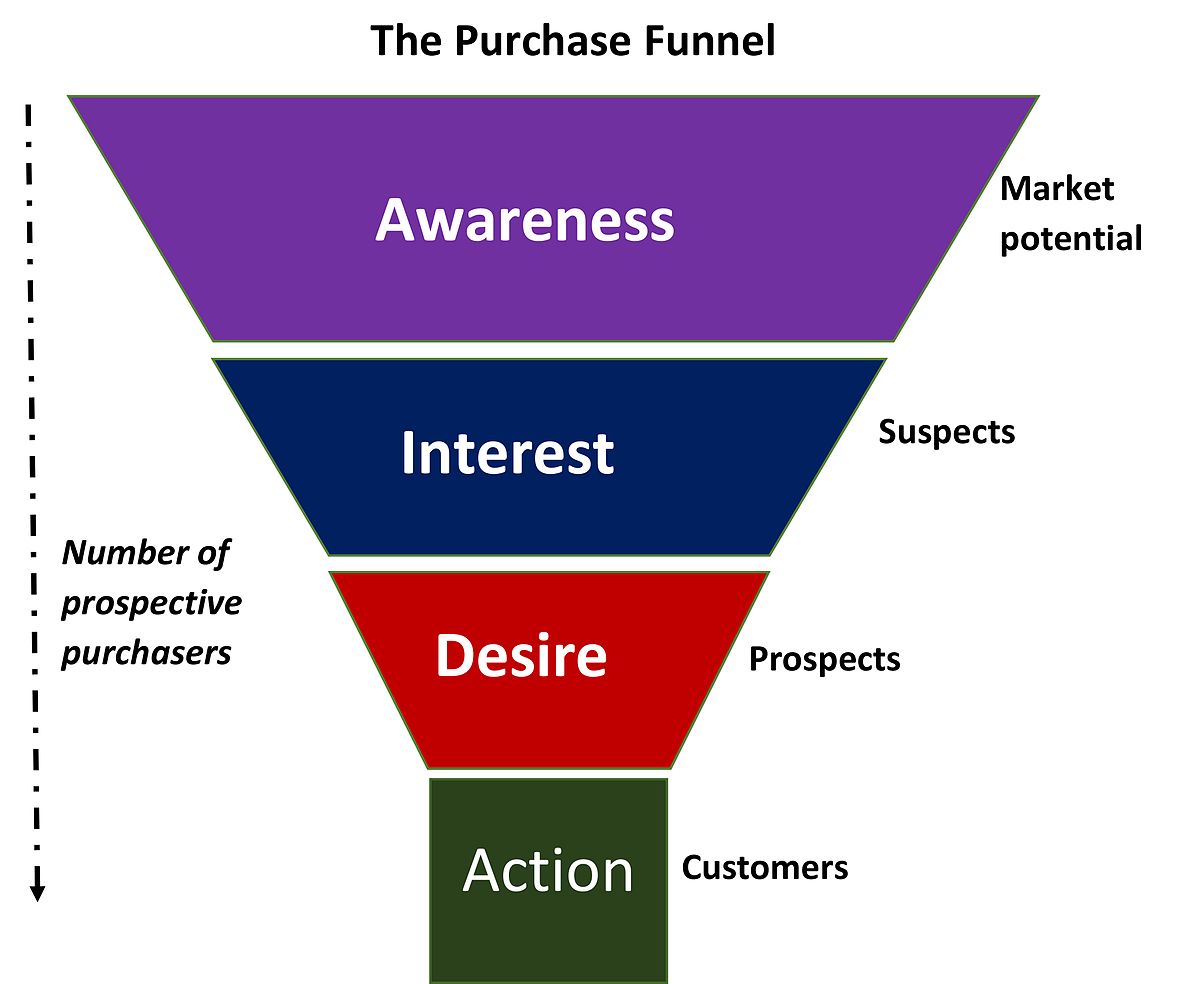
For years, we've built growth strategies around the classic funnel: Awareness → Interest → Desire → Action. Track drop-offs, eliminate friction, optimize conversion rates. Simple, measurable, effective.

But as AI anticipates user intent and one-click checkouts compress entire purchase journeys, I'm questioning whether the next generation of marketers will even think in funnels.

Here's what's shifting my perspective:

When Duolingo added streak freezes and achievement badges, their retention actually improved despite adding "friction" to the experience. Users who worked through these extra steps showed 40% higher long-term engagement than those who breezed through a streamlined onboarding.

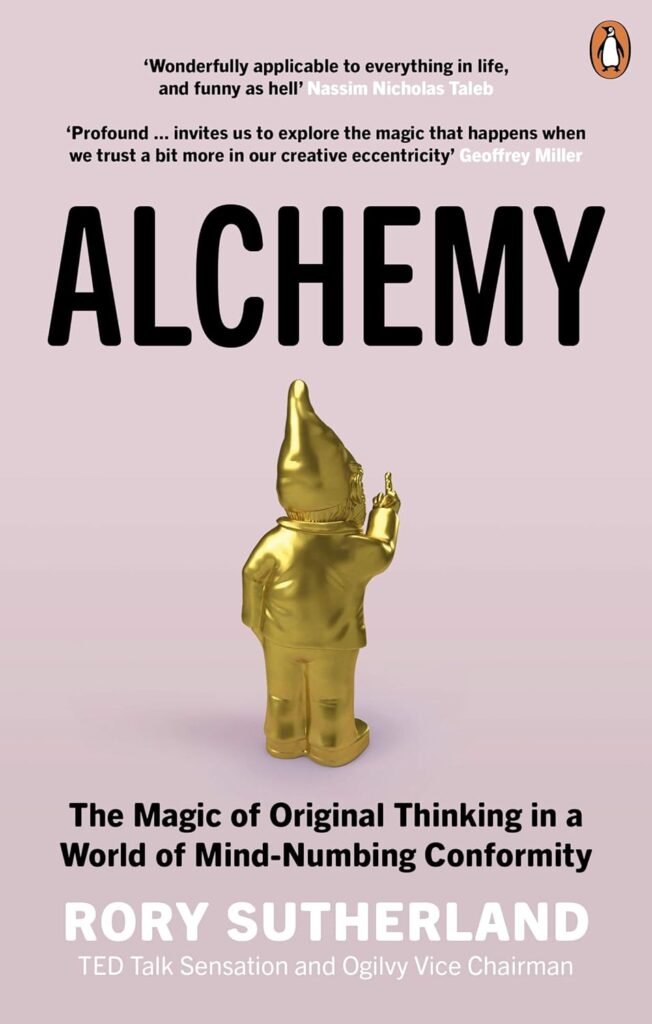
This aligns with what Rory Sutherland argues in Alchemy: humans aren't rational calculators. We value what we work for. A quiz that helps users discover their "marketing personality type" might slow conversion, but it can dramatically increase commitment to your product.

Similarly, John List's research in The Voltage Effect shows that what works in small tests doesn't always scale. Removing a single form field might boost conversions 15% in your pilot, but when rolled out broadly, it could attract lower-intent users who churn faster, ultimately hurting lifetime value.

The real insight? Friction isn't the enemy irrelevant friction is.

The companies winning today aren't just optimizing for conversion rates. They're optimizing for the right conversions. They understand that a 5% drop in top-of-funnel conversion might be worth it if it leads to 25% higher retention and customer satisfaction.

So funnels aren't dead they're evolving.

Instead of pushing everyone through the same pipe, we're learning to design intelligent friction that filters for intent while removing barriers that genuinely don't serve the customer experience.

The question isn't whether to use funnels, but how to balance friction and flow to attract customers who will actually succeed with your product.

What's your experience? Have you found cases where adding steps improved your long-term metrics?

#GrowthMarketing #CustomerExperience #ConversionOptimization #BehavioralScience

What gives in OOH advertising spend?

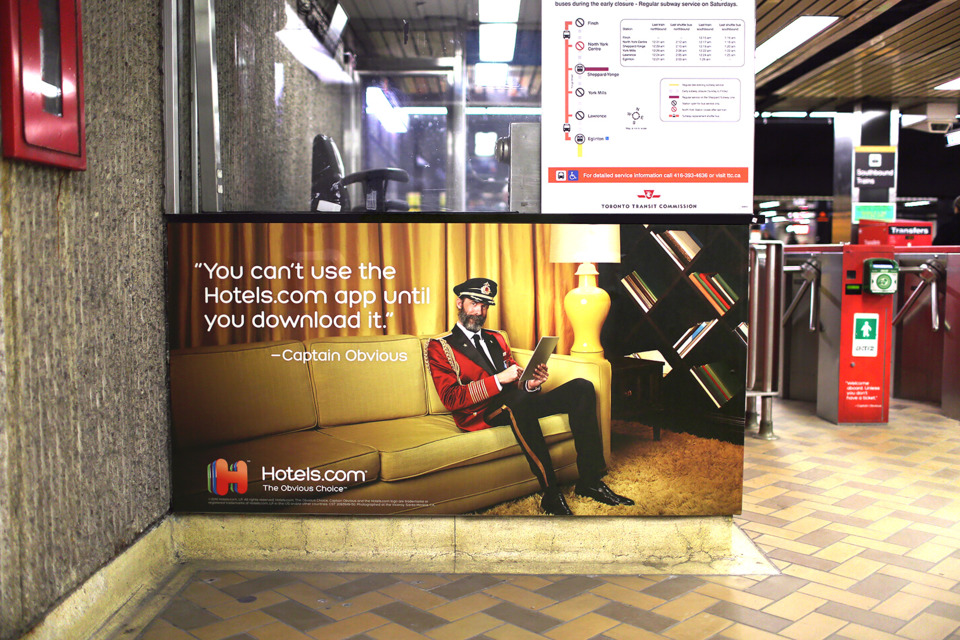
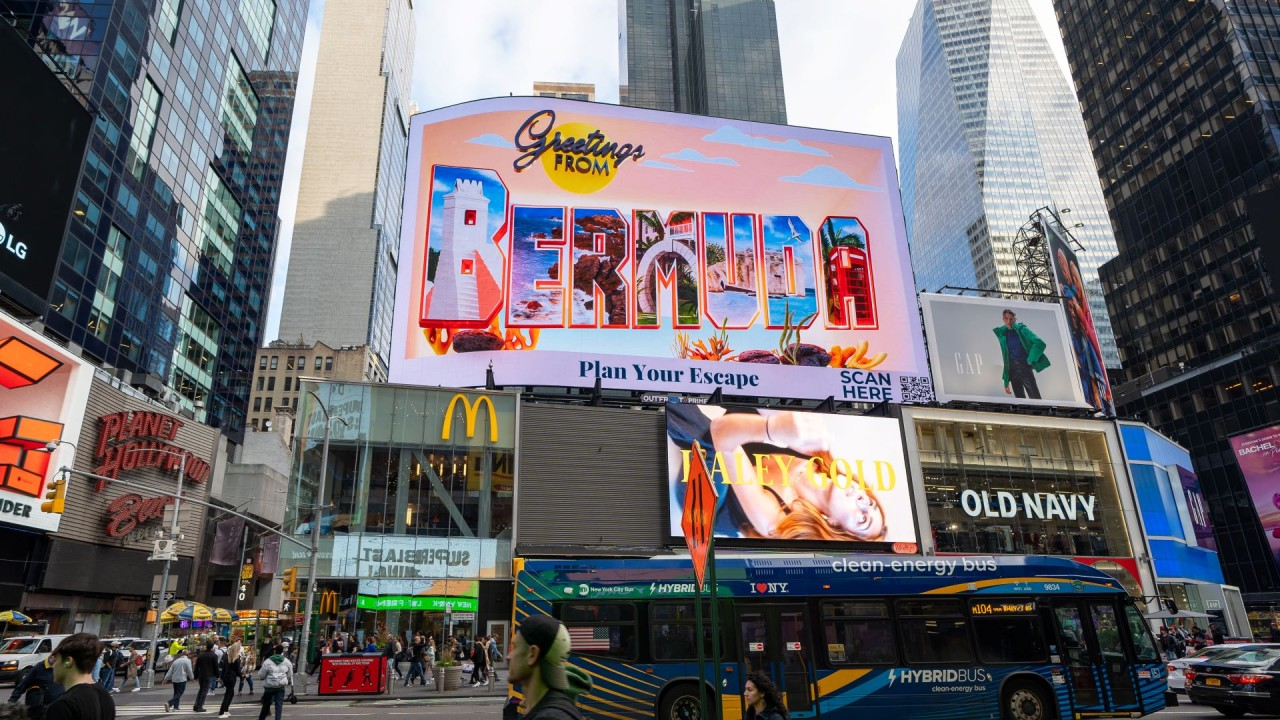
2023 is nearly here, we are all returning to work and increasing business travel, I've been bombarded by (OOH) ads. Per, Wikipedia, "Out-of-home (OOHadvertising, also called outdoor advertisingoutdoor media, and out-of-home media, is advertising experienced outside of the home. This includes billboards, wallscapes, and posters seen while "on the go". It also includes place-based media seen in places such as convenience stores, medical centers, salons, and other brick-and-mortar venues. OOH advertising formats fall into four main categories: billboards, street furnituretransit, and alternative."

Looking at advertising spend in OOH, its intuitive that it should grow, particularly digital OOH (dOOH). Yet traditional OOH spend still accounts for an overwhelming 70.8% of total spend while dOOH still sits at ~30% (see link to Insider Intelligence for more data)

Furthermore, there's a ton of programmatic dOOH as well with dOOH expected to grow nearly 40% by 2026 (source: Out of Home Advertising Association of America), curious to hear from performance marketers and #DTC advertising leaders; is dOOH a focus in 2023 for you and beyond?

Some key concepts taking shape in 2023 within the general OOH space with dOOH making things more interesting

Storytelling - Not surprising but this is a general trend within the performance marketing trends. Advertisers will focus on how to bring a cohesive advertising campaign to life in a physical setting, understanding the audience segments tied to the placements for OOH.

Integration - OOH are beacons not just billboards made of print or digital LCD expressions. We'll see smart dOOH advertising tactics that geo-fence and target opted in consumers to take advantage of the experience in more vivid detail, whether it's the continuation of the story or activating an attractive offfer.

Measurement - Goes without saying but any good performance marketer or advertiser will bring in ways to understand sales lift direct or indirect to effectively measure the ROI and profitability of the dOOH campaign.

If dOOH is not part of your advertising strategy, why? If so, how? Which platforms are primed to support programmatic dOOH? Reply to me directly, would love to hear how your organization is handling DOOH in the coming months and years.

Here's the latest from Insider Intelligence, How OOH ad spend is evolving - Insider Intelligence Trends, Forecasts & Statistics

Facebook and Cambridge Analytica concerns that may impact social and digital marketing

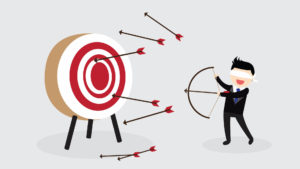
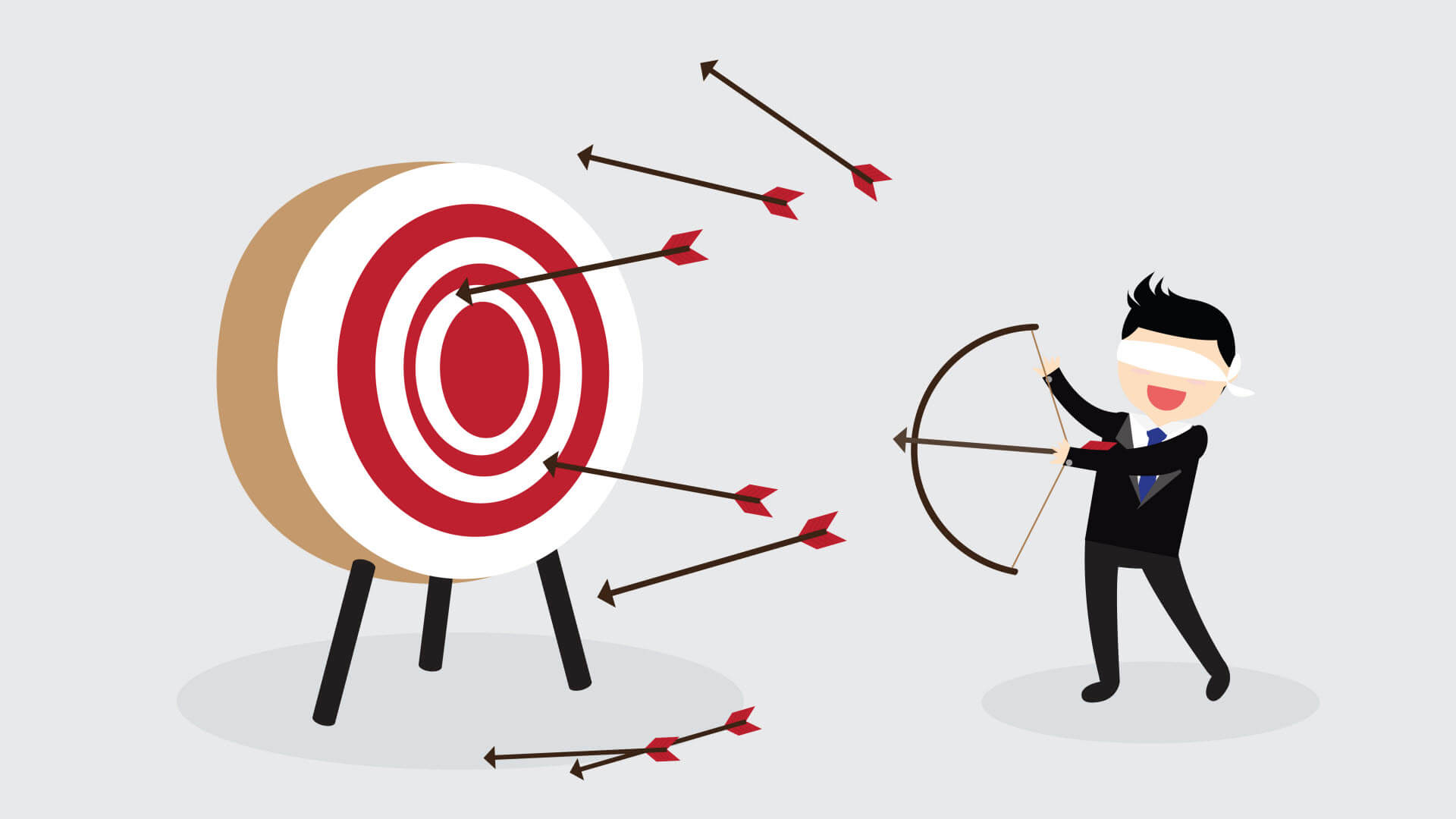
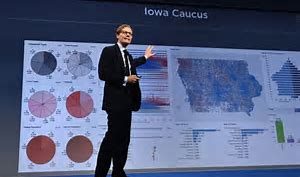
Sorry about the ominous title but there is a concern around what’s happening in the digital world specifically relating to social media. Furthermore, it’s getting more attention due to the “Trump Bump” and it’s not good, it isn’t just about stocks, and has expanded into just about anything related to Trump as well as some recent news has a lot of people now talking about Facebook. If you're like me, own Facebook stock, recently saw $60 billion get wiped off the books and tech stocks getting hammered then it's important to understand what is going on. Here’s my super simplified FAQ which will source and cover as much of the media as well as bringing in my experience to help you understand just what’s going on. Please pardon the grammar and typos! Who is Cambridge Analytica? Founded in 2013, Cambridge Analytica (CA) is a privately held data research and marketing company that was created as a commercial solution with the goal of supporting US politics. It’s partly owned by the Robert Mercer family who also happens to be a backer of Breitbart.com and Trump. Cambridge Analytica was involved in over 50 US political races since 2014 and have primarily to my knowledge supported hyper-conservative candidates. How did Facebook and Cambridge Analytica start working together? The gist of the Cambridge Analytica relationship began with Ted Cruz in 2015 where he utilized its services during the 2015 Republican primaries and of course lost to Trump. Ted Cruz was supported by Robert Mercer during that time and having a large stake in Cambridge Analytica it shouldn’t be a surprise that Trump’s campaign team, after Cruz’s loss was backed by Mercer. Went with Cambridge Analytica. From there, not surprisingly, Steve Bannon who according to Christopher Wylie, the firm's director of research, wanted “weapons for a culture war” that Facebook would be platform from which the culture influence could begin. So, Steve Bannon, Jared Kushner and Giles Parscale, Trump’s Director of Digital, went to Facebook and partnered with them to create a digital command and control data operation with Facebook’s organic and advertising products at its fingertips. Why was Facebook working with Cambridge Analytica? This part is unclear as of yet but of course the idea of supporting a major candidate, the potential commercial arrangement and the learning certainly would be a fantastic incentive for any large-scale platform. Where did they get the personally identifiable information? First, information about us can be attained across all of the breadcrumbs we leave as we “surf the web” hop between mobile and desktop in fragmented ways – this is nothing new and we marketers know this. Facebook is such an environment where you conceivably are able to track all of the web 1.0 information but add the interests, behavioral, psychographic and social graphs you essentially have a fantastic opportunity to personalize the information to trigger an action or transaction. Typically the personalization is grounded by an advertiser’s 1st party data, such as a first name, last name, email address, phone number, or in some cases a social security number, which Facebook actually collects. They then allow based on their terms of service to match this 1st party data to the Facebook community and create lookalikes or custom audiences that can then be marketed to. The lookalike modeling is standard fare digital marketing on Facebook because it doesn't have the same accuracy of custom audiences and hence it is a bit like targeting a dartboard blindfolded.Digital marketing blindfolded Any smart advertiser knows that simply targeting using Facebook's audiences to create lookalike models isn't as effective, takes a long time to analyze and is extremely costly. In Cambridge Analytica's case, they have admited they used 1st party data and a Facebook executive even claimed they used custom audiences. That's all well and good, however, there is a serious question around how they procured their database of “first party data” without the knowledge of consumers. There is also a big question surrounding how they could have extracted that information from Facebook and stored them in a database without the knowledge of Facebook. This is a highly dangerous situation, whether you are in the US, CA or the EU. Both Facebook and Cambridge Analytica may be in legal jeopardy depending on how the database information was harvested. Based on media reports, Dr. Aleksander Kogan and his GSR (Global Science Research), paid people using Amazon's Mechanical Turk to do a "personality assessment" on Facebook. The code used in the “personality assessment” app on Facebook exposed information of approximately 270,000 people their personal information and that of their entire social graph. GSR then created a database out of that information and shared it with Cambridge Analytica. Cambridge Analytica was then able to expand this to approximately 50 million US Facebook users. Dr. Aleksander Kogan has insisted that he had very clear terms of service that allowed him to legally get personally identifiable information from Facebook users. The issue here as we know, as marketers, that even large-scale advertisers spending billions of dollars a year are not able to extract information from Facebook it’s only a push and match. Was Facebook aware of the harvesting of personal information? The answer as of March 20th according to an ex-Facebook insider, reported by the Guardian, data harvesting by 3rd parties was rampant, but executives pretended it didn’t happen. unclear but as advertisers we need to be diligent about how we collect and track information. We should be interested in Facebook’s actions and whether we are satisfied that it resolves the many concerns advertisers and their customers would have. Imagine if your competitor created a simple assessment app, targeted a range of people and were able to ascertain your customer set and conquest them privately? If there is a platform hole technologically or Terms of Service (ToS) related, then it needs to be opened further or closed. It cannot be for selective entities. How will this impact digital marketing and social media? Specifically, Facebook has seen a ~$60B drop in their books because of a decline in their share value. We’re also seeing discussions in scaling back advertising spend while this current issue blows over. While I haven’t surveyed many consumers, we do know that, unrelated to this, many celebrities such as Jim Carey have begun to shutdown Facebook. This could create an inflationary effect on the cost of advertising across Facebook’s ecosystem, something we won’t know for a few weeks. We do know that the agency and DSP worlds have been inundated with transparency, data privacy and fraud issues which many have addressed. However, there is no doubt that many brands will question every decusion related to the usage of Facebook. As a result, I believe this will have a chilling effect on our industry unless Facebook and potentially a third party investigative body gets to the bottom of this. Our industry leaders Internet American Association of National Advertisers (ANA), Adverting Bureau (IAB), International Advertising Association (IAA) should take a proactive step in working together. What steps are being taking to address this from an agency and brand standpoint? At this stage, Facebook has suspended Cambridge Analytica’s accounts, the British government has procured a warrant to seize any available data, software and hardware to assess further damage as well as forensically investigate the situation. In the US, the Massachusetts Attorney General has opened an investigation into Cambridge Analytica. Our Federal Trade Commission is also investigating whether violated any previous privacy orders using Facebook. Yet, we have not heard from Mark Zuckerberg nor Sheryl Sandberg on this matter. We have also not heard from other platforms such as Twitter, Google and Snapchat. The good news is that many of the advertising associations are in the process of providing “rules of engagement” regarding Facebook and a universal checklist essentially a simplified version of the GDPR process which will alleviate any delays into impact to brands and their customers as well the agencies supporting them. The issue of course is limited to the procurement, handling and usage of customer data. The story is unfolding and there are many things not known but such is our business! If anyone has any questions or would like to add any corrections to this piece feel free to let me know. Sources:
  • The Guardian https://www.theguardian.com/news/2018/mar/17/data-war-whistleblower-christopher-wylie-faceook-nix-bannon-trump
  • Digital Guardian: https://digitalguardian.com/blog/what-gdpr-general-data-protection-regulation-understanding-and-complying-gdpr-data-protection
  • The Guardian: https://www.theguardian.com/news/2018/mar/20/facebook-data-cambridge-analytica-sandy-parakilas?CMP=Share_AndroidApp_Tweet
  • The New York Times: https://www.nytimes.com/2018/03/19/technology/facebook-cambridge-analytica-explained.html
  • Wired: https://www.wired.com/story/the-noisy-fallacies-of-psychographic-targeting/
  • Facebook ad policy: https://business.facebook.com/policies/ads
  • Money Watch: https://www.cbsnews.com/live-news/facebook-under-fire-the-latest-on-cambridge-analytica-scandal-live-updates/
Era of mobile transformation

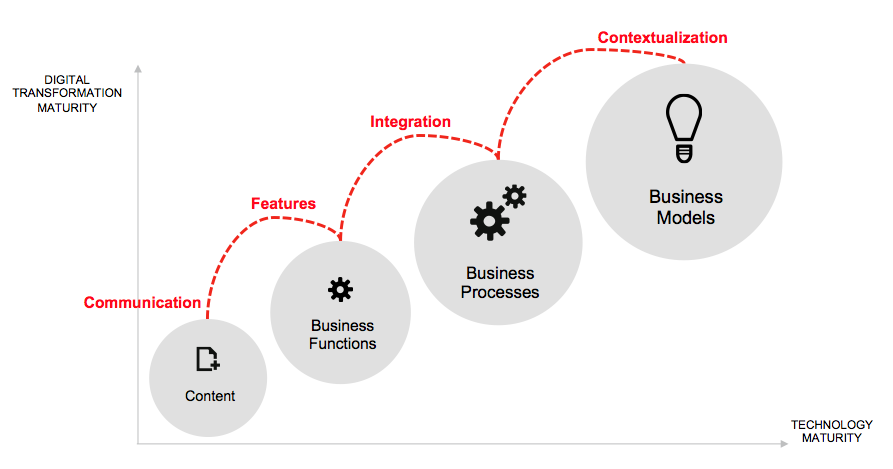
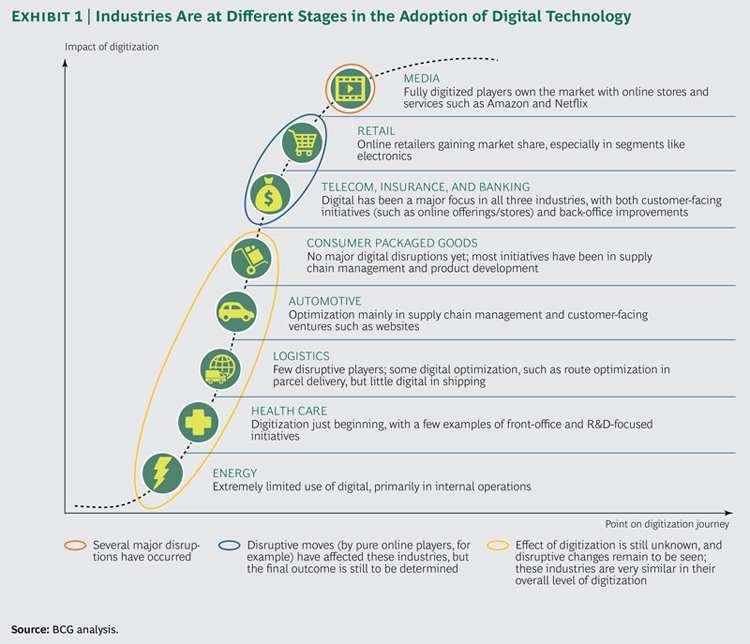
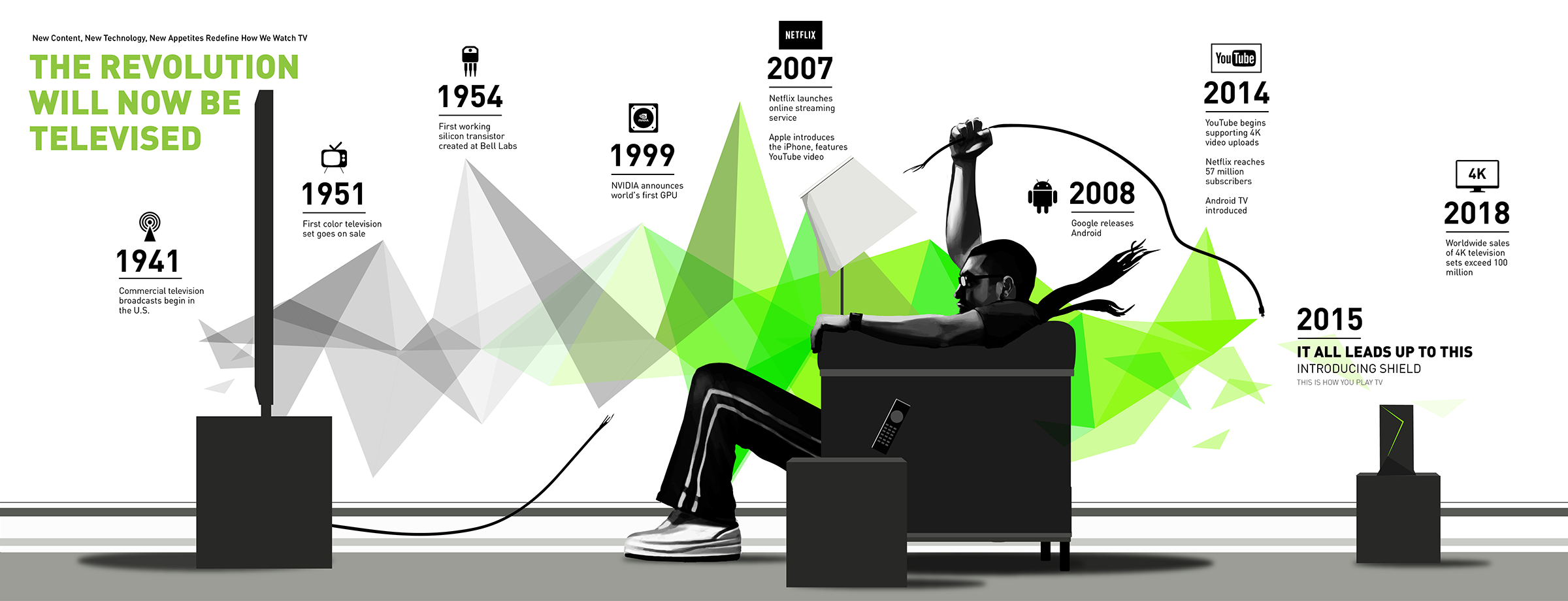
It's been a long while since my last post, and a lot has changed in digital hasn't it? Digital is here to stay, so much so, I've identified three particular areas where this is true, 1) the meaning of digital transformation has changed 2) new paradigms have emerged and 3) what was new before is now business as usual. 1) Meaning of digital transformation has changed - what it means to become a digitally driven enterprise has changed in the last year and a half. Lets face it, being a digital forward organization used to mean, shift more marketing/communications budgets/approaches towards digital and/or digitize what is "offline" to digital and/or pressure from wall street to take advantage of digital to shift to a new business model. Digital Transformation The illustration above probably encapsulates the maturity level and business aspects of the digital transformation to which we applied solutions. We've all been there, either leading and/or supporting, yet it's always catching up or missing a crucial lane here or there which presents a tremendous amount of waste and frustration. We now know that there will always be challenges along the way yet even that mindset has to change. The interpretations presented by Mckinsey, BCG and other consulting shops will have us believe that solving the business problem will enable the change. How-Jump-Start-Digital-Transformation-ex1_large_tcm80-194312 However, in order for large businesses to accelerate digital acumen isn't to ignore the business problem, existing non-digital assets and infrastructure that's driven businesses to growth today but rather understand how to shift to consumer first, tackle the customer pain points and then calibrate the strategy, operations and processes accordingly in a smart, continuous and agile way. 2) New digital paradigms have emerged - Cloud based products, the IoT (Internet of Things) is taking full shape in our lifetime, someone you know has a smart home or a series of connected devices, a hive of communications and a virtual mobile living room. 28infographic-latest Companies are struggling to keep up with the changing landscape and this transformation is happening at various layers, both consumers and employees are looking for products and workplaces that are not tethered. It's inconceivable that before 2012 Snapchat didn't exist or that Netflix would be in the movie business or Alibaba would produce Star Trek Beyond! These forward thinking companies are following the consumer, understanding the behavior and solving for there needs. Snapchat an ardent consumer experience focused company is now growing at a velocity that even Facebook couldn't keep up with. 3) What was new is now business as usual - there isn't a digital revolution, it has come and we are past the digital chasm. More prominently, mobile is the new revolution, it's consuming all that is digital and bringing it to the physical. Smartphones are how we consume, read content, view movies, communicate, work and even pay each other. Mobile Transformers Mobile has been a catalyst to changing consumer behavior, for example we went from active participants, to being witnesses and to now merely sharing experiences to families, colleagues, friends, etc. It's not just changing the consumer mindset but small businesses as well. As an example, small businesses receive from direct feedback from consumers, even collecting payments directly. In essence, they are disintermediating the VISAs and MasterCard. How do businesses tackle this new behavior? What's more, is that it was inconceivable three years ago that Verizon would by AOL, the mere fact that Verizon a telecommunications company would be in the business of culture and advertising. What's changed? Consumer behaviors have given mobile companies a huge leg up and of course the ability to naturally apply continuous learning. I hope that as professionals we're all challenging the notion of business first and thinking about consumer first to understand the natural desire for consumers to be mobile and combing the worlds of digital and physical together.

2013 round up of programmatic digital marketing and technologies

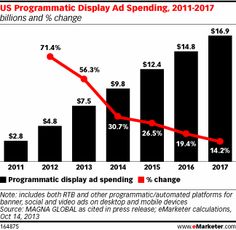
Programmatic Spending While we've been fascinated with the development of programmatic digital marketing & advertising the past year, there have been major technology related advancements in 2013. From, Elon Musk's high speed transport system to democratization of big data and, well, everything in-between. From Microsoft finding finally itself vis-a-vis Windows mobile to the quantifiable self and of course how can we forget the wearable technology goodness of such stuff as Google Glass. It's nice to see that technology is enabling enabling us to do more and that there are indeed pioneers and innovators of our century. 2014 will be a year of practicality, we hope, as it would be nice to see enterprises and consumers, pros and otherwise start consuming the new stuff practically and helping the innovators continue the journey of truly taking technology to new heights! So, I thought it'd be good to still kick off the new year with a round up of relevant 2013 technology and advertising coverage from various publications we enjoy reading:
  1. AdExchanger - The Programmatic Year That Was: AdExchanger's Best of 2013
  2. AdWeek - Adweek.com's Top 10 Technology Stories of 2013
  3. iMedia Connection - The Bold Ways Marketing Evolved in 2013
  4. Mashable - The Most-Searched Entertainment Electronics of 2013
  5. The Verge - The Year In Review:  the biggest stories of 2013
Background By the way, programmatic generally is the automation of the buying and selling of desktop display, video, paid social and mobile ads. Programmatic capabilities are dependent on the maturity of a country's advertising market, for example, Programmatic is widely available in the US a developed market whereas, it's rare in APAC countries as they are developing. Forbes - Programmatic Advertising - My Curious Quest Continues NY Times - The New Algorithm of Web Marketing NY Times - Elon Musk Unveils Plans for Hyperloop High-Speed Train This is merely a smidgen of what we've accomplished, just think how much we've done and how much more we can achieve. I'm bullish about everything programmatic, of course selfishly, I'm hoping advertising and marketing becomes more and more automated where we as marketers and business folk can focus on higher order elements and return to listening to our customers versus chasing the proverbial conversion rate and so on. Feel free to send me any articles you think would complement this round up and most of all enjoy!

Agile principles in digital marketing and acquisition

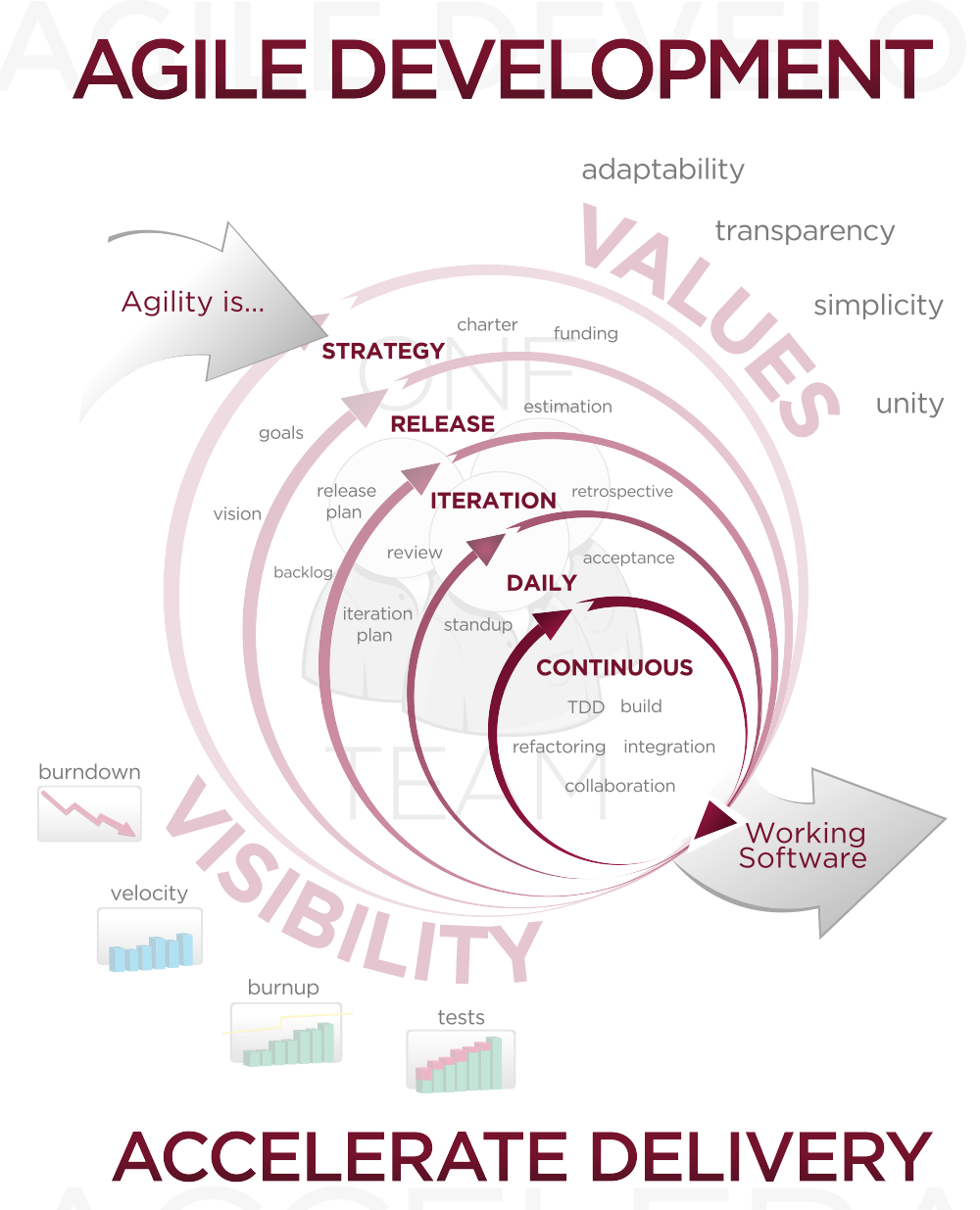
Agile Software Development methodologyIn the past decade or two, I've had the opportunity to truly explore and learn more about the "supply chain" of digital marketing through the lens of an agency and from the view of an in-house digital marketing executive. I've also had the opportunity to work within the top most important verticals such as Financial Services, Travel & Hospitality and Retail and learn about the opportunities and challenges each have faced to deliver high-fidelity digital strategy to drive business growth. What I've learned is that in every experience I couldn't help seeing a tale of two cities, on one hand organizations stumbling into adopting agile software development methodologies while on the other hand, marketing organizations working to adopt waterfall methods. Ironically, real-time digital marketing is the very essence of what agile is all about, how else could you possibly deliver on its promise, operationally and to scale up? We just don't think to apply the very ingredients that have made agile a success in software and product development the past decade to marketing and in particular to digital transformation. That got me to thinking, why not share my view and craft principles that have helped me and cross-functional teams where ever I've been to balance and deliver the productivity, quality and delivery of great service, particularly, if you think about service as a software. The leap then to applying great software development principles is easier to digest. Would love your comments or thoughts and of course before I do that, I thought it'd be good for me to copy/paste Wikipedia's description of Agile Development: "Agile software development is a group of software development methods based on iterative and incremental development, where requirements and solutions evolve through collaboration between self-organizing, cross-functional teams. It promotes adaptive planning, evolutionary development and delivery, a time-boxed iterative approach, and encourages rapid and flexible response to change. It is a conceptual framework that promotes foreseen interactions throughout the development cycle. The Agile Manifesto[1] introduced the term in 2001." Source: Wikipedia A few prerequisites to align on within your organization: a) Clearly define who your customers are. Invariably they will be the consumers of the work your team delivers b) Establish what your service, product and deliverable (example deliverable could be a report) are meant to provide c) Facilitate feedback and change Principles for Digital Marketing In An Agile World
  1. Our highest priority is to satisfy the customer through rapid and continuous delivery of valuable services and deliverables
  2. Welcome changing requirements, even late in development. Agile processes harness change for the customer's competitive advantage.
  3. Deliver high quality working services and deliverable frequently, from a couple of weeks to a couple of months, with a preference to the shorter timescale and rhythm.
  4. Business people, technology, analyst and developers must work together daily throughout a project.
  5. Build projects around motivated team members. Provide them the environment and support they need, and trust them to get the work done.
  6. Make face-to-face conversations mandatory as its the most efficient and effective method of conveying information to and within a team.
  7. Functional services and regular deliverable is the primary measure of progress.
  8. Agile processes promote sustainable development. The sponsors, developers, and users should be able to maintain a constant pace indefinitely.
  9. Continuous attention to technical excellence and good design enhances agility.
  10. Simplicity--the art of maximizing the amount of work not done--is essential.
  11. The best architectures, requirements, and designs emerge from self-organizing teams.
  12. At regular intervals, the team should reflect on how to become more effective, then tune and adjust its process and behavior accordingly.
  13. Communicate what's work and what has not including how the team will adjust it's process and behavior
Update June 23, 2013: CMO.com published an interesting piece a couple of months after my post, unrelated of course, that I thought I'd share. The gist is similar, however, it's primarily agile in marketing versus Agile In Action: How Four Brands Are Using Agile Marketing