Category: General Management

Are marketing funnels becoming obsolete?

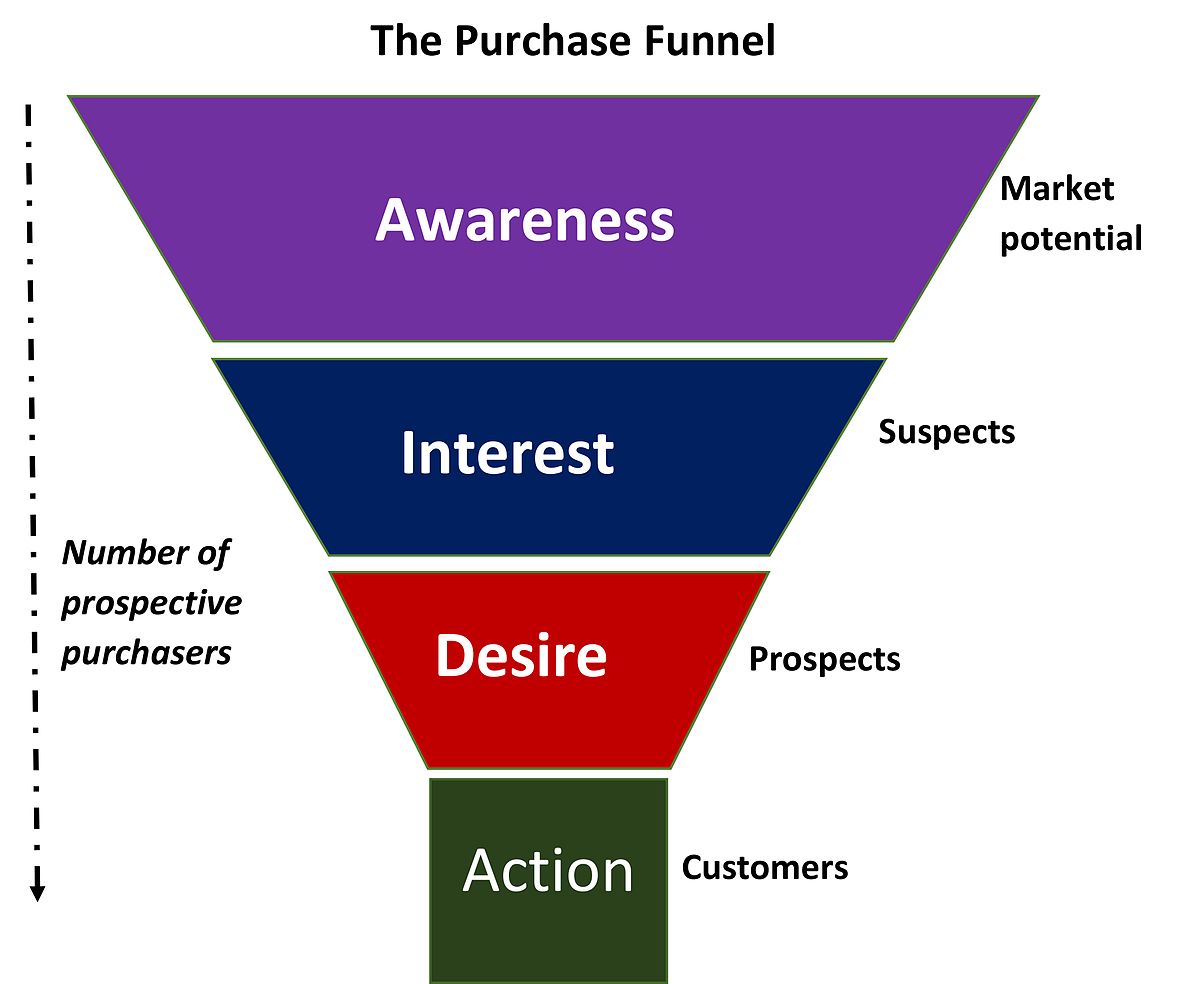
For years, we've built growth strategies around the classic funnel: Awareness → Interest → Desire → Action. Track drop-offs, eliminate friction, optimize conversion rates. Simple, measurable, effective.

But as AI anticipates user intent and one-click checkouts compress entire purchase journeys, I'm questioning whether the next generation of marketers will even think in funnels.

Here's what's shifting my perspective:

When Duolingo added streak freezes and achievement badges, their retention actually improved despite adding "friction" to the experience. Users who worked through these extra steps showed 40% higher long-term engagement than those who breezed through a streamlined onboarding.

This aligns with what Rory Sutherland argues in Alchemy: humans aren't rational calculators. We value what we work for. A quiz that helps users discover their "marketing personality type" might slow conversion, but it can dramatically increase commitment to your product.

Similarly, John List's research in The Voltage Effect shows that what works in small tests doesn't always scale. Removing a single form field might boost conversions 15% in your pilot, but when rolled out broadly, it could attract lower-intent users who churn faster, ultimately hurting lifetime value.

The real insight? Friction isn't the enemy irrelevant friction is.

The companies winning today aren't just optimizing for conversion rates. They're optimizing for the right conversions. They understand that a 5% drop in top-of-funnel conversion might be worth it if it leads to 25% higher retention and customer satisfaction.

So funnels aren't dead they're evolving.

Instead of pushing everyone through the same pipe, we're learning to design intelligent friction that filters for intent while removing barriers that genuinely don't serve the customer experience.

The question isn't whether to use funnels, but how to balance friction and flow to attract customers who will actually succeed with your product.

What's your experience? Have you found cases where adding steps improved your long-term metrics?

#GrowthMarketing #CustomerExperience #ConversionOptimization #BehavioralScience

Brand Awareness and Market Penetration – A Marathon, Not a Sprint 🏃‍♂️💨

This piece was inspired by a LinkedIN piece and study by Sundar Swaminathan

In the fast-paced world of tech and startups, companies often focus on rapid growth and quick wins. But let’s be real—building a brand that sticks isn’t about sprinting to the finish line. It’s about pacing yourself for the long haul. The story of Uber Eats in 2018 is a perfect example of what happens when a company takes its foot off the gas in the race for brand awareness. While Uber was busy optimizing its ad spend and cutting costs, it inadvertently handed over significant market share to competitors like DoorDash and Grubhub. Today, we’re diving into how Uber’s decision to cut Meta (Facebook) ad spend in 2018 may have backfired, and why building a brand is more like running a marathon than a 100-meter dash. 🏁

Google Trends: Racing Against The Tides 🏁

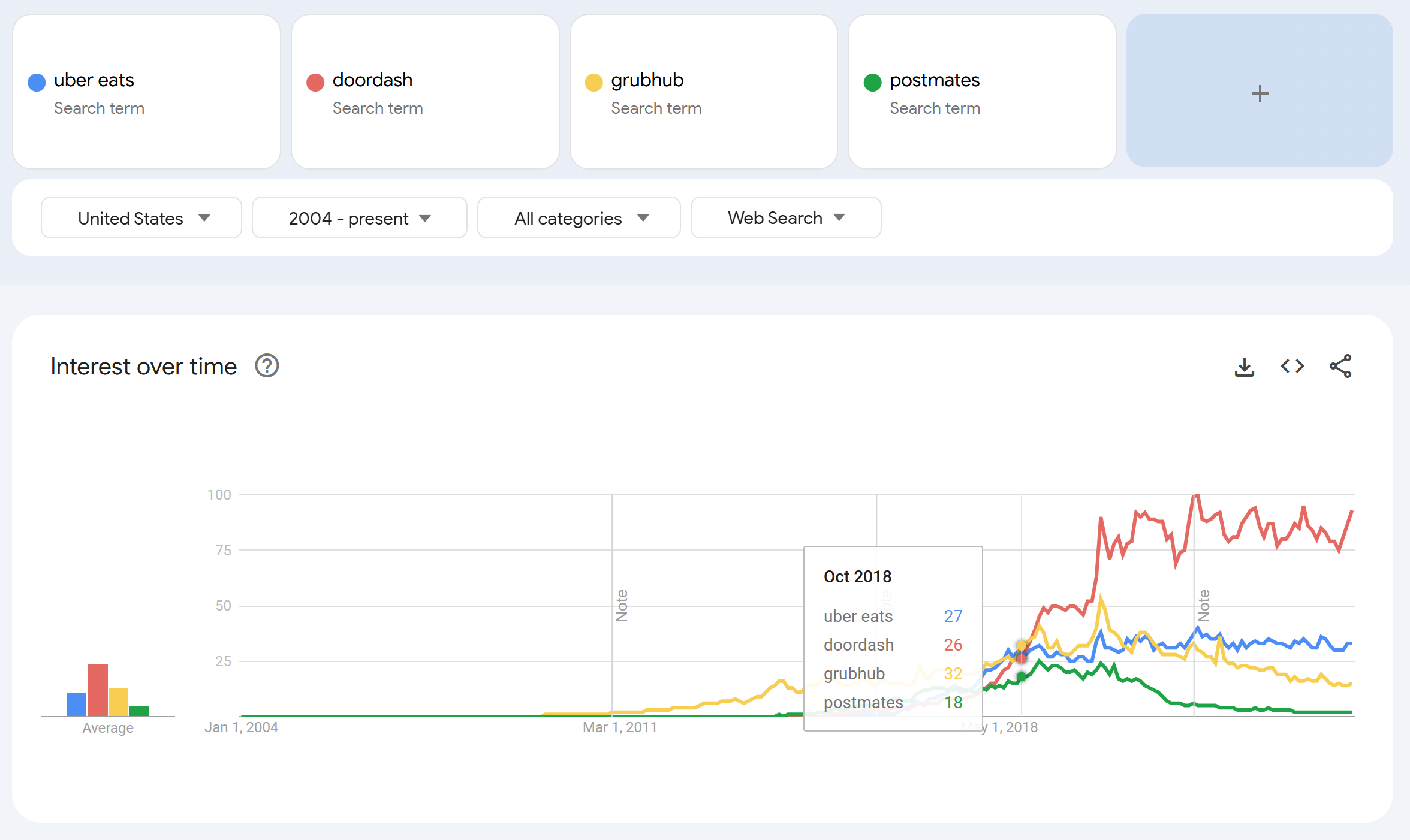
From October 2018 clearly illustrates the pivotal moment when DoorDash surged ahead of Uber Eats in the US food delivery market. While Uber Eats maintained a stable but unremarkable trajectory, DoorDash experienced a significant uptick in search interest, reflecting its growing popularity and market presence. This shift aligns with DoorDash's aggressive expansion strategies, localized marketing campaigns, and customer-centric approach, which resonated strongly with consumers. Meanwhile, Uber Eats, despite its established brand, showed no appreciable change in search interest, suggesting a plateau in its growth. This divergence in trends underscores the importance of continuous brand investment and innovation in maintaining market relevance, as even a brief lapse can allow competitors like DoorDash to seize the lead. 🚀📈

The Context: Uber’s Meta Ad Spend Cut 💸

Back in 2018, Uber made a bold move to cut $35 million in annual ad spend on Meta (Facebook). The decision came from an internal analysis led by Sundar Swaminathan, who was heading up US & Canada Rider Performance Marketing Analytics at the time. The analysis showed that Meta ads weren’t driving new customer acquisition for Uber Rides anymore—the market was pretty much saturated. Uber’s data suggested that almost everyone in North America who was going to use Uber already was, so pouring more money into Meta ads seemed like a waste. 🛑

On paper, it made sense. Save money, right? But here’s the kicker: Uber Eats, the company’s food delivery arm, was still in growth mode. By cutting Meta ad spend, Uber may have weakened its brand presence in the food delivery space, leaving the door wide open for competitors like DoorDash to swoop in and steal the show. 🚪🍔

Uber Eats vs. DoorDash: The Battle for Market Share 🥊

In 2018, DoorDash pulled ahead of Uber Eats to become the second-largest food delivery service in the US, right behind Grubhub. According to Second Measure, a firm that tracks consumer spending, DoorDash’s market share jumped from 17% in January 2018 to 27% by December 2018. Meanwhile, Uber Eats’ share stayed flat at around 20%, and Grubhub held onto the top spot with 34%. 📊

DoorDash’s Secret Sauce 🍔🔥

So, how did DoorDash do it? Well, they didn’t just throw money at the problem. They built a brand that resonated with both customers and delivery drivers. Here’s how:

  1. Customer-Centric Approach: DoorDash focused on delivering a great experience. They offered a wide variety of restaurants, including local favorites, and made sure deliveries were fast and reliable. Their DashPass subscription service was a game-changer, giving frequent users free delivery for a monthly fee. Who doesn’t love a good deal? 🎯
  2. Driver-Friendly Policies: DoorDash knew that happy drivers meant happy customers. They offered competitive pay, flexible hours, and bonuses for working during peak times. This helped them attract and retain a massive pool of delivery drivers, which kept deliveries speedy and customers satisfied. 🚗💨
  3. Localized Marketing: DoorDash didn’t just blanket the country with generic ads. They ran localized campaigns that connected with communities. By partnering with local restaurants and running region-specific promotions, they built a strong local presence that felt personal. 🏘️🍕
  4. Digital Dominance: DoorDash went all-in on Meta (Facebook) and Instagram ads, email marketing, and even influencer partnerships. While Uber was scaling back, DoorDash was doubling down, ensuring their brand stayed top-of-mind for hungry consumers. 📱💻
  5. Storytelling: DoorDash’s marketing wasn’t just about selling a service—it was about telling stories. They highlighted real experiences from customers and drivers, creating an emotional connection that made people feel good about choosing DoorDash. 📖❤️

Did Uber’s Meta Shutdown Help DoorDash? 🤔

Here’s where things get interesting. Uber’s decision to cut Meta ad spend in 2018 may have indirectly given DoorDash a leg up. Here’s how:

  1. Less Competition for Ad Space: With Uber out of the picture, DoorDash had more room to dominate Facebook and Instagram ads. This meant they could reach more potential customers without competing with Uber for attention. 🎯📈
  2. Increased Brand Visibility: As Uber scaled back its marketing, DoorDash’s continued investment in Meta ads likely boosted its brand visibility. This helped DoorDash capture the attention of consumers who might have otherwise gone with Uber Eats. 👀🍔
  3. First-Mover Advantage: Uber’s focus on cost-cutting may have slowed its expansion into new markets, giving DoorDash a first-mover advantage in suburban and rural areas. DoorDash’s aggressive expansion strategy allowed it to establish a strong presence in these regions before Uber could catch up. 🏞️🚀

Other Players in the Game: Postmates and Grubhub 🎮

While DoorDash was making waves, other players like Postmates and Grubhub were also in the mix. Postmates, known for its “deliver anything” model, grew modestly in 2018, going from 10% to 12% market share. They focused on urban markets and partnerships with local businesses, which kept them competitive but not quite as explosive as DoorDash. 🏙️📦

Grubhub, the market leader at the time, held onto its 34% share but started to feel the heat as DoorDash and Uber Eats gained traction. Grubhub’s strategy relied heavily on its first-mover advantage and its large network of restaurant partnerships, but it struggled to keep up with DoorDash’s aggressive growth. 🍴📉

The Big Lesson: Brand Building is a Marathon 🏁

Uber’s experience in 2018 is a cautionary tale for any company thinking about cutting corners on brand building. Here’s the deal:

  1. Market Saturation Isn’t Forever: Even if your market seems saturated, consumer behavior can change. You’ve got to keep investing in brand awareness to stay relevant. 🔄📈
  2. Competitors Never Sleep: In a competitive market, taking your foot off the gas can give your rivals a chance to zoom past you. DoorDash’s rapid growth in 2018 is proof that maintaining a strong marketing presence is crucial. 🏎️💨
  3. Brand Awareness is a Long-Term Game: Building a brand isn’t a one-and-done deal. It’s a continuous effort that requires consistent investment. Companies that treat brand building like a marathon, not a sprint, are the ones that come out on top. 🏃‍♂️🏆

Conclusion 🎬

Uber’s decision to cut Meta ad spend in 2018 may have saved them $35 million, but it cost them dearly in the food delivery race. By scaling back its marketing efforts, Uber Eats lost ground to DoorDash, who capitalized on the opportunity by building a brand that resonated with customers and drivers alike. The takeaway? Brand building is a marathon, not a sprint. In competitive markets, maintaining a strong brand presence is critical to long-term success. 🏁🍔

As Sundar Swaminathan put it, “insights do not mean action.” While Uber’s decision to cut Meta ad spend was data-driven, it highlights the importance of considering the bigger picture. In the race for market share, companies that prioritize long-term brand building will always have the edge. 🧠📊


References 📚

Run the Future or Get Left Behind: The Innovation Imperative

Many businesses fall into the trap of focusing primarily on running their operations rather than consistently innovating, leading to stagnation and eventual failure. This flaw has claimed numerous companies over time, including Kodak, Sega, AOL, and Woolworths, all of which struggled to adapt to new market realities or technological advancements.

The Cost of Complacency: Lessons from Failed Giants

Kodak’s failure to embrace digital photography, despite pioneering it, is a textbook example of clinging to established business models rather than innovating. Similarly, Sega, once dominant in gaming, lagged behind competitors by failing to innovate in hardware, leaving it unable to compete with Sony and Microsoft. AOL held onto its outdated dial-up model too long, while Woolworths was slow to adapt to the rise of e-commerce, eventually leading to its collapse.

These failures demonstrate the dangers of focusing solely on maintaining the status quo, highlighting the need for continual innovation.

The Risks Faced by Today’s Giants: Amazon, Google, and Meta

Even today’s tech giants, Amazon, Google, and Meta, face their own vulnerabilities:

  • Amazon risks being spread too thin, as it expands into various sectors, from e-commerce and cloud computing to groceries and healthcare. Overextension could dilute its focus and slow down its innovation efforts. Additionally, antitrust scrutiny continues to mount, which could curtail its competitive edge​ (source: markets.businessinsider.com)​(DW).
  • Google is overly dependent on search advertising for revenue, and the rise of generative AI could disrupt its core search model. Additionally, its cloud computing arm, Google Cloud, has struggled to outperform strong competitors like Amazon’s AWS and Microsoft’s Azure, raising concerns about the sustainability of its long-term growth​(source: markets.businessinsider.com)​(DW).
  • Meta faces challenges with its ambitious foray into the metaverse, which has yet to yield significant returns. At the same time, Meta remains highly reliant on Facebook and Instagram for advertising revenue, a risky dependence if user engagement falters. Regulatory and privacy issues have also constrained its ability to innovate freely​(source: DW).

Companies Avoiding These Pitfalls

In contrast, some companies are successfully avoiding these pitfalls by constantly reinventing themselves.

  • Apple remains a prime example of a company that innovates across hardware (iPhones, Macs) and services (App Store, Apple Music, and Apple TV+). By focusing on ecosystem integration, Apple has been able to maintain its competitive edge​(markets.businessinsider.com).
  • Microsoft has transitioned from a focus on Windows and Office to becoming a leader in cloud computing with Azure. Its strategic partnerships in AI and cloud services have solidified Microsoft as a future-proof innovator​(DW).
  • Intuit, a leader in financial software, exemplifies innovation in the fintech space. By integrating AI-driven tools into its platforms like QuickBooks and TurboTax, Intuit has enabled small businesses and consumers to automate complex financial tasks. The company's shift to subscription-based services and cloud computing further showcases its ability to evolve. Intuit’s acquisitions, such as Credit Karma and Mailchimp, have expanded its capabilities, enabling it to innovate in personal finance and marketing solutions​(DW).

The Stakes for the Future

If Amazon, Google, and Meta don’t address their respective flaws, they risk falling into the same traps that once claimed Kodak, AOL, and others. Today’s business landscape demands not only operational excellence but also relentless innovation. Studying the failures of the past, as well as the success stories of Apple, Microsoft, and Intuit, demonstrates the importance of staying ahead through bold, forward-thinking strategies.

The key takeaway? Running a business is not enough—continuous innovation is the only way to thrive in an ever-changing market.

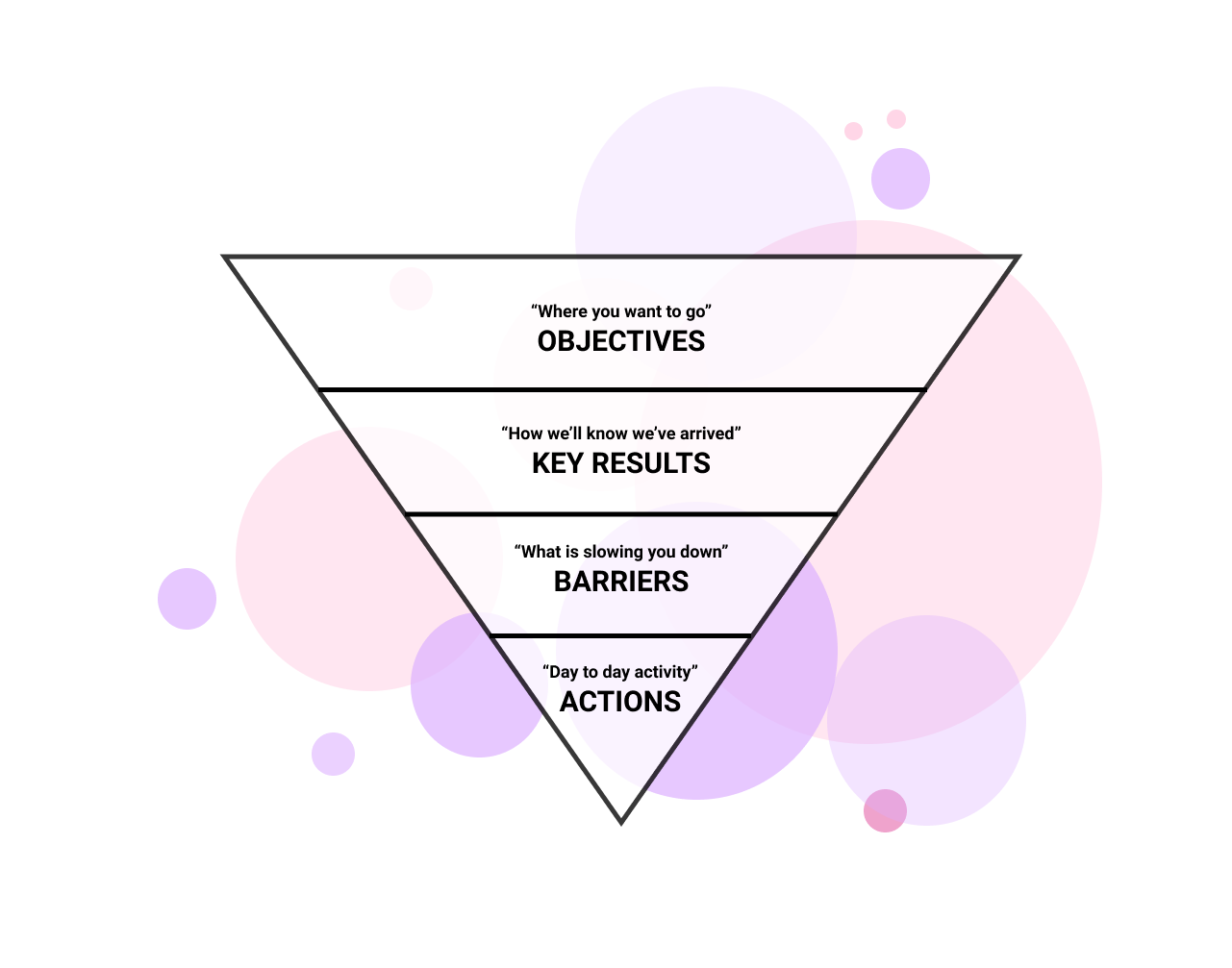
Balancing OKRs with the Basics: Keeping Growth and Brand Marketing on Track

Its been awhile since I've posted folks, sorry! While on a new journey and as I look back you know, I had this realization. It’s easy to get wrapped up in the shiny, new stuff like OKRs (Objectives and Key Results), but sometimes, we might end up spending so much time on them that we forget the basics—like keeping the trains running on time, or making sure the team has what they need to grow the business and build the brand.

Why OKRs Are Good, But…

  • Focus and Direction: OKRs are like that map on a road trip except for businesses. They help you know where you’re headed and make sure everyone’s car is pointed in the right direction. Without them, you might just end up driving in circles.
  • Accountability: They make it easy to see who’s doing what. Everyone knows their part, and you can quickly spot if something’s off track.

The Flip Side—When You’re Stuck in the OKR Weeds

  • Too Much Process, Not Enough Doing: If you spend all your time planning and tracking, there’s a chance you’re not doing enough actual work. It’s like planning the perfect garden but never getting around to planting the seeds.
  • Forgetting the Basics: Core business processes—like making sure the Growth and Brand Marketing teams are firing on all cylinders—might take a backseat. You still need to keep an eye on the day-to-day, like keeping operations smooth, ensuring customer service is top-notch, and steering the marketing ship in the right direction.

Steering the Growth and Brand Marketing Teams

  • Growth Management: Growth teams need a good bit of attention to keep the momentum going. It’s not just about setting ambitious though achievable goals—it’s about making sure they’ve got the tools, resources, and support to hit those targets.
  • Brand Marketing: Brand marketing is all about storytelling and building trust. While OKRs might tell you what needs to be done, it’s the brand folks who figure out how to say it in a way that resonates. They need to be closely guided and supported to ensure that the brand’s message stays consistent and strong.

Getting the Balance Right

  • Integrate OKRs with Business Processes: OKRs should work hand-in-hand with the day-to-day management. They’re not there to replace the basics but to enhance them. When done right, they should be pushing the business forward without pulling you away from essential tasks.
  • Keep It Simple: Don’t overcomplicate things. Focus on a few key objectives that really matter, and make sure the team isn’t drowning in process. Sometimes less is more.

Wrapping Up

OKRs are a great tool, no doubt. But like any tool, they’re only useful if you use them right. It’s important to keep things in balance—make sure the business processes, like steering the Growth and Brand Marketing teams, are getting the attention they need. After all, you can have the best goals in the world, but if the basics aren’t in place, those goals won’t mean much in the end.

Is there such a thing as Brand Response Marketing?

Whatever happened to #brand response #marketing? Or the idea that brand marketing actually does drive down funnel productivity, cost efficiencies and conversions? How about the taboo idea that performance marketing can actually create aided recall and awareness? The digitization of all things whether fully or minimally, I would say nowadays, everything is a brand experience, and everything is about performance.

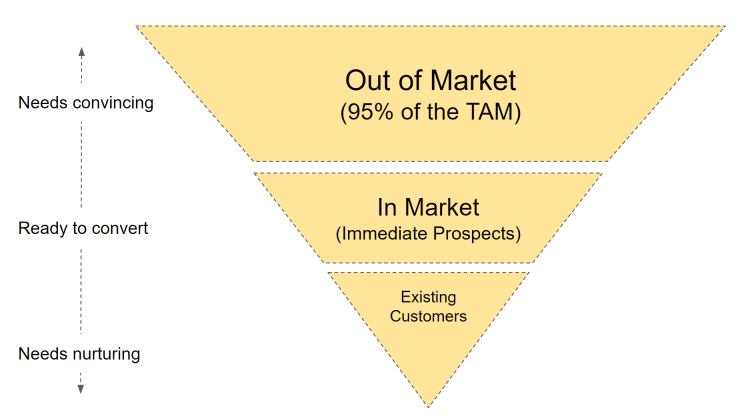
The reality is the funnel hasn't really changed right? At the very top, you've got the consumers that are "out of market" they just don't know they need you yet for various reasons, this is where 95% of your TAM resides and where brand marketing focuses on.

What about the folks who are ready to buy? Here performance marketing is the active tactic, it's easy to measure, aligned with sales goals and key business metrics.

Then you have your customers, the fickle to the loyal. These are the folks who are nurtured, hopefully appreciated and intertwined with our product development efforts.

Most of the time, these three tactics are not integrated, mostly siloed or indelibly operating somewhat independently. Is it idealistic to think that a business can balance and quarterback the three segments? I think so and this is where brand performance marketing comes into play for me.

So what is brand performance marketing?

Simply, it's the idea of integrating brand marketing with performance marketing. I see it as a holistic method to move consumer segments from, being "out of market" to being "in market" and finally bonding with the brand as existing customers. The classic approach has always seen brand, direct response and lifecycle marketing as three distinctly different functional capabilities. However, these old constructs can be susceptible to competitive pressures, are detrimental to achieving a cohesive experience for the consumer segments and of course sustaining the success gained when bad times come about. Disparate focus on the three segments creates a type of tunnel vision, particularly for large brands and a competitive edge for early and stage businesses during a economic downturn. There are ways to overcome this of course through better integration, processes, governance and frameworks. However, this only serves to further separate the business from the consumer.

How can we address these segments? Start with deconstructing your buyer's journey, nothing elaborate or scientific rather basic, just start at the very top. We have to build an architecture that works to convince consumers to want your product when they've been using/considering alternatives, then enabling them to find your product to eventually be converted into a customer. It doesn't end there, your competitors are persistently "conquesting" your prospects and customers. This means you have to continue to nurture them and adapt your product to address changing expectations.

All three segments (funnel screenshot) care about these four things

  1. Price - If I had a nickel for every brand that sees "price" as a number barrier, I'd be a gazillionaire. Level setting on price is so crucial, its the hardest thing to figure out. Pricing something too low presents a perception of low quality / cheapness and of course pricing something too high could harm your growth trajectory. A pricing strategy should be a consumer first process, know who they are and build from there, test and learn.
  2. Value - Does your product deliver the benefits and reasons to dole out the cost to buy your product? I always tell my family, somewhat jokingly, no-one ever pays MSRP for antivirus software. Have you? If you did, I want to know about it because that's when you value the cost of the product your purchasing. Its no longer a transaction, there's a clear need from the consumer point of view and they are fully bought into your brand's vision. Apple, Sony, Theragun (yes a DTC!) and there are many more out there.
  3. Trust - Are you a legitimate brand and is the product reliable to the degree that this person is willing to take leap, next step or continue to buy into your product's promise? This is so crucial, legitimacy is not going to come from your business, we have to earn this through surprise and delighting prospects and happy customers. I worked for a company that saw things differently, in fact quite the opposite and they are no longer around. This company persistently focused on sentiment management versus addressing the underlying issue which was a product that underperformed and always shorted them.
  4. Superiority - Are the features and functionality of the product above the rest? This is true for "affordable" products as well, think, Kia or Hyundai, right? Automotive brands that persistently remind us not only of the affordability of their cars but the high level of quality and workmanship that went into them. This helps the consumer rationalize the trade off and becomes invested in the brand.

Brand performance marketing can bring the three segments together. Philosophically, I don't believe there's should be a distinction between how each of the segment views a brand, interacts with the funnel designed to convert them and active use of the product.

I'd love to hear from my network, is brand performance marketing a thing? Should fuhgeddaboudit? Let me know and thanks for reading.

Amazon buys Whole Foods, boy times, they are a changing…the courtship of digital is ending

Why would Amazon buy Whole Foods? Ironically, the answer is in the name, Amazon. The amazon jungle is the life blood of the western hemisphere providing the ecosystem and environment to nourish over a billion in population and drives civilizations largest economies. According to Wikipedia, the Amazon represents over half of the planet's remaining rain-forests, and comprises the largest and most bio-diverse tract of tropical rain-forest in the world, with an estimated 390 billion individual trees divided into 16,000 species.
Furthermore, having worked with Amazon when they first launched, Jeff Bezos’ goal seemed to be to want to bring everything a consumer could possibly want instantaneously to any part of the globe. So, it’s not a surprise to me that Whole Foods would be part of the consideration having integrated Zappos, Audible, etc. What I like about this is that Amazon; versus Walmart or any other big etailer/retailer has an opportunity to revamp the village economy that’s been largely decimated and ignored by the chain retailers such as the Walmart’s and Kmart’s of the previous generation. What I mean is that, there will be shift to employee first and long-term strategy versus a shareholder driven short term view of profit and loss. This will help employees gain purchase power and drive the economies in their communities. What’s the state of retail and is there any benefit for brick and mortar shopping? Look, I don’t think we should see the world from a “zero-sum” game perspective. I’m not a retail expert but as a consumer myself, introspectively, I have seen a big shift in my own buying behavior. Looking back, I never thought I’d stop going to the produce markets to use Fresh Direct or Google Express, as an example. We also must be mindful that many of us consumers are in various transition stages. This means that there’s a role for physical spaces, the answer lies in defining your ideal customer, understanding how he/she’s purchase behavior is changing and what your business can do about. How Amazon integrates Whole Foods will shed more light into the convergence of digital and physical in real terms. When buying preference shifts more towards medium B versus medium A, and medium A has been the driving method for businesses to entice a transaction how should a business respond? The answer to this question is simple but the path to getting there in an organization seems to be well beyond a company’s reach. Assuming medium B is online shopping and medium A is physical retail purchasing then logic would dictate that organizations would build the necessary pathway from divesting from brick and mortar to mix shift to supporting online shopping. Yet we look across the spectrum of retail and while this isn’t new news, i.e. music stores closing due to the CD to mp3 shift or mom and pop shops disappearing due to large retail shops are just a few of the shifts that are similar in nature but every time we see a pivot in consumer behavior our career business professionals and leaders seem to miss the boat or wait too long until it’s too late. Businesses should have a strategy to address the changes in the marketplace and these changes are clear and present when you listen to consumers. This idea isn’t new, there are many businesses who have carefully followed the needs of their customers, they have succeeded, Intel or BestBuy come to mind. While others simply ignored the signs, or didn’t see the writing on the wall and are no longer around or solvent, Kodak or Kmart, etc. What's interesting is that, as a percentage of revenue, according to TheMotleyFool, Amazon spends more on advertising then Walmart, The Home Depot, Best Buy, Kroger, and Target combined. Do they know something we don't know? Or do they understand that part of doing business and competing requires investing into driving sales? And that this investment brings critical data and learnings that will help the business calibrate and course correct? A form of research and development in the digital era.
So how can a large retailer turn the tide through digital transformation? That’s a loaded question, and it’s important to note that it’s not about digital or physical, really. And you've people say, it's not a sprint its marathon, I say it's a triathlon but your organization has to be sure of what it is it needs to accomplish and be laser focused on accomplishing it. Most businesses are fully on the transformation journey, the problem lies in whether it’s the right one for them.  To understand that, it’s important to understand the organization’s wherewithal and capability from the vantage point of research, data, technology, legal, processes and talent. The underlying question will be whether you have the right mindset from the leadership and from the brick and mortar staff to facilitate any future change. If it's not a holistic approach then you're just slapping "lipstick on pig" and the underlying issues will engulf your business and you will cease to exist. With regards to research, this is a crucial first step and most businesses sit on a treasure trove of information. Ultimately it will rely upon a business’ core customers, asking the right questions and knowing who they are. Why are they your customers, what are there likes and dislikes, and what drives them to consider alternative products. I think the consumer packaged goods (CPG) industry does a phenomenal job at understanding a dimension of this but what I see a lot is research fails to address the consumer journey pieces of the qualitative puzzle. Data is another challenge for large companies, are you collecting the right data with regards to your business, end-to-end, who’s data should you use or trust, do you have a single source of truth and how is the data helping you make the right decisions or not? The research outputs should be able to allow for a gap analysis of your datasets, financial, product, marketing, sales and otherwise. The most puzzling of blockers I’ve encountered is, technology both IT and engineering. Yes, not surprising, it took a decade for organizations to realize that a Chief Marketing Officer (CMO) was investing more in technology than a Chief Technology Officer (CTO). On top of that, you have the pressure of advertising technology and how to tie all these platforms together. Each department, sales, finance, product, marketing and IT all look at their technology investments differently yet operationally and from a cost perspective it doesn’t make sense to do so. So, you have varying levels of maturity when it comes to technology deployment and the appetite for the business side to partner with technology departments from the get go to help bridge and solve problems together. Unfortunately, this is further led by strong Chief Executive Officer and other c-level opinions hence introducing barriers to a timely and frictionless solution. We’ve been here before, the question of whether legal is there to prevent or to protect. Many organizations are starting to look at this from both angles. Prevention is the equivalent of austerity, err on the side of caution. This mindset of course makes sense for certain business as usual situations. But what if you’re trying to address a new problem in the marketplace, a shift in consumer expectations or a new competitor entrant that’s pushing the envelope and their velocity of growth is staggeringly faster than yours? This is where I feel your legal counsel needs to be a critical partner in understanding the business requirements versus simply addressing the legalities of a decision. Furthermore, the legal team must be agile in its response to the needs of the business and market. How this is done is partnership and collaboration of course. Processes are absolutely the linchpin to all we’ve discussed so far. To put it simply, across the organization if making a decision is a three to six-month endeavor then leadership must look at how to accelerate the process, where are the gaps, what are the key blockers and how do we move more faster. I’m shocked that many organizations are still in a waterfall mindset, very linear in their thinking and sequential. Or there are pockets of lean startup but then other departments are operating in a different way. A process change should be defined and harmonized with inputs and alignment across all cross-functional departments. This will help large businesses move and shift to market and consumer demands more efficiently.
Finally, talent, the single most important opportunity for an organization to mine. Talent development should be seen through seeding, cultivating and building the acumen, both internal and external, required to solve the challenges the business faces. Whether it's digital, internet of things, or whatever new shift your business sees in the horizon. This is whether your technology department needs calibrate and train to understand marketing, advertising and other key aspects of your business supply chain. Do you have the right mechanisms, culture and leadership to enable curiosity and avoid complacency? I’m always afraid of becoming obsolete as a professional, shouldn’t a business’ staff and agencies feel the same way? If not what can the leadership do and provide to drive that mindset and talent transformation? Is Amazon looking at Whole Foods as a way to build and bring in new thinking and talent that is supporting a greater vision? Businessses shouldn't purchase using a one dimensional strategy, all angles, especially the impact to employees and talent are an important facet of the acquisition considertation.

Does your organization enable digital marketing innovation in this new era?

New-HeightsFolks, it's been awhile since I posted something and there is generally no good reason not to. Let's face it, we're all busy trying to figure out what 2013 will bring to us. I thought I'd share a point of view on a particularly interesting topic, "Innovation" or in my world, specifically, "digital marketing innovation" and how an organization can encourage it. the cliche that change is constant is a nagging truth. With the daily barrage of information and ideas, how do we as business leaders fuel innovation and as a result growth? Digiday just ran a piece on just how Intuit does it and here are a couple of highlights: 1) Your organization should be somewhat dynamic 2) Develop processes and guidelines to facilaite regular cross-training or swapping opportunities. There is no reason to prevent a finance person to consider marketing and vice versa! 3) Make sure that you're collecting the feedback as staff swap roles, i.e. work with them to build case studies and learning Here's the full Digiday article: Why Intuit Encourages Job Swaps

When should you be a general manager versus a subject matter expert?

We all have a few "real life" examples of when we were required to modulate our approach in certain situations between putting a general manager hat on versus your expert hat on. Hindsight is 20/20 and while we take it for granted, you can learn a ton from past mistakes. In the end, I believe that you should be yourself and focus on doing the right thing. The scenario is this: You work for a superb company, the company is filled with phenomenal individuals with a diverse set of cross-functional skills and experience. You're presented with a situation that needs you to press the pause button on your domain expertise and years of experience to support a solution a key collective of individuals within the organization is advocating. The right thing to do: Easily said than done and always consider the short and long term implications of your behavior as well as actions. Show that you trust your key partners and empathize so that their ideas coupled with yours could be a much more powerful alternative to consider.  Key here is "empathy" and you'll see you'll elevate to the general manager approach and ultimately your colleagues will value your inputs. Feel free to share your stories so that we can learn and be informed about how to improve our collective general management skills.

The enterprise marketer can transform businesses

Indeed it has been awhile since I've spoke at a conference. So thanks to the folks at x+1, an innovative and agile enterprise business platform, I was invited to sit with Verizon and JP Morgan Chase's key advertisers moderated by Sarah Fay! I think the key takeaway for me was the general management aspects of marketing, focusing on leadership, innovation, team building and cross-functional  shared vision that could make or break an organizations efforts to build enduring marketing departments. John Ebbert of Ad Exchanger covered the panel and the conference, NexTargeting. Hope there will be more as I had the unique pleasure to participate and meet some really terrific people: http://www.adexchanger.com/online-advertising/marketer-enterprise/