Category: Marketing

Meta’s Instagram Reels Skippable Ads: The Quiet Revolution

Meta Insta Reels skippable ads

Members Only Podcast

Please log in or subscribe to listen.

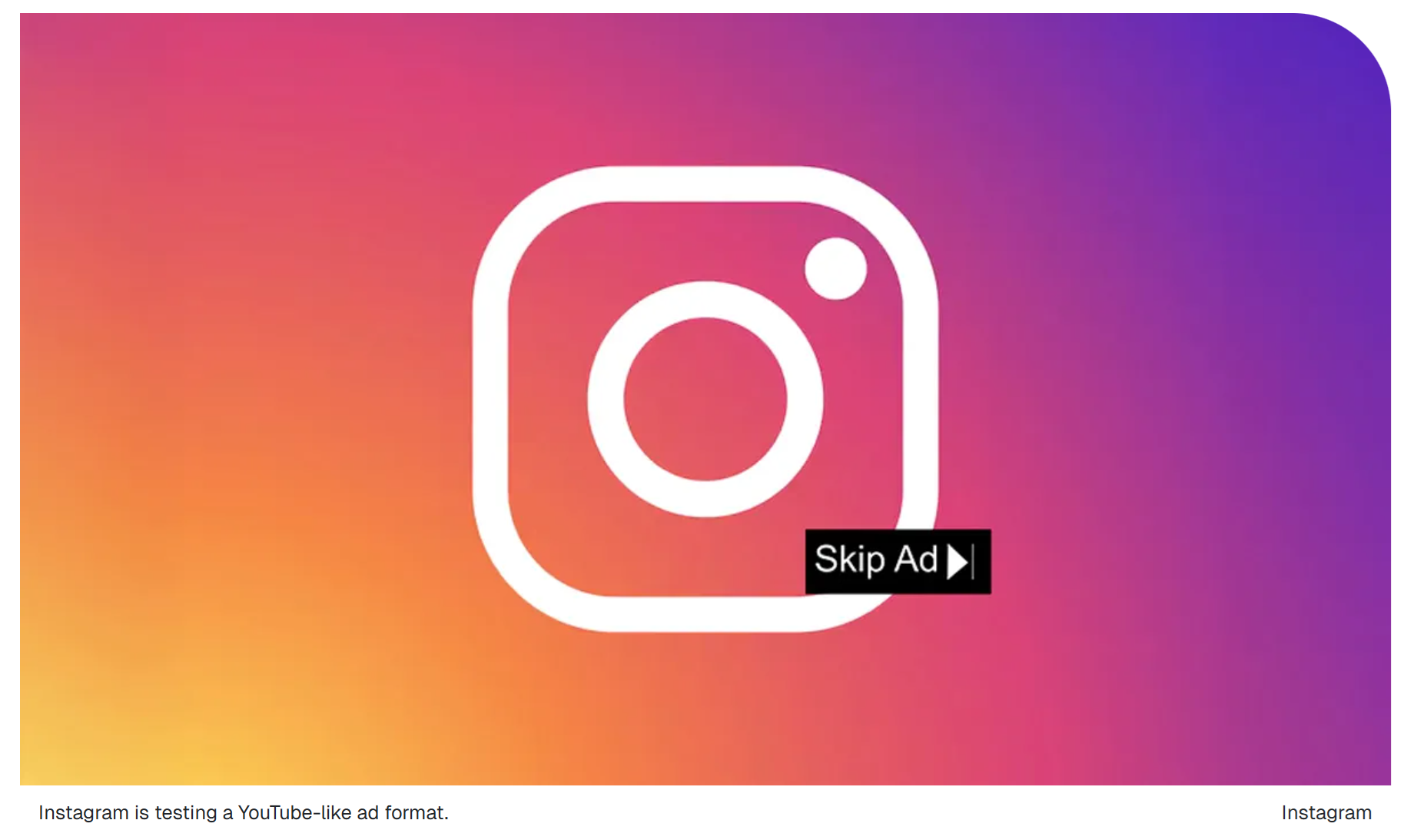
In October 2025, Adweek confirmed Meta began testing Instagram Reels skippable ads, mirroring YouTube’s in-stream ad format. Users can now skip ads after a few seconds and jump back to their video feed.

At first glance, it might look like a simple UX experiment. But beneath it lies a major shift in how attention, intent, and creative performance could be measured across social platforms.

The Test and Its Context

According to Adweek reporter Trishla Ostwal, Meta is running a limited test to understand whether this format helps users discover businesses more effectively.
Unlike YouTube, Meta is not sharing revenue with creators during the pilot phase.

The timing is deliberate.
Gartner’s 2025 CMO Spend Survey shows marketers allocating 30.6% of total budgets to paid media, a 10% year-over-year increase. Social channels are now the second-largest digital spend category. And among them, Instagram has a higher purchase intent than both Facebook and YouTube.

For Meta, the equation is simple: if users tolerate skippable ads without hurting engagement, Reels could become a more efficient revenue engine.

(Source: Adweek, “Meta Is Testing Skippable Ads on Instagram Reels, Borrowing From YouTube’s Playbook,” Oct 17, 2025)

Why It Matters

Skippable ads change the game for both performance marketers and creative teams.

Historically, non-skippable ads were priced at a premium because they guaranteed full viewership. But forced attention rarely equals real engagement. Skippable formats, on the other hand, turn the moment of attention into a user decision and a behavioral signal that can separate curiosity from disinterest.

When someone doesn’t skip, that’s intent data.
When they do, it’s still valuable just different. It tells the algorithm what not to show, and it tells you which creative failed to earn a second chance.

What Growth Marketers Should Do Now

1. Treat skips as data, not failure

Every skip is a signal. Over time, Meta’s delivery models will likely use skip behavior to refine audience targeting. Track skip rates, watch-through rates, and conversions together to uncover patterns that explain quality, not just reach.

2. Redesign creative for “voluntary attention”

The first five seconds of a Reels ad now matter more than ever. Borrow the YouTube hook architecture: open with story, motion, or emotion versus a logo. Reward attention early, and you’ll earn more of it later.

3. Build sequential storytelling

Skippable formats open the door for creative sequencing:

  • Those who skip can be retargeted with shorter, sharper hooks.
  • Those who watch can be served longer or higher-intent creative, like testimonials or offers.

It’s a subtle shift from one-shot persuasion to multi-step storytelling.

4. Expect pricing and auction evolution

Meta could eventually roll out cost-per-view (CPV) or hybrid pricing models. Prepare by modeling CPV vs CPM efficiency and by aligning ROI measurement around view-through conversions.

What to Watch For

AreaShift or RiskWhy It Matters
Measurement NoiseSkip data may complicate attribution and inflate signal-to-noise ratio.Algorithms will need time to interpret skips as quality indicators rather than negatives.
Creative StrategyMay usher in a new short-form storytelling discipline.Teams will need to master earned attention rather than relying on forced impressions.
Auction DynamicsCPMs could temporarily rise as the system learns.Early adopters should isolate budgets to prevent blended CPM distortion.
Attribution ClarityView-based engagement may dilute click-based signals.Marketers must redefine how success is measured beyond CTR.
Creator EcosystemNo revenue share yet for creators.This could limit long-term adoption unless Meta adjusts monetization models.

Staying Ahead of Platform Changes

The speed at which ad platforms evolve means marketers can’t wait for quarterly updates. Teams should build a lightweight “Ad Product Watchlist” to stay current.

Here’s a simple playbook:

  • AI Alerts: Use Feedly, Perplexity, or Google Alerts for “Meta test,” “Reels ad format,” and “auction update.”
  • Weekly Syncs: Align creative and media teams to share what’s changing and test hypotheses early.
  • Rapid Test Protocol: Treat every new ad format like a product feature — run 14-day experiments, report learnings, and scale what works.
  • Partner Engagement: Encourage Meta Partner Managers to include you in closed betas. Early learnings compound over time.

The Takeaway

Skippable Reels ads are not just a UX tweak they’re Meta’s signal that attention is moving from captive to voluntary.

The best growth marketers will recognize this for what it is:
A chance to design for curiosity, not captivity.
To read attention like a behavioral dataset, not a vanity metric.
And to build creative that doesn’t demand attention but earns it.
10 Marketing Mistakes That Are Holding You Back—and How to Fix Them 🚀

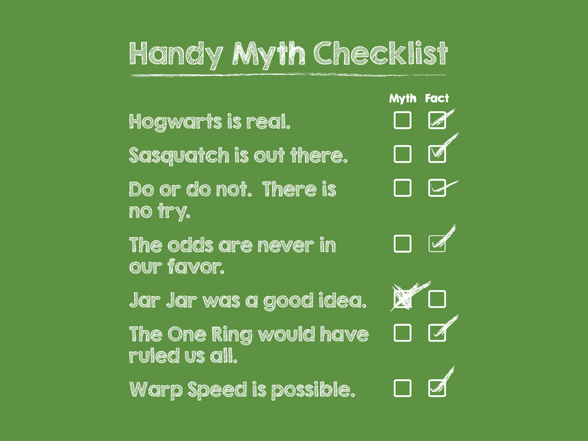
A list of whacky myths

1. Thinking a Redesign Is a Growth Fix-All

💡 Example: When GAP launched a logo redesign in 2010, backlash was so severe that they reverted to their old logo within a week, losing millions. Their mistake? Focusing on aesthetics without addressing deeper brand and operational challenges.

✅ Fix it: Audit your eCommerce infrastructure. If your site is slow or checkout is clunky, a redesign won’t solve those problems. Instead, prioritize technical fixes and a clear hypothesis for your redesign.

2. Blindly Copying Competitors

💡 Example: Just because a competitor's ad campaign uses bold humor doesn’t mean it will resonate with your audience. Pepsi’s attempt to mimic Coke's “Share a Coke” campaign with emoji bottles fell flat—it lacked the same emotional connection.

✅ Fix it: Use competitor analysis as inspiration, not a template. Apply first principles thinking and validate ideas with your own data. For example, test messaging tailored to your audience before fully committing.

3. Over-Leaning on Rented Channels

💡 Data: Relying solely on SEM and paid social can backfire. Research shows that organic social posts generate 22% higher engagement, while paid content often feels transactional.

✅ Fix it: Balance your rented channels with owned and earned tactics, such as email lists, virality, and word of mouth. Use tools like incrementality testing to evaluate how upper-funnel tactics like OTT and Podcast assist conversions.

4. Over-Testing to Paralysis

💡 Example: Startups with low traffic often get stuck waiting for A/B tests to reach statistical significance. A small direct-to-consumer brand cut their testing cycle by using a four-blocker framework: feature-rich tests for major updates and quick iterative changes for optimizations.

✅ Fix it: Build a testing playbook to prioritize:
1️⃣ Big, feature-rich tests.
2️⃣ Iterative tests.
3️⃣ Optimizations.
4️⃣ Adopt-and-go elements.

Don’t wait for perfection—move fast and refine as you go.

5. Stop With the Micro-Optimizations

💡 Data: Research from CXL shows that button color tests rarely improve conversion rates by more than 1%. Micro-optimizations won’t save a broken funnel.

✅ Fix it: Aim for step-function improvements like launching new product features or testing bold claims. For example, Spotify’s “Discover Weekly” feature drove a 30% increase in engagement, while micro-tweaks wouldn’t have had the same impact.

6. Forgetting There’s R&D in Marketing

💡 Example: Airbnb’s marketing R&D led to innovations like user-generated travel guides, creating a 200% increase in engagement during early campaigns.

✅ Fix it: Dedicate 10–20% of resources to exploring new tactics, from creatives to segments. Build habits around experimenting with future growth levers. Think: “What’s the next big win for our brand?”

7. Forgetting That Marketing Is About People

💡 Example: Dove’s “Real Beauty” campaign connected with audiences on an emotional level, leading to a 4x increase in brand value over a decade. Compare that to campaigns optimized purely for clicks.

✅ Fix it: Build a messaging framework that prioritizes emotion over transactions. Ask: What’s your brand’s superpower? How do you connect with people beyond the algorithm?

8. Always Have a Succession Plan

💡 Example: Coca-Cola tests ideas with a clear lifecycle: if a flavor or campaign underperforms, they have a plan to pivot or kill it quickly. Remember New Coke? They had a succession plan to revert to Classic Coke.

✅ Fix it: Treat your campaigns like a story with a beginning, middle, and end. Know when to iterate, when to move on, and what comes next.

9. Ignoring Quantitative and Qualitative Feedback

💡 Data: A McKinsey report found that companies using customer feedback loops grow revenue by 10–15% faster than their peers.

✅ Fix it: Build systems to gather both quantitative data (metrics) and qualitative feedback (customer interviews, surveys). Use tools like NPS surveys and cohort analysis to refine your strategy based on real customer insights.

10. Forgetting It’s a Short and Long Game

💡 Example: Amazon’s short-term focus on free shipping drove conversions, but their long-term investment in Prime built loyalty and LTV.

✅ Fix it: Balance short-term campaigns (e.g., sales promotions) with long-term brand building (e.g., loyalty programs). Think: “Will this decision boost short-term revenue and set us up for sustainable growth?”

ChatGPT a Google killer/ “something” killer or just a new Miscrosft word plugin?

ChatGPT - OpenAI

Is ChatGPT a Google killer/ "something" killer or just a new Miscrosft word plugin?

I see it as the latter, Google crawled, collected and collated information and matched folks to that information, better. For many that was an incredible improvement in user satisfaction over the likes of Excite/Infoseek/Yahoo and was enough to defer the user's own information retention and completely rely on Google. But fundamentally, the true value of Google was that it made a wealth of information produced by regular people more accessible and democratized knowledge.

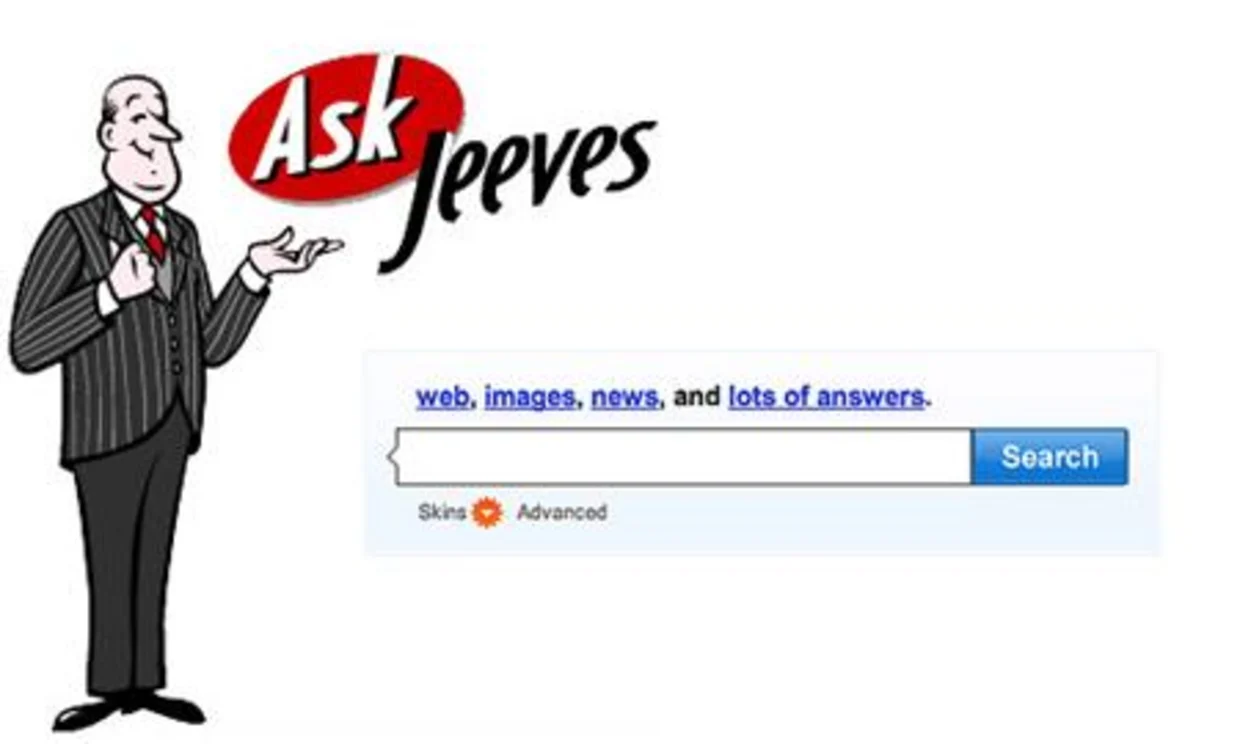
ChatGPT is definitely the next step in the information evolution / revolution but ultimately its a black box, its more like AskJeeves on steroids, the now defunct question oriented search engine, anyone remember that?

Jeeves, who is Martin Luther King Jr.?


ChatGPT takes away the knowledge gathering process all together and attempts to gather, synthesize and present a "point of view" based on the information it scours and the deduction of a user's query. ChatGPT is the "Zoltar Fortune Teller" killer or BS on steroids.

Seriously though, ChatGPT being the #Google killer will depend on how accessible it is to everyone and I have little doubt that #Microsoft is in the business of pure free, right now.

Having said all of the above, I have used ChatGPT to create numerous marketing headlines, optimized my site's titles/meta data, tweak descriptions/timelines for videos on my YouTube channels, had it write overlays for my personal TikTok/IG reels, and even write a poem.

Finally, I was disappointed that it didn't know me, when I asked who Cezanne Huq was. :-)

I'm a simple guy and I often miss the forest for the trees, please share your thoughts on ChatGPT!

Disclaimer: This post wasn't written by ChatGPT

#microsoft #chatgpt #openaichatgpt #artificialintelligence #knowledgesharing #ai #optimization

Image preview

A Ramblin Man

If you made it to my portfolio then I've done approximately 50% of my job. I haven't figured out what to do to make the remaining 50% of work hum quite yet. My guess is that it will be focused on trying to keep you here as long as possible! Maybe we'll discuss how to build a personal brand, how to accelerate a large organization to deliver on growth for the business, possibly some music and basics of digital, mobile, analytics and technology that's transforming our world of marketing. While you're here, I'd love comments, topic ideas, and or just plain feedback.

Welcome Back

Close Window

Sign Out?

Are you sure you want to log out?