
Tag: Growth Product

Are marketing funnels becoming obsolete?

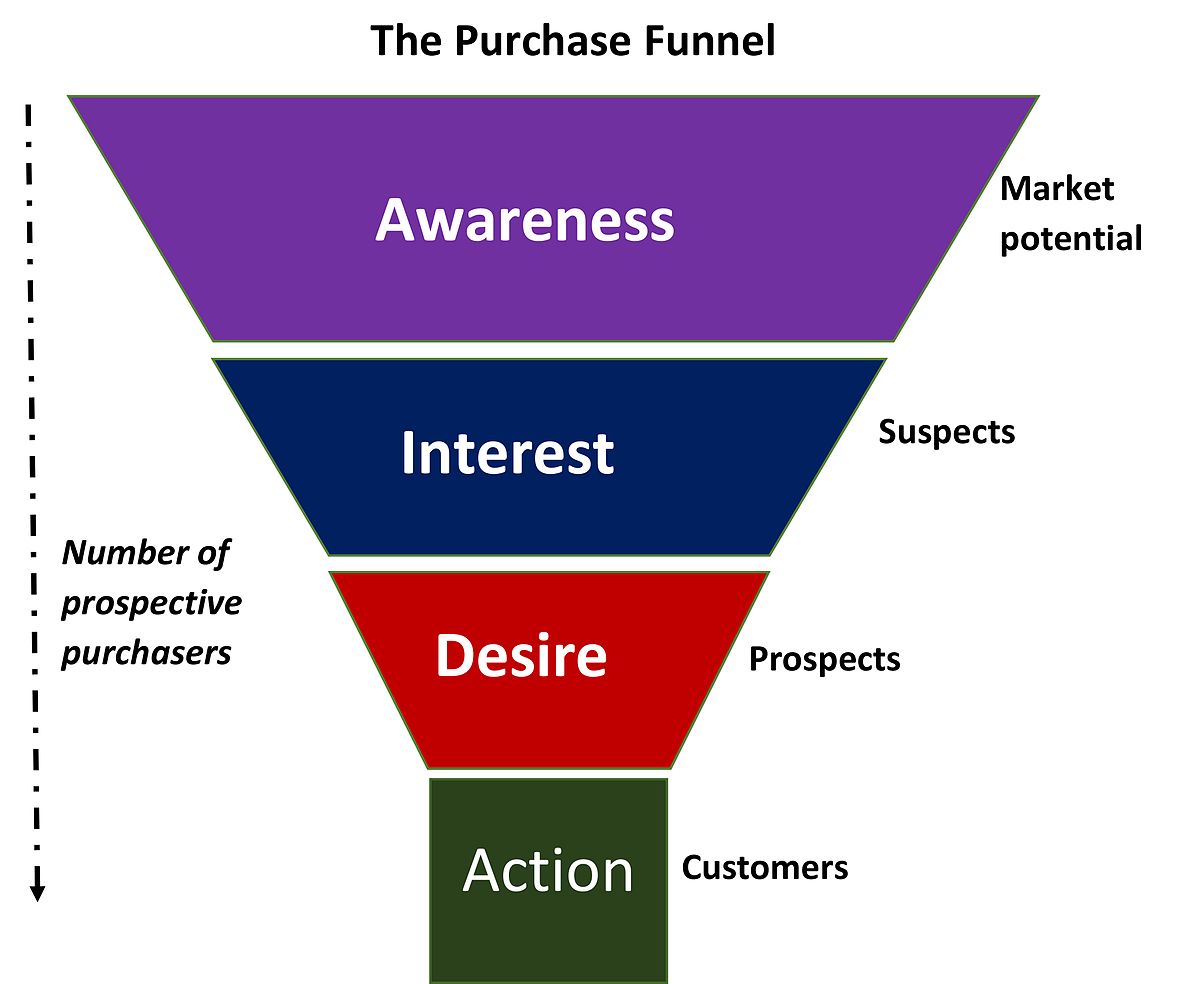
For years, we've built growth strategies around the classic funnel: Awareness → Interest → Desire → Action. Track drop-offs, eliminate friction, optimize conversion rates. Simple, measurable, effective.

But as AI anticipates user intent and one-click checkouts compress entire purchase journeys, I'm questioning whether the next generation of marketers will even think in funnels.

Here's what's shifting my perspective:

When Duolingo added streak freezes and achievement badges, their retention actually improved despite adding "friction" to the experience. Users who worked through these extra steps showed 40% higher long-term engagement than those who breezed through a streamlined onboarding.
This aligns with what Rory Sutherland argues in Alchemy: humans aren't rational calculators. We value what we work for. A quiz that helps users discover their "marketing personality type" might slow conversion, but it can dramatically increase commitment to your product.

Similarly, John List's research in The Voltage Effect shows that what works in small tests doesn't always scale. Removing a single form field might boost conversions 15% in your pilot, but when rolled out broadly, it could attract lower-intent users who churn faster, ultimately hurting lifetime value.
The real insight? Friction isn't the enemy irrelevant friction is.

The companies winning today aren't just optimizing for conversion rates. They're optimizing for the right conversions. They understand that a 5% drop in top-of-funnel conversion might be worth it if it leads to 25% higher retention and customer satisfaction.

So funnels aren't dead they're evolving.

Instead of pushing everyone through the same pipe, we're learning to design intelligent friction that filters for intent while removing barriers that genuinely don't serve the customer experience.

The question isn't whether to use funnels, but how to balance friction and flow to attract customers who will actually succeed with your product.

What's your experience? Have you found cases where adding steps improved your long-term metrics?

#GrowthMarketing #CustomerExperience #ConversionOptimization #BehavioralScience
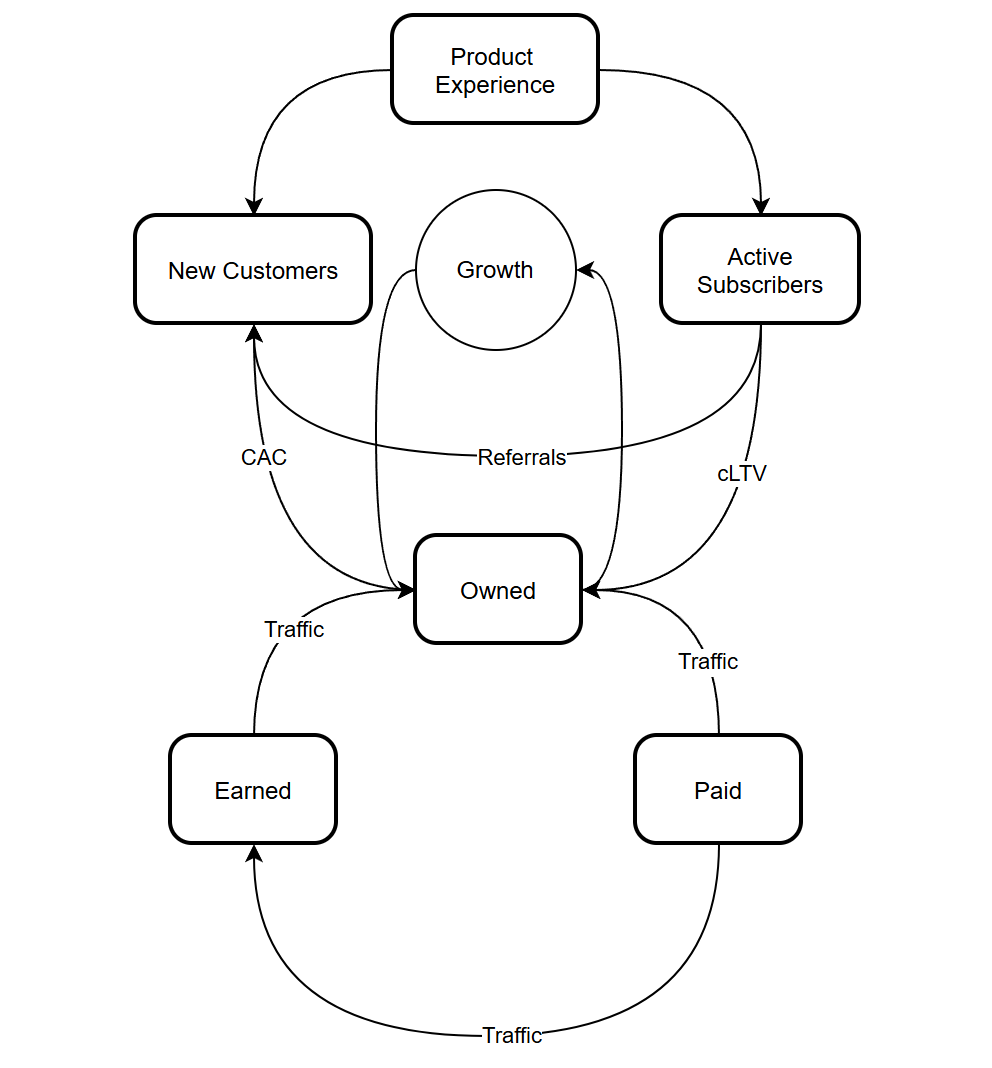
🌟 The Democratization of Product-Led Growth (PLG): A Product-First Revolution 🌟

In today’s fast-paced, customer-centric world, Product-Led Growth (PLG) isn’t just a buzzword—it’s a movement! 🚀 PLG is all about putting the product at the heart of your business strategy, allowing it to drive customer acquisition, retention, and expansion. But here’s the kicker: PLG isn’t just for product teams anymore. It’s time to democratize PLG and make it a mindset for every functional group! 🎉

What is PLG? 🤔

According to ProductLed.org, PLG is a go-to-market strategy that relies on the product itself as the primary driver of growth. Instead of relying solely on sales teams or marketing campaigns, the product sells itself by delivering immediate value to users. Think of tools like Slack, Notion, or Canva—they’re so intuitive and valuable that users can’t help but spread the word! 📣

But here’s the thing: PLG isn’t just about the product team. It’s about creating a product-first culture across the entire organization. 🏢

Why PLG Should Be in Every Functional Group 🧩

  1. Marketing 🎯:
    Marketing teams should focus on creating product-driven campaigns. Instead of just talking about features, show how the product solves real problems. Use free trials, freemium models, and interactive demos to let the product speak for itself. 🗣️✨
  2. Sales 💼:
    Sales teams should shift from pushing the product to guiding users to discover its value. Think of sales as product educators who help users unlock the full potential of the product. 🗝️
  3. Customer Success 🤝:
    Customer success teams should focus on onboarding and activation. Their goal? Ensure users experience the “aha!” moment as quickly as possible. Happy users = organic growth! 🌱
  4. Engineering ⚙️:
    Engineers should prioritize building intuitive, user-friendly experiences. Every line of code should reflect the product’s mission to deliver value effortlessly. 💻
  5. Leadership 🧠:
    Leaders should champion the product-first philosophy across the organization. This means aligning goals, metrics, and incentives around the product’s success. 📊

The Baseline Philosophy: Be Product-First 🥇

At its core, PLG is about putting the product first. This means:

  • Every decision should be made with the user in mind. 👥
  • Every team should understand how their work impacts the product experience. 🔗
  • Every interaction should reinforce the value of the product. 💎

When every functional group embraces this philosophy, magic happens. 🪄 The product becomes more than just a tool—it becomes a growth engine that drives the entire business forward. 🚂

Key Takeaways from the Article 📚

The ProductLed.org article highlights some critical insights:

  • PLG is not a one-size-fits-all strategy. It requires customization based on your product and market. 🛠️
  • Freemium models and free trials are powerful tools, but they must be backed by a product that delivers real value. 💡
  • Metrics like Time-to-Value (TTV) and Product-Qualified Leads (PQLs) are essential for measuring PLG success. 📏

Final Thoughts 💭

The democratization of PLG is about breaking down silos and creating a unified, product-first culture. When every team—from marketing to engineering—embraces PLG, the result is a seamless, value-driven experience for users. 🌈

So, let’s make PLG a team sport! 🏈 Because when the product wins, everyone wins. 🏆

What do you think? Ready to go all-in on PLG? Let’s build a product-first future together! 🚀✨

Welcome Back

Close Window

Sign Out?

Are you sure you want to log out?