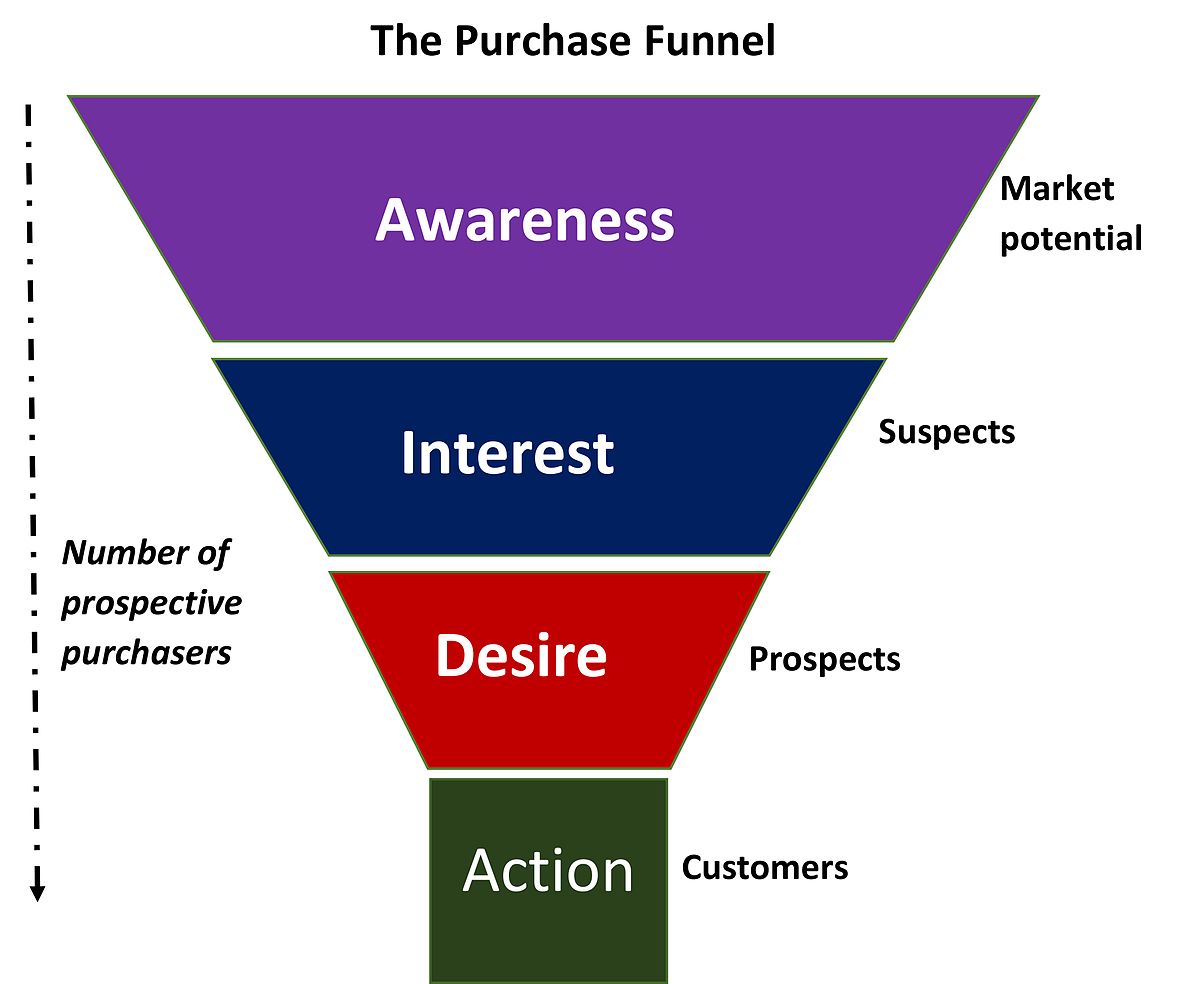
For years, we've built growth strategies around the classic funnel: Awareness → Interest → Desire → Action. Track drop-offs, eliminate friction, optimize conversion rates. Simple, measurable, effective.
But as AI anticipates user intent and one-click checkouts compress entire purchase journeys, I'm questioning whether the next generation of marketers will even think in funnels.
Here's what's shifting my perspective:
When Duolingo added streak freezes and achievement badges, their retention actually improved despite adding "friction" to the experience. Users who worked through these extra steps showed 40% higher long-term engagement than those who breezed through a streamlined onboarding.
This aligns with what Rory Sutherland argues in Alchemy: humans aren't rational calculators. We value what we work for. A quiz that helps users discover their "marketing personality type" might slow conversion, but it can dramatically increase commitment to your product.
Similarly, John List's research in The Voltage Effect shows that what works in small tests doesn't always scale. Removing a single form field might boost conversions 15% in your pilot, but when rolled out broadly, it could attract lower-intent users who churn faster, ultimately hurting lifetime value.
The real insight? Friction isn't the enemy irrelevant friction is.
The companies winning today aren't just optimizing for conversion rates. They're optimizing for the right conversions. They understand that a 5% drop in top-of-funnel conversion might be worth it if it leads to 25% higher retention and customer satisfaction.
So funnels aren't dead they're evolving.
Instead of pushing everyone through the same pipe, we're learning to design intelligent friction that filters for intent while removing barriers that genuinely don't serve the customer experience.
The question isn't whether to use funnels, but how to balance friction and flow to attract customers who will actually succeed with your product.
What's your experience? Have you found cases where adding steps improved your long-term metrics?
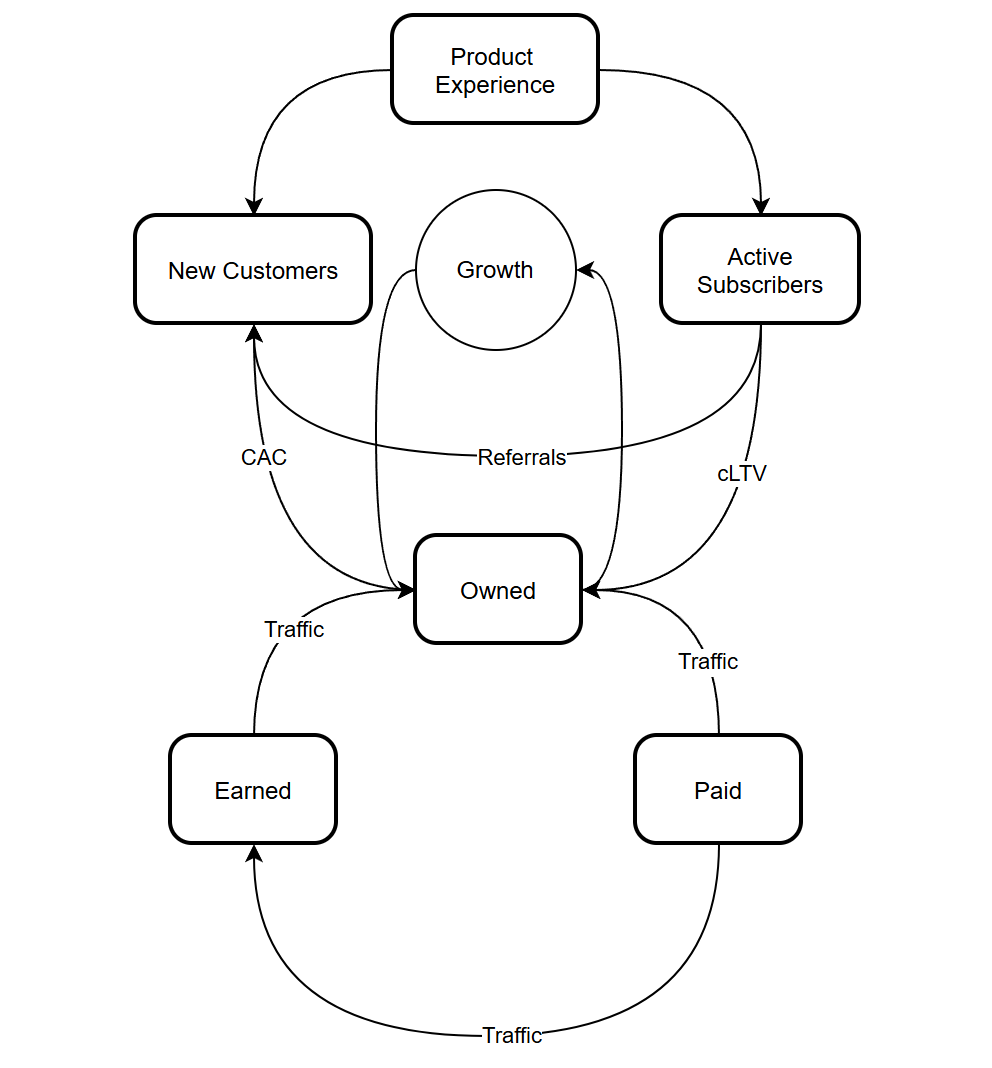
In today’s fast-paced, customer-centric world, Product-Led Growth (PLG) isn’t just a buzzword—it’s a movement! 🚀 PLG is all about putting the product at the heart of your business strategy, allowing it to drive customer acquisition, retention, and expansion. But here’s the kicker: PLG isn’t just for product teams anymore. It’s time to democratize PLG and make it a mindset for every functional group! 🎉
What is PLG? 🤔
According to ProductLed.org, PLG is a go-to-market strategy that relies on the product itself as the primary driver of growth. Instead of relying solely on sales teams or marketing campaigns, the product sells itself by delivering immediate value to users. Think of tools like Slack, Notion, or Canva—they’re so intuitive and valuable that users can’t help but spread the word! 📣
But here’s the thing: PLG isn’t just about the product team. It’s about creating a product-first culture across the entire organization. 🏢
Why PLG Should Be in Every Functional Group 🧩
Marketing 🎯: Marketing teams should focus on creating product-driven campaigns. Instead of just talking about features, show how the product solves real problems. Use free trials, freemium models, and interactive demos to let the product speak for itself. 🗣️✨
Sales 💼: Sales teams should shift from pushing the product to guiding users to discover its value. Think of sales as product educators who help users unlock the full potential of the product. 🗝️
Customer Success 🤝: Customer success teams should focus on onboarding and activation. Their goal? Ensure users experience the “aha!” moment as quickly as possible. Happy users = organic growth! 🌱
Engineering ⚙️: Engineers should prioritize building intuitive, user-friendly experiences. Every line of code should reflect the product’s mission to deliver value effortlessly. 💻
Leadership 🧠: Leaders should champion the product-first philosophy across the organization. This means aligning goals, metrics, and incentives around the product’s success. 📊
The Baseline Philosophy: Be Product-First 🥇
At its core, PLG is about putting the product first. This means:
Every decision should be made with the user in mind. 👥
Every team should understand how their work impacts the product experience. 🔗
Every interaction should reinforce the value of the product. 💎
When every functional group embraces this philosophy, magic happens. 🪄 The product becomes more than just a tool—it becomes a growth engine that drives the entire business forward. 🚂
PLG is not a one-size-fits-all strategy. It requires customization based on your product and market. 🛠️
Freemium models and free trials are powerful tools, but they must be backed by a product that delivers real value. 💡
Metrics like Time-to-Value (TTV) and Product-Qualified Leads (PQLs) are essential for measuring PLG success. 📏
Final Thoughts 💭
The democratization of PLG is about breaking down silos and creating a unified, product-first culture. When every team—from marketing to engineering—embraces PLG, the result is a seamless, value-driven experience for users. 🌈
So, let’s make PLG a team sport! 🏈 Because when the product wins, everyone wins. 🏆
What do you think? Ready to go all-in on PLG? Let’s build a product-first future together! 🚀✨
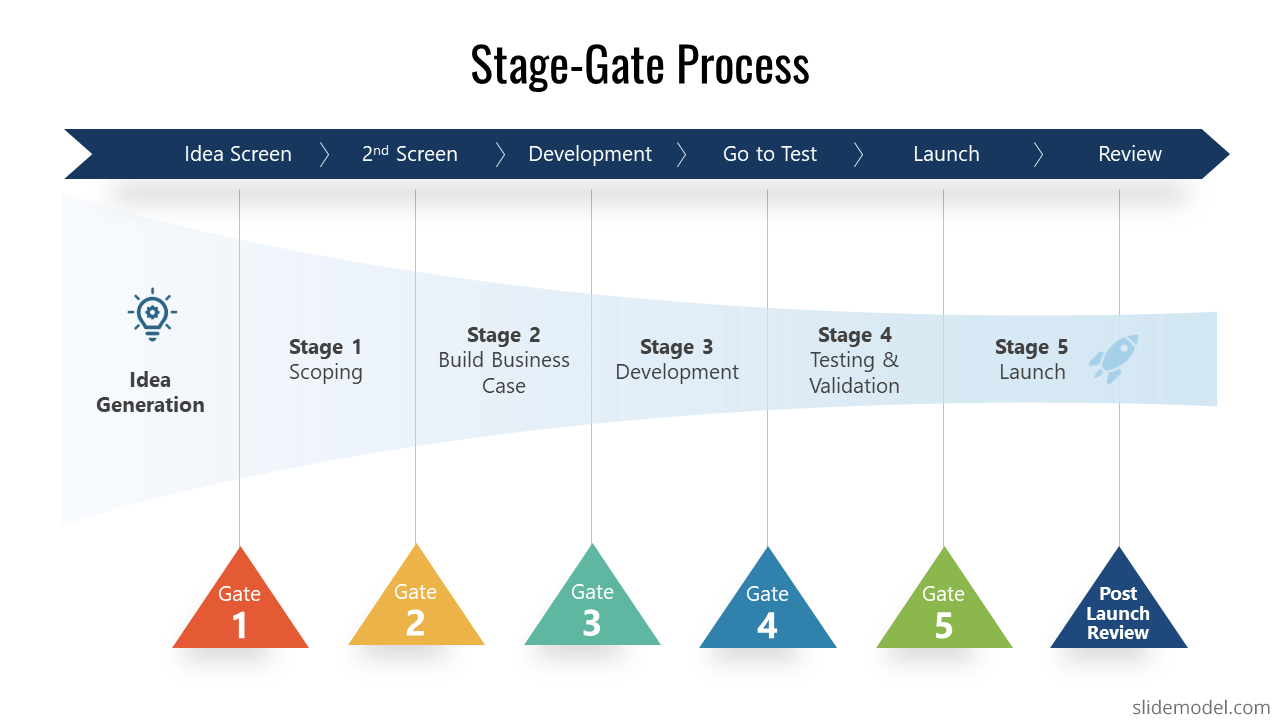
The stage-gating process is a systematic framework for managing innovation, designed to break large projects into phases separated by decision points (“gates”). This methodology was pioneered by Dr. Robert G. Cooper in the 1980s. Cooper, a Canadian academic, introduced the concept in his book Winning at New Products: Accelerating the Process from Idea to Launch, aiming to minimize risk, improve resource allocation, and increase success rates in product development.
Adoption of Stage-Gating
Dr. Cooper’s stage-gating model quickly gained traction among large organizations looking to manage the complexity of product development in an increasingly competitive global market. Companies such as Procter & Gamble, 3M, and DuPont were early adopters, integrating the methodology to ensure that resources were focused on projects with the highest potential for success.
Initially embraced in industries with long product development cycles, such as pharmaceuticals and aerospace, stage-gating was seen as a way to impose discipline on innovation processes. Its success in managing risk and improving cross-functional collaboration led to its adoption across other sectors, including automotive, consumer packaged goods, and technology hardware. By the early 1990s, stage-gating had become a standard best practice for managing high-stakes projects in Fortune 500 companies.
Industries Where Stage-Gating Thrives
Stage-gating has gained prominence in industries where high-risk, high-investment projects are the norm, including:
Pharmaceuticals: Drug development cycles spanning 10–15 years require rigorous regulatory compliance.
Aerospace and Defense: Safety-critical innovations demand extensive testing and validation.
Consumer Packaged Goods (CPG): Companies like Procter & Gamble use stage-gating to maintain a steady pipeline of new products.
Automotive: From concept to production, stage-gating ensures thorough evaluation of new vehicle models.
Technology Hardware: Innovations like semiconductors and smartphones rely on staged development to manage technical complexity.
B. Benefits and Risks of Stage-Gating
Benefits of the Stage-Gating Process
Risk Mitigation: Stage-gating ensures that only well-vetted projects proceed, reducing the likelihood of costly failures.
Resource Optimization: By filtering out weaker projects early, resources are concentrated on initiatives with higher potential.
Cross-Functional Alignment: Structured gates encourage collaboration and clarity across departments.
Regulatory Compliance: Industries with strict regulatory requirements benefit from detailed documentation and milestone reviews.
Risks of the Stage-Gating Process
Slower Time-to-Market: Sequential decision-making can delay progress, especially in fast-moving markets.
Over-Bureaucratization: Excessive documentation and rigid gates can stifle creativity and innovation.
Inflexibility: Stage-gating assumes a linear progression, which may not suit projects with high levels of uncertainty or evolving requirements.
When to Use and When Not to Use Stage-Gating
Use Stage-Gating When:
The project involves high risk or regulatory scrutiny (e.g., medical devices, aerospace).
The industry demands long-term planning (e.g., automotive, defense).
Cross-functional coordination is essential to success.
Avoid Stage-Gating When:
The market or technology evolves rapidly, as in software development or consumer tech startups.
The project benefits from iterative, customer-driven development (e.g., agile workflows).
C. Startups Rebel Against Stage-Gating
Why Startups Reject Stage-Gating
Startups, particularly those in hypergrowth or tech, often view stage-gating as incompatible with their need for speed and flexibility. Instead, they favor:
Agile methodologies: Emphasizing sprints and iterative progress.
Lean Startup principles: Rapid experimentation and pivoting based on feedback.
Companies That Embrace Stage-Gating in Hypergrowth
Some hypergrowth companies successfully adapt stage-gating to balance growth and control:
Tesla: Uses a stage-gated process for hardware innovation while incorporating agile elements.
SpaceX: Adapts stage-gating to ensure safety and performance in aerospace development.
Johnson & Johnson: Combines stage-gating with agile practices for faster innovation cycles in pharmaceuticals and consumer products.
D. Emerging Alternatives to Stage-Gating
New Methods Gaining Traction
Agile-Stage Gate Hybrids:
Combine iterative development with gate reviews for projects requiring flexibility and oversight.
Example: Iterative prototyping in hardware while adhering to regulatory milestones.
Lean Stage-Gating:
Streamlines gates with minimal documentation and faster decision-making.
Example: Consumer electronics companies shortening product cycles to align with market trends.
Digital Twins and Simulations:
Use virtual models to simulate outcomes and validate designs before advancing stages.
Real-Time Data Integration:
Leverage AI and machine learning for predictive analytics, enabling dynamic gate criteria and faster decisions.
Continuous Delivery Models:
Focus on incremental delivery of product components, blending agile principles with traditional milestones.
E. Improving Stage-Gating in Your Organization
If your organization relies on stage-gating, here are strategies to enhance the process:
1. Adopt a Risk-Based Approach
Implement risk-weighted gates to focus scrutiny where it’s most needed, allowing low-risk projects to progress faster.
2. Integrate Real-Time Analytics
Use AI-driven insights to make data-informed decisions at gates and identify potential risks earlier.
3. Foster Cross-Functional Collaboration
Invest in tools that enable seamless communication and data sharing across teams, such as integrated project management platforms.
4. Streamline Documentation
Create leaner templates for gate reviews, focusing on the most critical information needed for decisions.
5. Embrace a Continuous Learning Culture
Conduct post-mortems at each gate to capture lessons learned and refine future stages.
6. Pilot Agile-Stage Gate Hybrids
Test combining iterative workflows with milestone-based reviews for faster yet controlled innovation.
7. Incorporate Customer Feedback
Include customer insights in gate decisions to align development with market needs.
Conclusion
The stage-gating process, while rooted in traditional innovation management, continues to evolve. For high-risk industries, it remains a cornerstone of structured decision-making. However, emerging methodologies like agile hybrids, real-time analytics, and lean documentation offer opportunities to modernize and enhance its effectiveness. By tailoring the approach to organizational needs and industry demands, companies can strike the right balance between control and adaptability, ensuring long-term success.